A New Dawn: Morocco’s Emerging Role in Chinese Textile Investment
In recent years, Morocco has been making significant strides in attracting foreign investment, particularly from China. This newfound partnership has the potential to revolutionize Morocco’s economy and create countless job opportunities for its people. One of the most promising sectors for this growth is the textile industry, which has been a staple of Morocco’s economy for centuries.
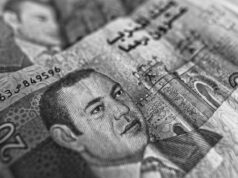
The relationship between Morocco and China has been strengthening over the past few decades. In 1972, the two countries established diplomatic relations, and since then, trade between them has grown exponentially. Today, China is one of Morocco’s largest trading partners, with a total trade volume of over $12 billion in 2019. This growth has been driven by a series of high-level visits between the two nations, including a visit by King Mohammed VI of Morocco to China in 2016, during which he and Chinese President Xi Jinping signed several agreements aimed at strengthening economic, cultural, and political ties.
One of the most significant agreements signed during that visit was a memorandum of understanding on the establishment of a China-Morocco free trade zone. This agreement, which was ratified in 2017, eliminates tariffs on 97% of traded goods between the two countries, making it easier for Moroccan companies to export their goods to China and vice versa. This agreement has already shown its potential, with Moroccan exports to China increasing by over 10% in the first quarter of 2020.
1. The Growing Relationship Between Morocco and China
The relationship between Morocco and China has been built on a foundation of mutual respect and trust. The two countries share a deep understanding of each other’s cultures and values, which has allowed them to establish strong ties. Morocco’s strategic location, with its proximity to Europe and Africa, makes it an ideal partner for China’s Belt and Road Initiative, which aims to promote economic development and connectivity across the globe.
The growing relationship between Morocco and China has also been driven by a shared commitment to global cooperation. The two countries have worked together on a range of international issues, from climate change to economic development. This cooperation has been built on a foundation of dialogue and mutual respect, which has allowed them to build a strong and lasting partnership.
2. The Textile Industry in Morocco
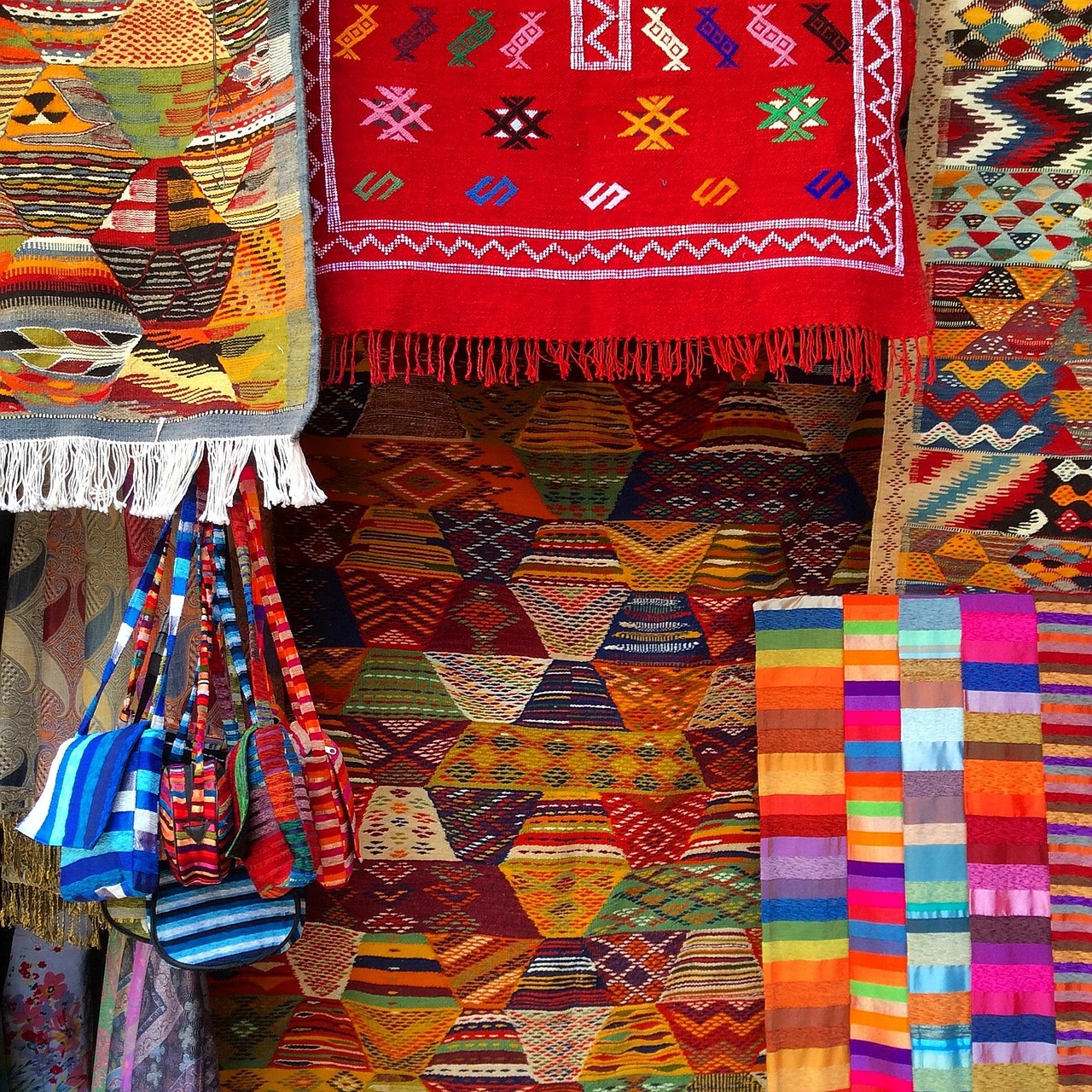
The textile industry in Morocco has a long and rich history, dating back to the Phoenicians and Romans. Today, it is one of the country’s leading sectors, employing over 250,000 people and contributing around 15% to Morocco’s total industrial output. Morocco’s textile industry benefits from a wide range of raw materials, including cotton, wool, and synthetic fibers, as well as a skilled and motivated workforce.
However, the textile industry in Morocco has faced numerous challenges in recent years. High production costs, a lack of investment, and stiff competition from other low-cost production hubs have made it difficult for Moroccan textile companies to compete on the global stage. This has led to a decline in the industry’s competitiveness and a decrease in its contribution to Morocco’s economy.
3. The Arrival of Chinese Investment
Chinese investors have started to take notice of Morocco’s textile industry and its potential for growth. In 2018, Chinese textile giant Shandong Ruyi Group announced plans to invest $2 billion in Morocco over the next five years, with a focus on the creation of a large-scale textile park in the city of Tangier. This investment is expected to create thousands of new jobs and significantly boost Morocco’s textile exports.
Other Chinese companies have also shown interest in investing in Morocco’s textile industry. In 2019, Chinese textile company Zhejiang Jinsheng Group announced plans to invest $100 million in a new textile park in the city of Khouribga. This investment is expected to create hundreds of new jobs and significantly boost Morocco’s textile exports.
4. The Impact on Morocco’s Economy
The arrival of Chinese investment in Morocco’s textile industry has the potential to have a profound impact on the country’s economy. The creation of new textile parks and the expansion of existing factories will create thousands of new jobs, many of which will be in skilled and high-paying positions. Additionally, the increased production capacity of Morocco’s textile industry will allow the country to significantly boost its textile exports. This will not only generate more revenue for the Moroccan government but will also help to reduce the country’s trade deficit.
Finally, the influx of Chinese investment will help to modernize Morocco’s textile industry. Chinese companies are known for their cutting-edge technology and innovative practices, and their investment in Morocco will help to bring these practices to the country, improving the efficiency and competitiveness of Morocco’s textile industry.
5. The Future of Morocco-China Relations
The growing relationship between Morocco and China shows no signs of slowing down. With the free trade agreement between the two countries in place and the potential for significant investment in Morocco’s textile industry, the future looks bright for this partnership. However, it is important for Morocco to ensure that it benefits equally from this relationship. The country must work to attract more investment, create a business-friendly environment, and ensure that its workers are well-trained and well-compensated.
The Maghrebi diaspora has a vital role to play in this process. By staying informed about developments in Morocco and China and advocating for strong, mutually beneficial relationships, the diaspora can help to ensure that Morocco realizes its full potential as a hub for Chinese textile investment.
Conclusion
The arrival of Chinese investment in Morocco’s textile industry represents a significant opportunity for the country. With the potential to create thousands of new jobs, boost Morocco’s textile exports, and modernize the industry, this investment has the potential to revolutionize Morocco’s economy. However, it is important for Morocco to ensure that it benefits equally from this relationship. By attracting more investment, creating a business-friendly environment, and ensuring that its workers are well-trained and well-compensated, Morocco can maximize the benefits of Chinese textile investment and secure a brighter, more prosperous future for its people.
We encourage the Maghrebi diaspora to stay informed about developments in Morocco and China and to advocate for strong, mutually beneficial relationships between the two nations. Together, we can help to ensure that Morocco realizes its full potential as a hub for Chinese textile investment and that the partnership between Morocco and China continues to grow and thrive.
You might also enjoy
Related Articles
- The Audace Initiative: Morocco’s Pivotal Role as a Hub for African Fashion
- Flying to the Middle East and North Africa with Miles: A Comprehensive Guide for the Maghrebi Diaspora
- A Family’s Journey: Traveling North Africa with Royal Air Maroc and Air France
- A Deep Dive into the Integration of Judeo-Amazigh Culture in North Africa
- Maximizing Travel to the Middle East and North Africa with Air Miles: A Guide for the Maghrebi Diaspora