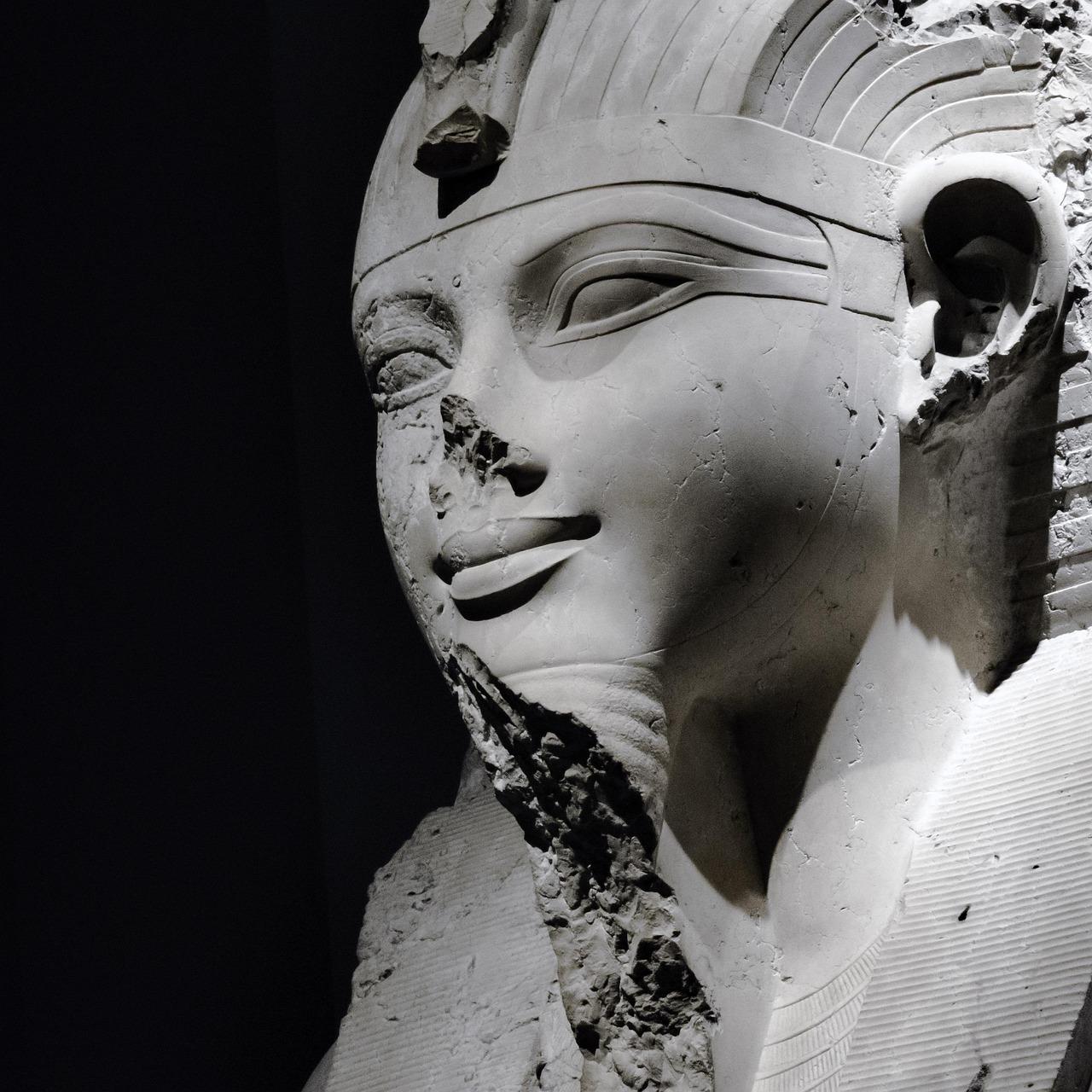
Exploring North Africa’s Ancient Civilizations: Phoenicians and Egyptians
Introduction
As we embark on this fascinating journey, we’re transported to a bygone era, where the ancient civilizations of North Africa left an indelible mark on the region. This captivating tale weaves together the threads of two remarkable cultures – the Phoenicians and the Egyptians – whose legacies continue to inspire and intrigue us today.
Their stories are intertwined, as both civilizations thrived in the Mediterranean basin and the Nile Valley, respectively, with their influence extending far beyond their borders, shaping the cultural, political, and economic landscapes of North Africa and the Mediterranean.
The Phoenicians: A Maritime Empire
Origins and Expansion
The Phoenicians emerged as a prominent sea-faring civilization around 1550 BC in the coastal region of modern-day Lebanon, where they harnessed their remarkable navigational skills to establish a network of colonies along the Mediterranean coast, including parts of North Africa.
Their city-state of Carthage, located in present-day Tunisia, became one of the most powerful city-states in the ancient world, with a thriving economy based on trade that reached as far as Spain and the British Isles.
Phoenician craftsmen were renowned for their skills in metalworking, glassmaking, and textiles, which were exported across the Mediterranean, while their most iconic contribution is the creation of the Phoenician alphabet, the precursor to many Western alphabets.
Culture and Religion
The Phoenician culture was deeply rooted in the worship of multiple deities, with the most important being Melqart, the god of the city of Tyre, whose worship was also shared by the Carthaginians, as evidenced by their famous Tophet sites, where child sacrifices were offered to the god Ba’al Hammon.
The Phoenicians were known for their advanced knowledge of astronomy and astrology, which played a significant role in shaping Greek and Roman beliefs, as well as their contributions to literature, such as the Epic of Gilgamesh, and their mythology, which has left an enduring impact on Mediterranean folklore.
Decline and Legacy
The decline of the Phoenician empire began with the First Punic War (264–241 BC) between Carthage and the Roman Republic, which led to the loss of much of its territory and power, despite initial successes.
However, the legacy of the Phoenicians lived on, as their language, culture, and technological innovations were absorbed by neighboring societies, and their maritime prowess contributed significantly to the expansion of the Roman Empire, with their alphabet providing the foundation for the Latin and Greek alphabets.
In modern times, Phoenician archaeological sites, such as Carthage and Tyre, serve as reminders of the once-great civilization that once thrived in North Africa, a testament to the enduring power of their cultural heritage.
The Egyptians: A River Civilization
Origins and Development
The Egyptian civilization emerged around 3100 BC along the Nile River, where the fertile river valley and the arid desert provided the ideal environment for agriculture and settlements, which gave rise to a complex social structure, with a powerful pharaoh at the helm, supported by an elaborate system of priests, scribes, and administrators.
The ancient Egyptians developed a profound appreciation for the arts, architecture, and engineering, as evidenced by their monumental pyramids, temples, and obelisks, as well as their intricate art and hieroglyphic writing system.
Culture and Religion
The Egyptian religion was centered around a pantheon of gods and goddesses, each associated with various aspects of life, nature, and the afterlife, with the most well-known deities including Ra, the sun god; Anubis, the jackal-headed god associated with mummification; and Isis, the goddess of motherhood and magic.
Egyptian mythology was deeply intertwined with their understanding of the afterlife, as evidenced by the elaborate burial practices and the construction of pyramids and tombs for pharaohs and nobles, which played a crucial role in the preservation of their cultural identity.
Decline and Legacy
The decline of the Egyptian civilization began in the Late Period (664–332 BC), marked by political instability, foreign invasions, and economic decline, which eventually led to the conquest of Egypt by Alexander the Great in 332 BC, ushering in the Ptolemaic dynasty.
Despite their decline, the Egyptians left an indelible impact on the world, as their achievements in art, architecture, and technology inspired countless subsequent civilizations, and their religious beliefs and practices continue to influence modern culture and spirituality.
Connecting the Past and Present
As descendants of these ancient civilizations, it is essential for us to appreciate the remarkable achievements of our ancestors and understand how their legacies have shaped our own culture and identity.
By exploring the Phoenicians and Egyptians, we can draw parallels between the past and present, recognizing the shared values and aspirations that unite us as part of the rich tapestry of North African history, a testament to the enduring power of cultural heritage.
You might also enjoy
Related Articles
- Exploring Hidden Gems: Museums in the Middle East and North Africa
- Exploring Amazigh Culture in Morocco: Challenges, Prospects, and a Call to Action
- Exploring the Future Prospects and Challenges of Amazigh Culture in Morocco: A Call to Action for the Maghrebi Diaspora
- A Celebration of North African Culture: Discovering Halal Dining Experiences in Hong Kong
- Celebrating Mawlid al-Nabi in the North African Diaspora: A Bond of Faith and Culture