Celebrating Eid al-Fitr with Moroccan Cookie Recipes: A Sweet Journey Through the Maghrebi Diaspora
Introduction
As the holy month of Ramadan comes to a close, our hearts are filled with joy and anticipation for Eid al-Fitr. This joyous occasion is a time for us to come together with loved ones, indulge in traditional delicacies, and celebrate the blessings of the past year. Today, let’s embark on a sweet journey through the Maghrebi diaspora as we explore Moroccan cookie recipes to elevate your Eid al-Fitr celebrations.
For many of us in the diaspora, maintaining our cultural heritage and traditions is of paramount importance. Food plays a significant role in this, as it not only nourishes our bodies but also feeds our souls, connecting us to our roots and reminding us of the warmth and love of home. The aromas wafting from the kitchen, the laughter and chatter around the table, and the love and care that goes into preparing each dish – these are the things that bring us closer to our heritage and to each other.
The Magic of Moroccan Cookies: A Cultural Overview
The History and Significance of Moroccan Cookies
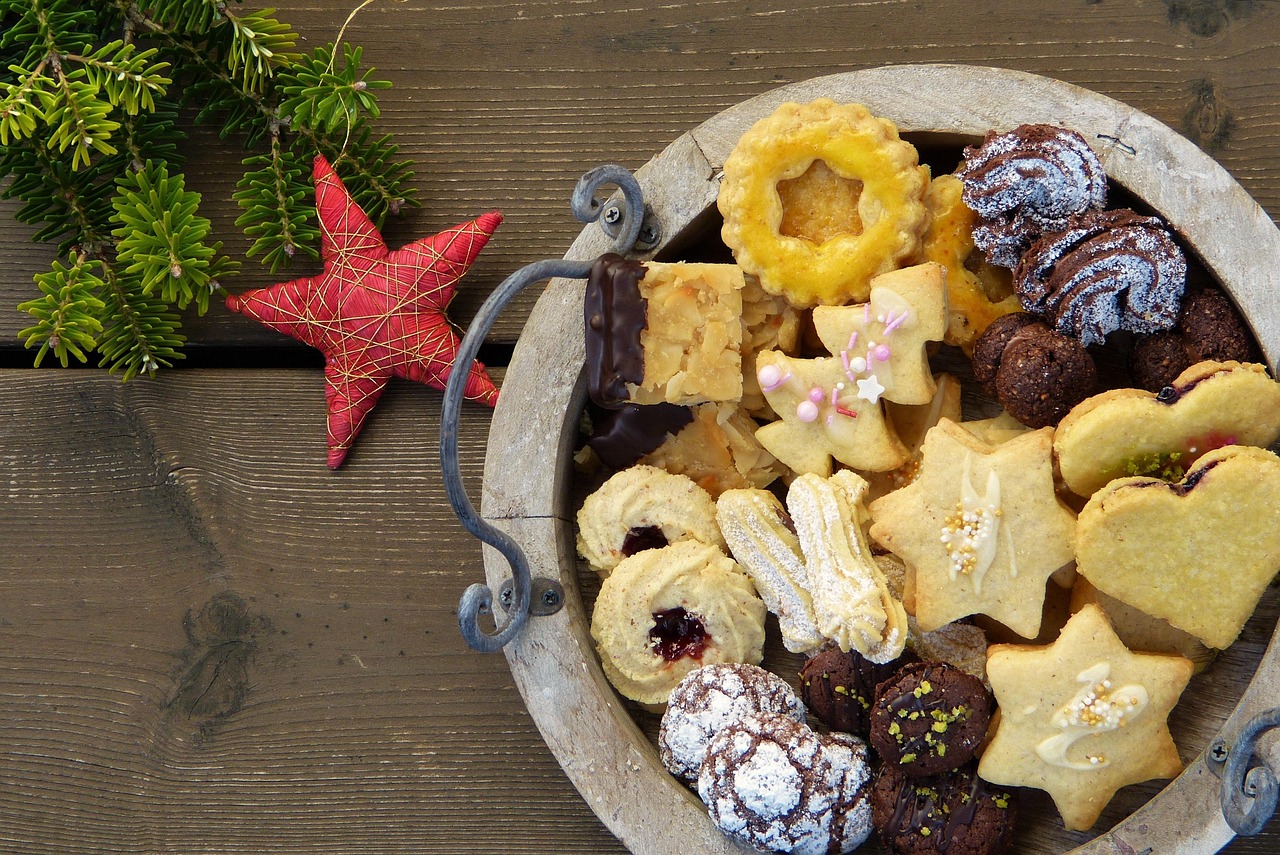
Moroccan cookies, known as ‘ghriba’ or ‘ghoriba’, have been a part of Moroccan culture for centuries. These delectable treats are traditionally made during the Eid al-Fitr celebrations and are offered as gifts to loved ones, symbolizing peace, unity, and prosperity. The art of making Moroccan cookies is a treasured tradition that has been passed down through generations, with each family having their own secret recipes and techniques.
The origins of these cookies date back to the ancient Berber tribes, who used them as a means of communication and to ensure the fertility of their land. Today, they continue to be a symbol of unity and goodwill, especially during Eid al-Fitr. Each region in Morocco has its unique take on ghriba, with different ingredients, shapes, and textures, reflecting the country’s rich cultural diversity.
The process of making Moroccan cookies is an art that requires skill, patience, and a touch of love. The dough is typically made with semolina, sugar, and butter, and is then shaped into various forms, such as circles, crescents, or flowers. The cookies are then baked to golden perfection, filling the air with the sweet aroma of freshly baked goods.
The Art of Making Moroccan Cookies
Making Moroccan cookies is a labor of love that requires attention to detail and a willingness to experiment. The process often involves grinding nuts, toasting semolina, and blending honey, sugar, and aromatic spices to create a delicate, fragrant dough. The cookies are then shaped into various forms, such as circles, crescents, or flowers, and baked to golden perfection.
The art of making Moroccan cookies is passed down through generations, with each family having their own secret recipes and techniques. The cookies are often flavored with nuts, seeds, or spices, adding unique flavors and textures to the dough. The art of making Moroccan cookies is a testament to the cook’s dedication and love for their culture, and is a beautiful way to connect with our roots and honor our ancestors.
Four Delicious Moroccan Cookie Recipes to Try
1. Ghoriba M’henni (Semolina Cookies with Almonds)
These crumbly, nutty cookies are a staple during Eid al-Fitr in Morocco. Made with semolina, almonds, sugar, and butter, these cookies are simple yet exquisite. The addition of orange blossom water gives the cookies a unique flavor and aroma, making them a perfect treat for your Eid al-Fitr celebration.
- Ingredients: Semolina, sugar, butter, almonds, baking powder, and orange blossom water.
- Instructions: Mix the dry ingredients, cream the butter and sugar, combine the two, shape the dough into small balls, and bake.
- Pro Tip: For an authentic touch, soak the almonds in rose water before grinding them.
2. Ghoriba Sfenj (Honey Cookies)
These fluffy, honey-soaked cookies are a sweet delight that is sure to be a hit at your Eid al-Fitr gathering. The combination of semolina, yeast, and honey creates a light and airy texture, while the addition of oil gives the cookies a rich and buttery flavor.
- Ingredients: Semolina, sugar, yeast, honey, and oil.
- Instructions: Mix the dry ingredients, proof the yeast, knead the dough, let it rise, fry the dough balls, and soak them in honey syrup.
- Pro Tip: For a richer flavor, use aromatic honey such as orange blossom or acacia honey.
3. Ghoriba Zalouk (Green Olive Cookies)
These savory cookies are a unique twist on traditional Moroccan cookies, offering a delightful balance of sweet and salty flavors. The addition of green olives and cinnamon gives the cookies a rich and earthy flavor, making them a perfect treat for your Eid al-Fitr celebration.
- Ingredients: Semolina, sugar, green olives, butter, and cinnamon.
- Instructions: Puree the olives, mix the dough, shape the cookies, and bake.
- Pro Tip: For a more robust flavor, use Moroccan preserved lemons in the cookie dough.
4. Ghoriba B’Harka (Sesame Cookies)
These crunchy, sesame-covered cookies are a crowd favorite and are perfect for satisfying your sweet tooth during Eid al-Fitr. The combination of semolina, sugar, and sesame seeds creates a crunchy and nutty texture, while the addition of butter gives the cookies a rich and buttery flavor.
- Ingredients: Semolina, sugar, sesame seeds, and butter.
- Instructions: Mix the dough, shape the cookies, roll them in sesame seeds, and bake.
- Pro Tip: For a nutty flavor, toast the sesame seeds before rolling the cookies.
Conclusion
As we prepare to celebrate Eid al-Fitr, let us not forget the importance of maintaining our cultural heritage and traditions. Cooking and sharing Moroccan cookies with loved ones is a beautiful way to connect with our roots and honor our ancestors. We hope these recipes inspire you to create memorable moments during this joyous occasion.
Share your Moroccan cookie creations with us using the hashtag #MaghrebiDiasporaCookies and let’s continue to celebrate and nourish our shared cultural identity.
You might also enjoy
Related Articles
- Celebrating Eid al-Fitr with Delicious Cookie Recipes: A Maghrebi Twist
- World Cup Watch Party in Lawrence: Celebrating Culture and Unity Among the Maghrebi Diaspora
- Celebrate Eid al-Fitr with Delicious Algerian, Tunisian and Moroccan Recipes
- Celebrating the Diaspora: The Rise and Impact of the Maghrebi Emigrants
- Eid al-Fitr Cookies: Celebrating Tradition with Chef’s Signature Recipes