Modest Fashion: Unveiling its Academic Significance for the Maghrebi Diaspora
Welcome to our exploration into the academic significance of modest fashion, a topic that resonates deeply with the Maghrebi diaspora. As we delve into this fascinating field, it’s essential to acknowledge the rich cultural heritage and social nuances that shape the way we perceive and practice modesty. This article aims to shed light on the historical, cultural, and academic dimensions of modest fashion, highlighting its relevance and importance within our community.
The Evolution of Modest Fashion: A Brief Overview
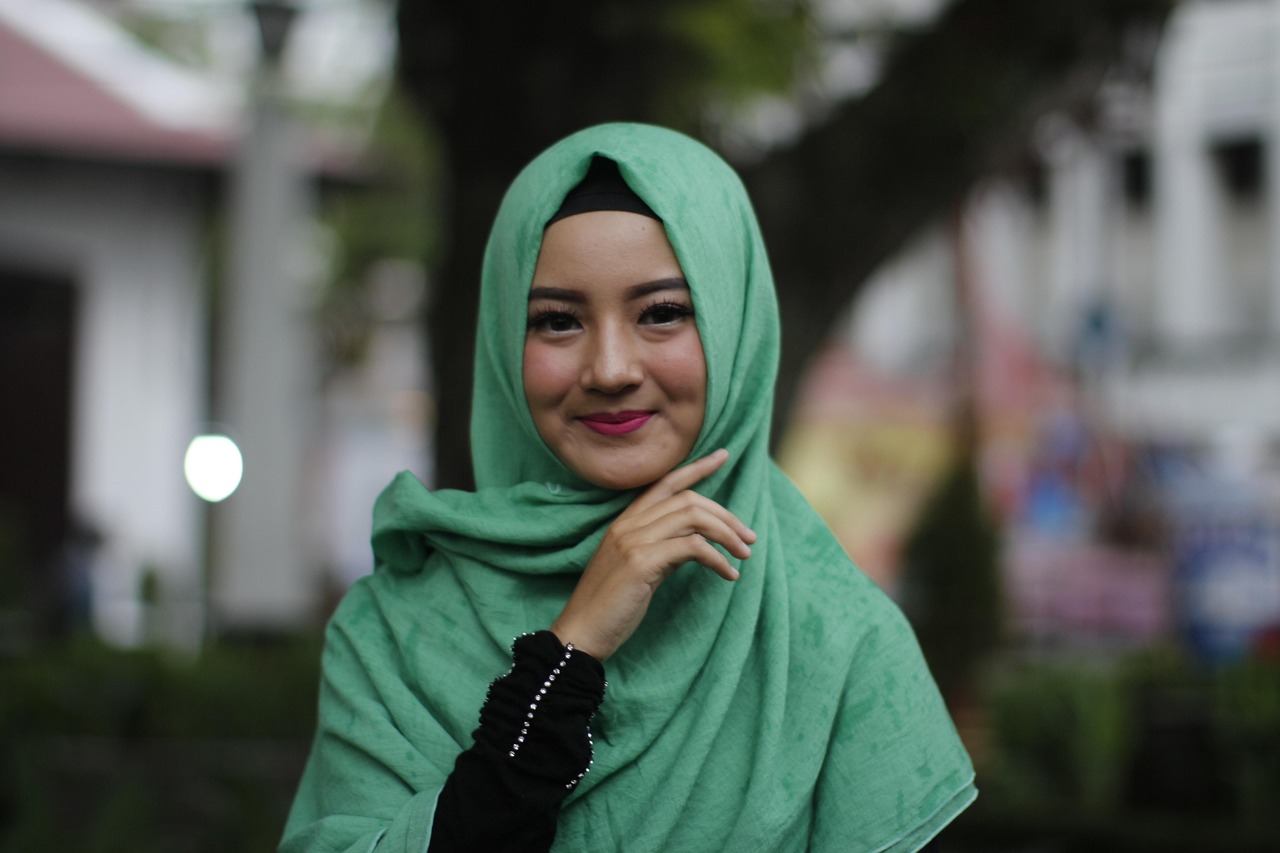
Modest fashion has a long history that predates modern-day trends. Rooted in religious and cultural values, this style of dressing has evolved over time to adapt to contemporary tastes and preferences. From the traditional jilbab and hijab worn by women in the Maghreb to the vibrant, global community of modest fashion enthusiasts we see today, it’s a testament to the resilience and creativity of our community.
One of the most striking aspects of modest fashion is its ability to transcend geographical boundaries. Whether you’re from Morocco, Algeria, Tunisia, or any other part of the Maghreb, modest fashion has become a unifying force that brings people together across cultures and continents.
As we explore the evolution of modest fashion, it’s essential to acknowledge the role of social media in popularizing this style. Platforms like Instagram and YouTube have given voice to modest fashion influencers, designers, and bloggers who share their experiences, showcase their styles, and promote body positivity, self-acceptance, and confidence.
The Academic Landscape: Researching Modest Fashion
Academia has taken notice of modest fashion’s significance, with scholars from various disciplines delving into its cultural, social, economic, and political dimensions. From sociology to anthropology, fashion studies to religious studies, researchers are shedding light on the complexities of modest fashion and its implications for our community.
One area of focus is the intersection of culture and religion in shaping modest fashion practices. Scholars have explored how faith informs dress choices, as well as the tensions that can arise between personal beliefs and societal expectations.
- A Study of Modest Fashion Consumption: Exploring the Role of Religious Identity, Social Context and Gender
- A Review of Scholarship on Modest Fashion
- Modest fashion and the construction of Muslim femininity: A social and cultural analysis
The Economic Significance of Modest Fashion
The modest fashion market is projected to grow significantly in the coming years, with estimates suggesting that it could be worth over $300 billion by 2021. This growth presents both opportunities and challenges for the Maghrebi diaspora. On one hand, it offers potential economic benefits through job creation, entrepreneurship, and investment opportunities.
On the other hand, it raises questions about the sustainability of this market, the ethical standards of production, and the representation of diverse Muslim communities within the industry. As we navigate these complexities, it’s essential to prioritize transparency, accountability, and inclusivity in our pursuit of economic growth.
Empowerment through Modest Fashion
Modest fashion can serve as an empowering tool for Maghrebi women, allowing them to express their identity and beliefs while also challenging stereotypes and misconceptions about Islam and Muslim women. By embracing modest fashion, women can assert their agency, challenge societal norms, and redefine the boundaries of female modesty in contemporary society.
However, it’s essential to acknowledge that the experience of wearing modest clothing can vary greatly among individuals, and it’s crucial to respect these differences within our community. By creating a space for open dialogue, mutual understanding, and empathy, we can work towards building a more inclusive and compassionate society.
Call to Action: Engaging with Modest Fashion
The academic significance of modest fashion offers numerous opportunities for the Maghrebi diaspora to engage with this topic on various levels. Whether through personal exploration, supporting local designers, or contributing to scholarly discourse, there are numerous ways to participate in this growing movement.
We invite you to join us in our journey of discovering the depth and richness of modest fashion, and to help shape a more inclusive and authentic representation of this vibrant cultural expression within the wider world. Together, let’s explore the complexities of modest fashion and its potential to empower, inspire, and unite us.
You might also enjoy
Related Articles
- Unraveling the Rise of Modest Fashion in Western Academia: A New Era for the Maghrebi Diaspora
- Embracing Modesty: Exploring Modern Muslim Fashion Trends in Western Academia for Maghrebi Diaspora
- Embracing Modest Fashion: Maghrebi Designers Shine in Western Academia
- Eid Fashion for Women and Children: Modest Style and Trends – A Guide for Maghrebi Diaspora Readers
- Empowering Modest Fashion: Celebrating Successful Maghrebi Designers