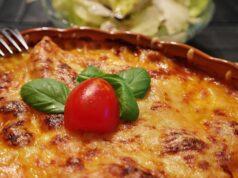
Couscous may be humble in its origins, but it transcends borders with a harmonious blend of flavors and traditions that unite the people of Algeria, Tunisia, and Morocco. Prepare to embark on a gastronomic journey through the heart of the Maghreb, as we celebrate this beloved dish across three cultures. From family gatherings to weddings and Eid celebrations, couscous is at the center of it all – a true expression of warmth and hospitality that welcomes guests into the home.
History
The Berber people can trace couscous back over a thousand years, with each region having its own unique take on this beloved dish. In Morocco, couscous is typically made with seven vegetables and lamb, while in Algeria, it’s often spicy and rich with merguez sausages. In Tunisia, fish is frequently featured, particularly along the coast where capers add a burst of flavor. Whether served at a family gathering or a grand celebration, couscous remains a symbol of warmth, love, and community that brings people together.
Ingredients (serves 6)
Moroccan:
- 500 g medium-grain couscous
- 800 g bone-in lamb shoulder
- 3 medium carrots, peeled and chopped
- 3 medium courgettes, chopped
- 2 medium turnips, peeled and chopped
- 400 g canned chickpeas
- 2 large tomatoes, diced
- 1 large onion, chopped
- 4 tbsp olive oil
- 2 tsp ras el hanout
- 1 tsp ground coriander
- 1 tsp ground cumin
- ½ tsp ground cinnamon
- Salt and black pepper to taste
- Fresh coriander, a large handful, chopped
Algerian:
- 500 g medium-grain couscous
- 8 merguez sausages
- 3 medium carrots, peeled and chopped
- 3 medium courgettes, chopped
- 2 medium turnips, peeled and chopped
- 400 g canned chickpeas
- 2 large tomatoes, diced
- 1 large onion, chopped
- 6 tbsp olive oil
- 2 tsp harissa paste
- 1 tsp ras el hanout
- 1 tsp ground cumin
- Salt and black pepper to taste
- Fresh coriander, a large handful, chopped
Tunisian:
- 500 g medium-grain couscous
- 8 fillets of white fish (e.g., sea bass or hake)
- 3 medium carrots, peeled and chopped
- 3 medium courgettes, chopped
- 2 medium turnips, peeled and chopped
- 400 g canned chickpeas
- 2 large tomatoes, diced
- 1 large onion, chopped
- 4 tbsp olive oil
- 2 tsp ras el hanout
- 1 tsp ground cumin
- Salt and black pepper to taste
- Fresh coriander, a large handful, chopped
Numbered Steps
Preparation time: 35 minutes | Cooking time: 1 hour | Difficulty: Medium
- Brown the lamb or fish in olive oil over medium-high heat until caramelized. Season and set aside.
- Fry onion, carrots, and turnips in the same pan for 5 minutes. Add spices and harissa (if using). Return meat to pot with 1.2 liters of water, salt, pepper, and a bay leaf (if desired).
- Bring the broth to a boil, then reduce to a simmer. Cook for 40 minutes (Moroccan and Tunisian) or until fish is cooked through (Tunisian).
- Add courgettes and chickpeas, cooking for an additional 10 minutes.
- Meanwhile, prepare the couscous according to package instructions. Fluff with a fork and steam over the broth for 5-10 minutes.
Tips
The difference between good couscous and great couscous usually comes down to a few small details that experienced cooks know by instinct.
- Never stir couscous while it steams – lift and fluff gently with a fork only after removing from heat
- If grains are clumping, add a tiny drizzle of olive oil and work it in with your fingertips
- The broth should be fragrant and slightly reduced – if it tastes thin, simmer uncovered 10 minutes before serving
- For Ramadan: make a double batch of broth – it reheats beautifully and improves overnight
- Leftovers keep 3 days in the fridge; store couscous and broth separately
Variations
Algerian couscous often adds merguez sausages and uses more harissa in the broth for a spicier profile. In Tunisia, couscous is frequently made with fish and capers on the coast.
Serving and Presentation
Serve the couscous mounded in a large communal dish with the vegetables arranged on top and the lamb or fish nestled in the center. Ladle the broth into a separate bowl for guests to pour over as they like. Scatter fresh coriander over the top. Harissa on the side is non-negotiable.
Conclusion
Couscous is a testament to shared traditions and unity across the Maghreb. Gather your loved ones around this table, steeped in warmth and flavor, and celebrate your roots together.
You might also enjoy
Related Articles
- Reviving Traditional Flavors: Vijaya Selvaraju’s Green Goddess Asparagus Couscous Salad – Inspiration for Our Maghrebi Community
- Celebrating Eid al-Fitr: A Feast of Maghrebi Traditions – 33 Delicious Recipes for Breaking the Fast
- The Impactful Role of the Diaspora in Reshaping Modern Maghrebi Art and Culture
- Morocco’s Cultural Week in Athens: A Celebration of Unity and Heritage among the Maghrebi Diaspora
- Exploring the Future and Challenges of Amazigh Culture in Morocco: A Call for Engagement from the Maghrebi Diaspora