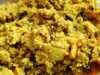
A Taste of Home: Adapting Maghrebi Comfort Food in the U.S.
As we navigate the ups and downs of life in a new country, it’s easy to feel disconnected from our cultural roots. But what if I told you that preserving those roots doesn’t have to mean sacrificing your love for good food? In fact, adapting Maghrebi comfort food in the U.S. can be an incredible journey of discovery, creativity, and community-building. So grab a cup of mint tea and let’s dive into the world of adapted Maghrebi cuisine!
1. Understanding the Ingredients: A Journey of Discovery
The foundation of any great dish is its ingredients, and Maghrebi cuisine is no exception. From the fiery heat of harissa to the aromatic warmth of Ras el Hanout, these flavors are what make our dishes truly special. But when you’re starting from scratch in a new country, it can be overwhelming to find the right products.
Start by seeking out specialty stores or online retailers that cater to international markets. You might be surprised at the array of options available – from traditional spice blends to artisanal preserved lemons. And don’t be afraid to experiment and make your own staples, like homemade harissa. Not only will you save money, but you’ll also get to customize the flavors to your liking.
Take the time to appreciate the little things, too – the way a perfectly toasted baguette can elevate a humble plate of b’stilla, or how a sprinkle of sumac can add depth to a simple salad. These small details are what make Maghrebi cuisine so rich and rewarding.
2. Embracing Substitutions: The Art of Adaptation
Sometimes, finding the perfect ingredient is just not possible – especially when you’re living in a new country with limited access to specialty stores. That’s where substitutions come in. Now, I’m not saying it’s always easy to find the right replacement – but that’s half the fun!
Take preserved lemons, for example. If fresh ones are out of reach, try using dried lemon peel instead. It might not be the same, but it can still add a nice tanginess to your dish. Or, if you’re struggling to find authentic Maghrebi spices, experiment with similar flavors from other cuisines – like Indian or Middle Eastern.
Remember, adaptation is key in cooking – and that includes being open-minded about new ingredients and techniques. By embracing the unknown, you’ll discover a world of creative possibilities waiting to be explored.
3. Adapting Recipes for Local Ingredients: A Delicious Evolution
When adapting Maghrebi recipes for local ingredients, it’s all about finding new ways to create those familiar flavors. For instance, you might use ground turkey or chicken instead of lamb or beef in traditional tagines – and find that the dish is just as rich and flavorful.
Don’t be afraid to adjust portion sizes, either. American portions can be quite different from what we’re used to back home, so take the time to get a feel for what works best. You might be surprised at how well those familiar flavors translate to new ingredients – and how much fun you have experimenting with new recipes.
4. Sharing the Love: Spreading the Word About Maghrebi Cuisine
No matter where life takes us, there’s something special about sharing our love for food with others. Whether it’s hosting a dinner party, leading a cooking demonstration, or simply inviting friends over for a plate of b’stilla, there are countless ways to share the joy of Maghrebi cuisine.
By sharing our culinary heritage, we not only get to connect with fellow Maghrebis living abroad but also help spread the word about this incredible culture. And who knows – you might just inspire someone else to start exploring their own cultural roots!
5. Preserving Tradition While Embracing Change: The Art of Balancing Heritage and Innovation
Adapting Maghrebi comfort food in the U.S. is all about finding that delicate balance between preserving our cultural heritage and embracing change. By understanding ingredients, making substitutions, adapting recipes for local ingredients, sharing our love for Maghrebi cuisine, and preserving tradition – we can ensure that our culinary roots remain strong, even as we navigate new surroundings.
Join the Journey!
We’d love to hear from you! Share your stories, recipes, and experiences with us, and let’s continue celebrating our rich cultural heritage together. Whether you’re a seasoned chef or just starting to explore Maghrebi cuisine, there’s always room for more deliciousness and connection in this community.
You might also enjoy
Related Articles
- Exploring the Rise of Arab Comfort Food in the US: A Taste of Home
- A Taste of Home: The Rise of North African Comfort Food in US Restaurants
- A Journey Through Traditional Algerian Cuisine: A Guide for Maghrebi Recipes
- A Taste of Home: The Rise and Popularity of Arab Comfort Food in the U.S.
- Celebrating Ramadan with Contemporary Maghrebi Comfort Food Recipes for a Delicious Iftar