Flying to North Africa: Tips, Advisories, and Best Travel Options for the Maghrebi Diaspora
Introduction
Welcome back, dear Maghrebi diaspora! Reconnecting with your roots in North Africa can be a deeply personal journey, and we’re here to help make the travel part as smooth as possible. This article is packed with valuable insights to ensure you have a seamless experience flying to North Africa. Whether you’re planning a trip to visit family, explore your heritage, or immerse yourself in the rich culture and history of this incredible region, we’ve got you covered.
With so much to see and do, it’s essential to plan ahead and stay informed about travel requirements, advisories, and best practices. In this comprehensive guide, we’ll delve into the nitty-gritty details of flying to North Africa, from navigating travel documents to preparing for in-flight comfort.
1. Familiarize Yourself with Travel Documents
Passport Requirements
Your passport is your golden ticket to travel, and it’s crucial you ensure it remains valid for at least six months beyond your planned departure date from North Africa. Some countries may deny entry if your passport is close to expiring, so make sure you check the expiration date well in advance.
It’s also essential to verify the visa requirements for your destination country before booking your flight. As a Maghrebi citizen, you may not require a visa for short stays, but it’s always better to be safe than sorry and check ahead of time.
Visa Requirements
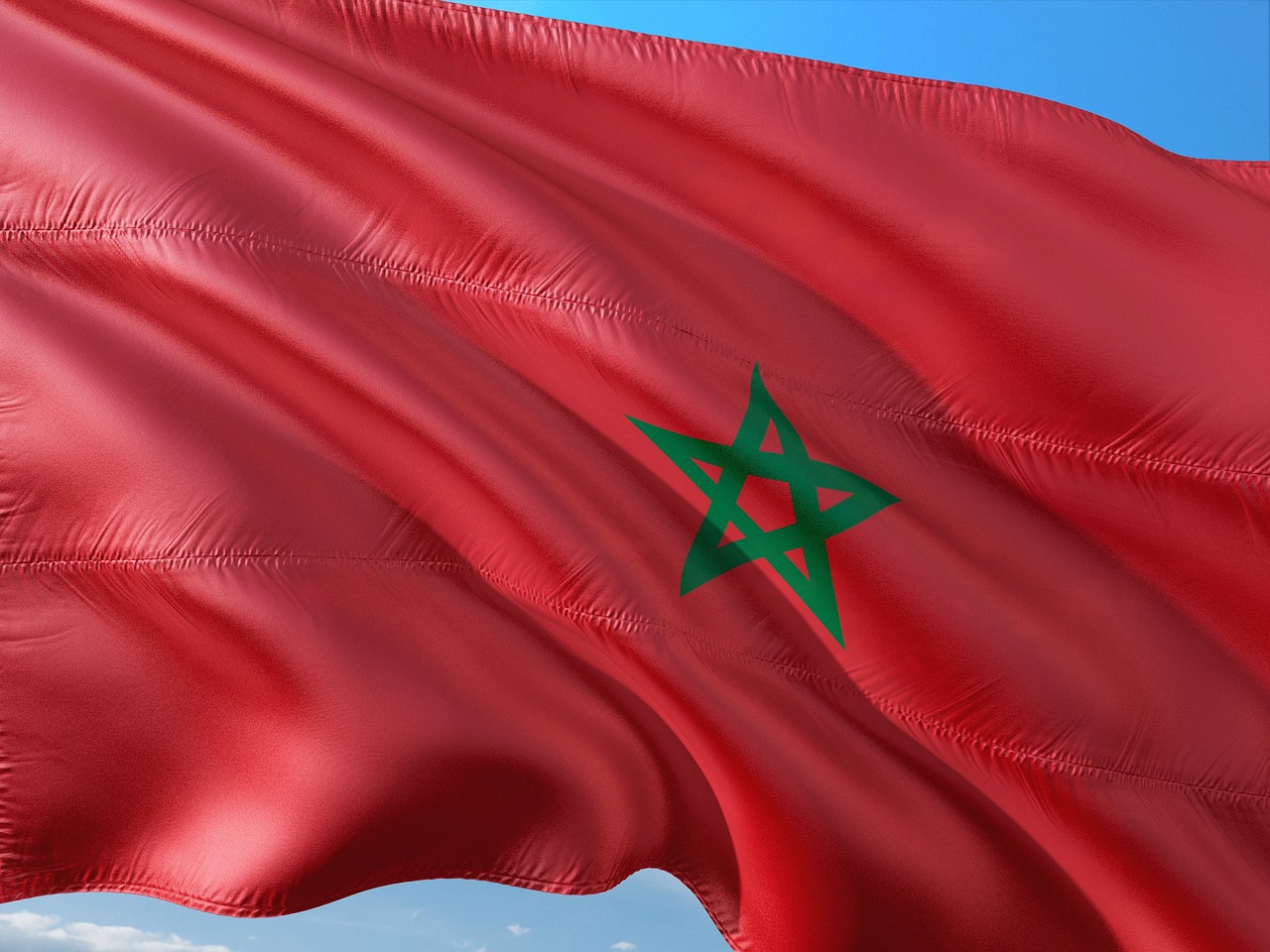
While many North African countries offer visa-free entry for Maghrebi citizens, there are some exceptions. Morocco, Tunisia, Algeria, and Libya all have specific visa requirements, so be sure to research the regulations for your destination country.
If you do require a visa, make sure you apply in plenty of time to avoid any last-minute stress. Some visas can take several weeks or even months to process, so don’t leave it until the last minute.
Health Documents
Some North African countries may require proof of vaccination against certain diseases, such as yellow fever. It’s crucial you familiarize yourself with these requirements and obtain the necessary certificates if needed.
If you’re traveling to a region prone to specific health risks, make sure you take the necessary precautions to protect yourself. Consult your doctor or a travel clinic for personalized advice on vaccinations and medication.
2. Plan Your Flight Accordingly
Direct Flights vs. Stopovers
When it comes to flying to North Africa, direct flights are often the way to go. Not only do they save you time and energy, but they can also reduce your risk of flight delays or cancellations.
However, if you’re looking for a more affordable option, consider booking a stopover flight. This can be a great way to break up long-haul travel and explore another destination along the way.
Flight Deals and Comparison Websites
With so many airlines offering flights to North Africa, it’s essential to shop around for the best deals. Set up price alerts for your desired routes to be notified when prices drop, and consider using comparison websites to find the cheapest flights.
If you’re flexible with your travel dates, consider flying during off-peak seasons or on less popular days of the week (like Tuesdays or Wednesdays). This can often result in lower fares and fewer crowds at airports.
Choose a Reliable Airline
When it comes to choosing an airline, reputation is key. Research airlines with a good track record for comfort, service, and on-time performance before booking your ticket.
Airline loyalty programs can also be a great way to earn rewards and upgrade your travel experience. Consider joining an airline’s loyalty program if you fly with them frequently.
3. Prepare for Travel Advisories
Check Travel Advisories Before Departure
Stay informed about travel advisories issued by your country and the destination country’s government before your trip. This information can help you make informed decisions about travel and stay safe.
Register with your country’s embassy in the destination country to receive updates about travel advisories, emergencies, and assistance if needed. This is especially important if you have a medical condition or require special assistance during travel.
Monitor Political Situations and Health Risks
Keep an eye on political developments and health risks in North Africa to ensure a safe and enjoyable trip. Stay informed about local conditions, and be prepared for any unexpected events that may arise.
If you’re planning to visit areas with high crime rates or political unrest, consider taking extra precautions such as hiring a reputable tour guide or using secure transportation services.
4. Understand Baggage Restrictions
Check-In Luggage Allowance
Familiarize yourself with your airline’s check-in luggage allowance and fees for excess weight or oversized bags. This can help you avoid any surprise charges at the airport.
Make sure you also understand the rules surrounding checked baggage, including restrictions on items like lithium batteries, sharp objects, and liquids.
Carry-On Luggage Restrictions
Know the size and weight restrictions for carry-on luggage, as well as prohibited items such as sharp objects and liquids in excess of specific volumes.
If you’re planning to bring medication or medical equipment, make sure you check with your airline ahead of time to ensure these items are allowed in both checked and carry-on baggage.
Medication and Medical Equipment
If you require medication or medical equipment during travel, familiarize yourself with the customs regulations regarding these items at your destination country.
Be sure to pack all necessary documents and prescriptions in a safe and easily accessible place, such as your carry-on luggage.
5. Prepare for In-Flight Comfort
Dress Comfortably
Wear comfortable clothing and shoes during travel to make long flights more bearable. Avoid tight or restrictive clothing that may cause discomfort during the flight.
Pack a change of clothes in your carry-on luggage, just in case you need to refresh during the journey.
Bring Essential Items
Pack essential items such as a water bottle, snacks, headphones, and a neck pillow for in-flight comfort. Don’t forget to bring any necessary medication or equipment.
If you have specific dietary needs or preferences, consider packing your own food to ensure you have access to suitable options during the flight.
Consider Travel Insurance
Consider purchasing travel insurance to protect yourself against unexpected events like flight delays, lost luggage, or medical emergencies during your trip.
Travel insurance can provide peace of mind and financial protection in case things don’t go according to plan. Be sure to research different policies and coverage options before making a decision.
Conclusion
We hope this guide has been helpful in preparing for your journey back to North Africa. With so much to see and do, it’s essential to stay informed and take the necessary precautions to ensure a safe and enjoyable trip.
Remember to always prioritize your safety and well-being during travel, and don’t hesitate to reach out if you have any questions or concerns. Safe travels, and we can’t wait to hear about your experiences!
You might also enjoy
Related Articles
- Empowering the Amazigh Minorities in North Africa: A Guide for the Maghrebi Diaspora
- Travel Advisory for a Safe and Enriching Trip Within the MENA Region: A Comprehensive Guide for Maghrebi Diaspora
- Planning Your First Trip to Africa: A Comprehensive Guide for Maghrebi Diaspora
- Rediscovering the Rich History of Ancient North Africa: A Journey Through Time for Maghrebi Diaspora
- Rejuvenating Cultural Connections: A Renewed Travel Appeal in North Africa through Egypt and Tunisia