Breast Cancer Awareness for Arab Women: Screening and Prevention Methods
Welcome to our blog post dedicated to raising awareness about breast cancer among the Maghrebi diaspora. This article aims to provide valuable information on screening and prevention methods, as well as resources for support and education. It’s essential to prioritize breast health, especially in light of the fact that Arab women are disproportionately affected by this disease.
Breast cancer is a significant health concern worldwide, and unfortunately, Arab women are not exempt from this reality. However, awareness and early detection can make all the difference in successful treatment and recovery. In fact, studies have shown that when breast cancer is detected at an early stage, the chances of successful treatment are significantly higher.
Understanding Breast Cancer
Breast cancer is a type of cancer that develops from tissue growth within the breast. It can occur in both men and women, but it’s most common among women. Early detection plays a crucial role in increasing the chances of successful treatment. In fact, research has shown that for every year that breast cancer goes undetected, the five-year survival rate decreases by 2.5%.
Risk factors for breast cancer include age, genetics (family history), reproductive history, and lifestyle choices such as lack of physical activity or excessive alcohol consumption. For example, women who have a family history of breast cancer are at a higher risk, as are those who have never had children or have had their first child at an older age.
Symptoms may include a lump in the breast, changes in the size or shape of the breast, nipple discharge, and skin changes or dimpling. However, it’s essential to note that not all lumps are cancerous, and regular screenings can help identify those that require further evaluation. In fact, self-examinations can be particularly effective in detecting breast cancer at an early stage.
Screening for Breast Cancer
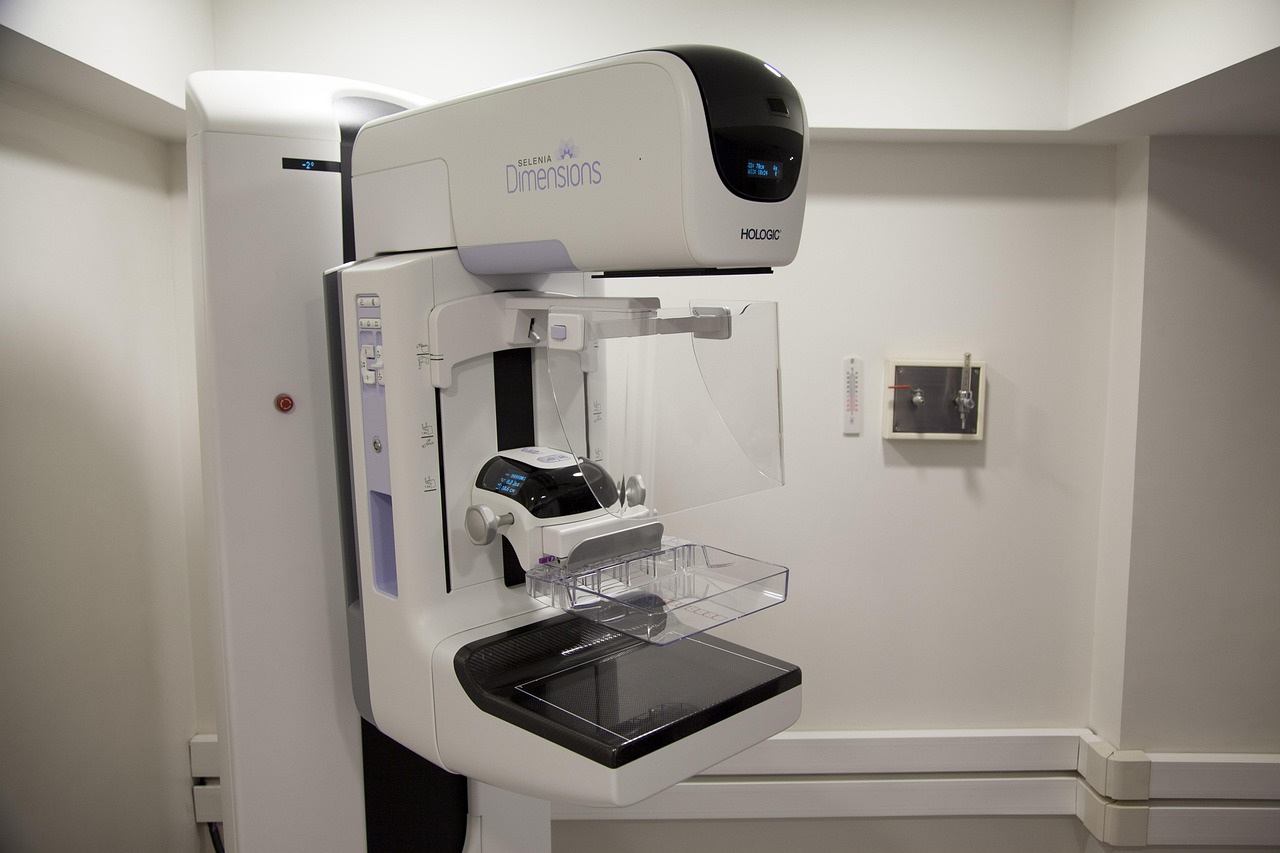
Early detection through screening is key in the fight against breast cancer. Regular mammograms, clinical breast exams, and self-examinations are essential components of breast cancer screening. In fact, studies have shown that regular mammograms can reduce the risk of death from breast cancer by up to 50%.
Mammograms use X-rays to create images of the breast tissue, helping detect abnormalities that may be too small to feel or notice during a physical examination. Clinical breast exams involve a healthcare provider physically examining the breasts for lumps or other signs of breast cancer. Additionally, self-examinations can help women become familiar with their bodies, making it easier to detect any changes that may occur over time.
It’s essential to note that screening guidelines vary depending on age and risk factors. Women between 50-74 years old should receive a mammogram every two years, while those under 50 or at high risk should discuss their individualized screening plan with their healthcare provider.
Prevention Methods
While breast cancer cannot be entirely prevented, there are steps women can take to reduce their risk. Maintaining a healthy lifestyle is crucial in this regard. Regular exercise, maintaining a balanced diet, limiting alcohol consumption, and avoiding tobacco products all contribute to reducing the risk of developing breast cancer.
Additionally, hormonal birth control and hormone replacement therapy have been linked to an increased risk of breast cancer. It’s essential to discuss these risks with a healthcare provider before making any decisions regarding contraception or hormone therapy. For example, women who take combination hormone replacement therapy for more than 10 years are at a higher risk.
Available Resources
Several organizations offer resources and support for Arab women dealing with breast cancer. These include the National Breast Cancer Foundation, the Susan G. Komen Foundation, and Breast Cancer Care. It’s essential to note that these organizations provide a wealth of information, including education, support services, and research funding.
- National Breast Cancer Foundation: Provides education, support services, and research funding for breast cancer patients and survivors. They offer a range of resources, including online support groups and educational materials.
- Susan G. Komen Foundation: Offers research funding, education, screening, and treatment programs for breast cancer patients. They also provide emotional support through their 1-800-IM-BREAST hotline.
- Breast Cancer Care: Provides emotional support, practical information, and campaigning on behalf of those affected by breast cancer in the UK. They offer a range of resources, including online forums and educational materials.
Call to Action
We encourage all Maghrebi women to prioritize their health by staying informed about breast cancer risk factors, screening methods, and available resources. Regular check-ups and self-examinations are essential steps in the fight against breast cancer. Remember, early detection can save lives.
It’s essential for Arab women to take an active role in their breast health and not be afraid to seek medical attention if they notice any changes or symptoms. By staying informed and taking proactive steps, we can work together to reduce the burden of breast cancer in our community.
You might also enjoy
Related Articles
- Planning Your First Trip to Africa: A Comprehensive Guide for Maghrebi Diaspora
- Exploring Three Contemporary Muslim Women’s Fashion Styles: A Fresh Inspiration for the Maghrebi Diaspora
- Travel Advisory for a Safe and Enriching Trip Within the MENA Region: A Comprehensive Guide for Maghrebi Diaspora
- Tracing the Evolution of Diaspora Impact on Maghreb Culture and Arts
- Preserved Lemons: A Comprehensive Guide for the Maghrebi Diaspora