Here is the improved HTML article:
Uniting the Maghreb: A Couscous Feast Recipe
Couscous is more than just a dish – it’s a symbol of unity, resilience, and cultural pride. This couscous recipe brings together traditional techniques from Algeria, Morocco, and Tunisia, showcasing the shared heritage that binds these nations despite their differences. As you gather with friends and family to enjoy this meal, let the flavors of home transport you across the Mediterranean.
Introduction
In a world divided by borders, couscous transcends geographical boundaries. Each Maghrebi country has its own take on this staple – Algeria’s spicy broth, Morocco’s aromatic seven vegetables, and Tunisia’s coastal seafood variations. But at the heart of it all lies a shared history that unites these divided countries. As we sit down to share this meal together, let us celebrate our differences while honoring the common thread that runs through our cultures.
History
Couscous has been a part of North African culture for over a thousand years, with origins traced back to the Berber people. Its popularity grew under Arab rule and became an essential dish in Maghrebi homes, kitchens, and celebrations. This shared culinary heritage is one of the few things that remains constant amidst political upheaval, serving as a reminder that beneath it all, we are all connected.
Ingredients (serves 6)
- 400g medium-grain couscous – not instant couscous if you can help it; the real deal makes all the difference in this dish!
- 1.2kg bone-in lamb shoulder – cut into large chunks by your butcher or at home, making sure to get those nice, tender bites of meat.
- 3 medium carrots – peeled and halved, adding a pop of color to the dish.
- 3 medium courgettes – halved lengthways, providing a delightful contrast in texture.
- 2 medium turnips – peeled and quartered, their sweetness balancing out the savory flavors.
- 400g canned chickpeas – drained and rinsed, adding protein and creaminess to the dish.
- 2 large tomatoes – quartered, providing a burst of juicy flavor in each bite.
- 1 large onion – finely chopped, caramelizing beautifully as it cooks.
- 8 cloves garlic – minced, adding that pungent aroma and flavor we all know and love.
- 4 tbsp olive oil – the lifeblood of North African cuisine, used liberally throughout this recipe.
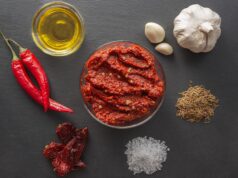
- 2 tbsp ras el hanout (Algerian spice mix) – a blend of warm spices that adds depth and complexity to the dish.
- 1 tbsp ground coriander – adding a subtle citrus note to the stew.
- 1 tbsp ground cumin – providing earthy warmth and balance to the flavors.
- 1 tsp ground ginger – adding that spicy kick we all crave in a good couscous.
- ½ tsp ground cinnamon – a touch of sweetness to round out the dish.
- Salt and black pepper to taste – because, let’s be honest, everyone likes a little salt and pepper in their life!
- Fresh coriander – a large handful, chopped; the perfect garnish for this stunning dish.
- 100g harissa paste (Tunisian red chili paste) – adding that signature North African heat to the stew.
- 250ml couscous broth (see recipe below) – the foundation of this delicious meal, made with love and care.
- 1 fresh fish fillet (optional — for Tunisian variation) – adding a touch of seafood magic to the dish, if you so desire.
Couscous Broth
4 litres of water
2 large onions
6 cloves garlic
1 tsp salt
½ tsp black pepper
1 tbsp ras el hanout (Algerian spice mix)
Step-by-Step Instructions
Prep time: 30 minutes | Cook time: 2 hours | Difficulty: Medium – don’t worry, it’s worth the effort!
- Brown the lamb: heat olive oil in a large heavy pot over medium-high heat. Add the lamb pieces and brown on all sides, about 8 minutes total. Don’t rush this step – the caramelization creates the deep flavor base of the entire dish.
- Build the broth: add chopped onions and minced garlic to the pot with the browned lamb. Cook until softened, about 5 minutes. Stir in ras el hanout, coriander, cumin, ginger, salt, and pepper. Add couscous broth and bring to a boil.
- Simmer the stew: reduce heat to low, cover, and simmer for 1 hour. After 1 hour, add lamb shoulder and continue to cook until tender, about another 30 minutes.
- Prepare the vegetables: in a separate pot, steam carrots, courgettes, turnips, and chickpeas over boiling water until just tender, about 8-10 minutes. Add tomatoes for the final 2 minutes of cooking.
- Prepare the Tunisian variation (optional): if using a fish fillet, steam it in a separate pot with lemon and olive oil until cooked through, about 5 minutes.
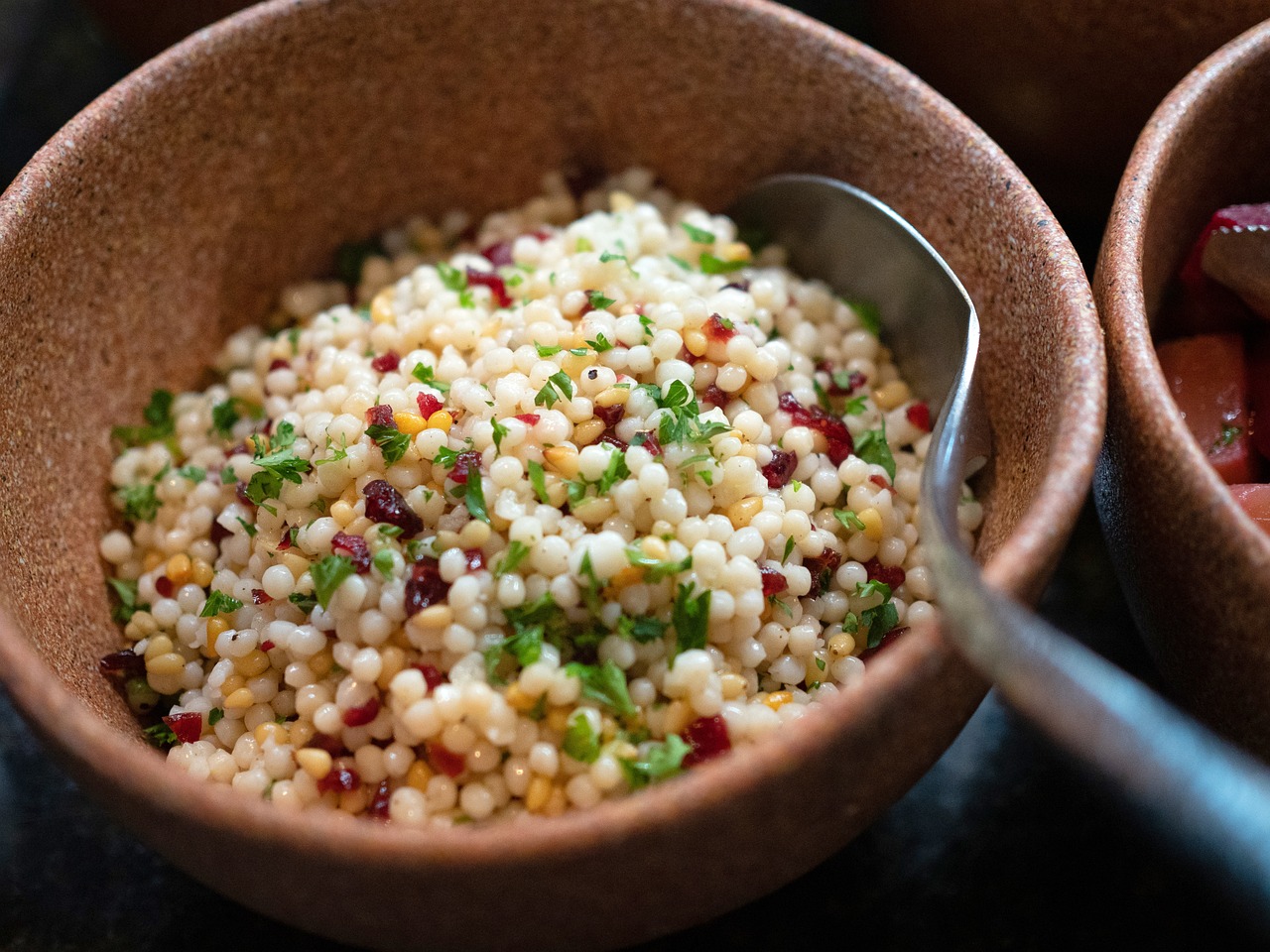
- Cook the couscous: place couscous in a large bowl, drizzle with 2 tbsp olive oil, and rub between your palms to coat each grain. Add 300ml of warm salted water, stir, and leave to absorb 5 minutes. Rake with a fork to separate grains.
- Steam the couscous: place couscous in a couscoussier or a fine-mesh colander over the simmering lamb broth and steam for 20 minutes. Remove, break up any clumps with a fork, add a knob of butter, and return to steam a further 10 minutes until perfectly fluffy.
- Serve the feast: mound couscous in a large communal dish. Arrange vegetables on top, nestle lamb pieces and fish fillet (if used) among the vegetables. Ladle a generous amount of broth into a separate bowl for guests to pour over as they like. Scatter fresh coriander over the top and serve with harissa paste on the side.
Tips
The difference between good couscous and great couscous usually comes down to a few small details that experienced cooks know by instinct – trust your instincts, and you’ll be rewarded with a truly exceptional dish!
- Never stir couscous while it steams — lift and fluff gently with a fork only after removing from heat.
- If grains are clumping, add a tiny drizzle of olive oil and work it in with your fingertips.
- The broth should be fragrant and slightly reduced — if it tastes thin, simmer uncovered 10 minutes before serving.
Variations
For an Algerian twist, add merguez sausages to the stew during the last 30 minutes of cooking. In Tunisia, couscous is frequently made with fish and capers on the coast – feel free to get creative and make it your own!
Serving Suggestions
Serve this meal as a communal feast, encouraging your guests to share stories of their own Maghrebi heritage and traditions. Pair with Moroccan mint tea or Algerian sweet mint lemonade for a truly authentic experience – and don’t forget the harissa paste on the side!
Conclusion
Couscous is more than just a dish — it’s a symbol of the shared history that unites the Maghreb countries. As you gather with friends and family to enjoy this meal, let the flavors of home transport you across the Mediterranean. Share your photos and stories in the comments below, and together we can celebrate our cultural heritage – and what better way to do so than around a table filled with delicious food and good company?
You might also enjoy
Related Articles
- Uniting Divided Countries of the Maghreb: A Triumphant Couscous Celebration
- Unveiling Al-Maghreb in Underground Atlanta: A New Cultural Haven for the Maghrebi Diaspora
- A Culinary Journey Through Maghrebi Food: MasterChef Dave Patera’s Story
- Empowering the Amazigh Minorities in North Africa: A Guide for the Maghrebi Diaspora
- Discovering Algerian Cuisine at Local Farmers Markets: A Culinary Journey for the Maghrebi Diaspora