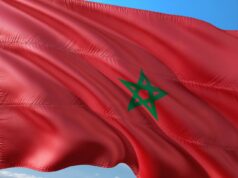
Empowering the Amazigh Minorities in North Africa: A Guide for the Maghrebi Diaspora
This comprehensive guide aims to shed light on the centuries-long struggle of the Amazigh minorities in North Africa, a region rich with cultural heritage and linguistic diversity. The Amazigh people, also known as Berbers, have been an integral part of the region’s fabric for over 5,000 years, yet they have historically faced marginalization, discrimination, and suppression.
From the Roman conquest to the Arabization of North Africa, the Amazigh people have fought to maintain their unique cultural identity in the face of foreign domination. Despite centuries of colonization, oppression, and assimilation, the Amazigh never lost their resilience, and today, there is a resurgence of Amazigh identity and activism across the region.
Historical Context
The Amazigh people have inhabited North Africa for over 5,000 years, with archaeological evidence suggesting that they settled in the region as early as 10,000 BCE. The Roman conquest of North Africa in the 1st century CE marked a significant turning point in their history, as the Romans brought with them Latin, Christianity, and a new administrative system.
The Arabization of North Africa, which began in the 7th century CE, had a profound impact on the Amazigh people. As the Arabs spread Islam across the region, the Amazigh were gradually assimilated into Arab culture, losing their power and recognition as an ethnic group. This process was further accelerated by subsequent colonial powers, including the French and Spanish, who imposed their own languages, customs, and political systems on the region.
Despite this historical context, the Amazigh people never completely disappeared. They maintained a strong cultural identity and resisted assimilation, preserving their unique language, customs, and traditions. In recent years, there has been a growing recognition of the importance of Amazigh culture and language, with efforts underway to revitalize these vital aspects of their heritage.
The Amazigh Movement
The Amazigh movement emerged in the late 20th century as a response to ongoing discrimination and marginalization. This grassroots movement aimed to gain recognition for the Amazigh language, culture, and history, as well as secure political representation for the Amazigh people.
In the 1980s, the Berber Spring in Morocco and the Kabylie uprising in Algeria marked significant turning points in the Amazigh movement. These protests demanded greater rights and autonomy for the Amazigh population, leading to increased awareness of their struggle within and beyond North Africa.
Today, the Amazigh movement continues to fight for recognition, with various political parties and advocacy groups working towards achieving their goals. The movement has also gained international support, as evidenced by the United Nations’ declaration of 2018 as the International Year of Indigenous Languages.
Discrimination and Marginalization
Despite progress in recent years, the Amazigh people still face discrimination and marginalization in various forms. This is evident in issues such as language suppression, lack of political representation, and socioeconomic inequality.
In Morocco, for example, Tamazight (the Amazigh language) is not recognized as an official language at the national level, although it has been granted regional status in some areas. Moreover, the Amazigh population often faces economic disadvantages, with limited access to education and job opportunities. This marginalization is further exacerbated by rural isolation, making it difficult for the Amazigh people to challenge the system effectively.
How You Can Help
- Educate yourself: Take the time to learn more about the Amazigh people, their history, and the challenges they face. Share this knowledge with others to raise awareness and promote understanding.
- Support advocacy groups: Look for organizations that support the Amazigh movement and donate your time or resources to help their cause. Your support can make a tangible difference in the lives of the Amazigh people.
- Promote cultural exchange: Encourage dialogue between the Amazigh and Arab communities, fostering understanding and mutual respect. This is crucial for building bridges across cultures and promoting greater harmony in North Africa.
- Advocate for policy change: Write to your representatives and urge them to support legislation that recognizes the rights of the Amazigh people and promotes cultural diversity. Your voice can help create a more inclusive and equitable region where all cultures are valued and celebrated.
Conclusion
The struggle of the Amazigh minorities in North Africa is a complex issue with deep historical roots. However, through education, advocacy, and support from allies like the Maghrebi diaspora, we can work towards a more inclusive and equitable region where all cultures are valued and celebrated.
Join us in standing up for the Amazigh people and their rights to preserve their unique heritage and achieve self-determination. Together, we can make a difference and create a brighter future for all North Africans.
You might also enjoy
Related Articles
- Embracing Amazigh Culture in Family Life: A Journey for Maghrebi Diaspora
- Unveiling Al-Maghreb in Underground Atlanta: A New Cultural Haven for the Maghrebi Diaspora
- Exploring North Africa: Rediscovering Maghrebi Destinations as Must-Visit Locations for Global Tourists
- Embracing Contemporary Muslim Fashion Trends in Everyday Wear: A Guide for the Maghrebi Diaspora
- Transform Your Bedroom into a Moroccan Oasis: A Guide for Maghrebi Diaspora Readers