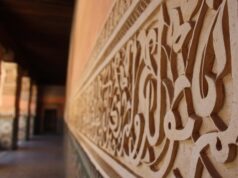
Unveiling Moroccan Workshops: Preserving Artisanal Craftsmanship – A Call for Support
Welcome, fellow members of the Maghrebi diaspora! Today, we embark on a captivating journey exploring the heart of Morocco’s artisanal world – its workshops. These sanctuaries of creativity and tradition have played an instrumental role in preserving centuries-old craftsmanship and upholding our cultural heritage. For generations, Moroccan artisans have honed their skills, passing down techniques and designs that are woven into the very fabric of our identity.
1. The Rich Heritage of Moroccan Artisanal Craftsmanship
Morocco’s artisanal heritage is a veritable treasure trove, boasting an unparalleled diversity and depth in craftsmanship. From intricate zellij tiles to exquisite arabesque metalwork, these time-honored techniques have been passed down through generations, creating a living testament to our history and identity. Each region of Morocco has its own unique artistic style, shaped by the landscape, local materials, and cultural influences. This rich tapestry of artisanal traditions serves as a beacon of pride for Moroccans both at home and abroad.
Take, for example, the ancient city of Fez, where artisans have perfected the art of weaving intricate zellij tiles for centuries. Or consider the bustling souks of Marrakech, where skilled metalworkers craft exquisite arabesque designs that seem to dance across the surface of intricately shaped silver and copper.
However, these time-honored skills are not immune to the ravages of modernity. In recent years, traditional workshops have faced increasing challenges, with mass-produced goods threatening to overshadow their artisanal counterparts. The proliferation of cheap imports has led many artisans to struggle, as they face stiff competition and dwindling demand for their unique products.
2. The Preservation Efforts: Reviving Lost Techniques
In response to this crisis, various initiatives have been launched to support and revive Morocco’s artisanal craftsmanship. Many workshops now collaborate with local organizations and government entities to preserve lost techniques and ensure their continued survival.
One such example is the Moroccan Association for the Preservation of Craftsmanship, which provides funding and resources to support traditional workshops and artisans. Another initiative is the revival of the ancient technique of fez weaving, with master weavers sharing their knowledge with a new generation. These efforts are not only preserving our cultural heritage but also creating opportunities for economic growth and employment in rural areas.
The preservation of Moroccan artisanal craftsmanship is not just about preserving techniques – it’s also about preserving the stories and legends that have been passed down through generations. Artisans’ expertise is often rooted in oral traditions, which are just as valuable as the physical products they create. By supporting these initiatives, we can help ensure that these stories and legends continue to be told for generations to come.
3. Moroccan Workshops: A Window into Tradition
Visiting a traditional workshop offers an immersive experience that transports visitors back in time. Here, one can witness artisans diligently practicing techniques that have been refined over centuries, often using the same tools and methods as their ancestors. The air is thick with the scent of woodsmoke and the sound of hammering on metal.
These workshops are more than just places of production; they serve as cultural institutions, preserving not only craftsmanship but also stories, legends, and anecdotes passed down through generations. They are living museums, providing invaluable insights into our shared heritage. By visiting these artisanal hubs, tourists contribute to the preservation of Morocco’s cultural heritage while gaining an unparalleled understanding of its rich traditions.
4. The Role of Artisans: Custodians of Tradition
Artisans are the guardians of our cultural legacy, ensuring that traditional techniques and designs are passed down through generations. Their dedication to preserving Morocco’s artisanal craftsmanship is unwavering, even in the face of modern challenges.
Many artisans today face significant obstacles, such as limited access to resources, lack of training opportunities, and competition from mass-produced goods. However, their commitment to upholding our cultural heritage remains steadfast. Take, for example, the skilled metalworkers of Marrakech, who continue to craft intricate designs using techniques passed down through generations.
By supporting these artisans, we not only preserve our rich artistic legacy but also contribute to the empowerment and economic independence of Morocco’s artisan community. By visiting their workshops and purchasing their products, tourists can play a vital role in ensuring the long-term sustainability of these initiatives.
5. Supporting Moroccan Artisanal Craftsmanship: A Call to Action
- Visit traditional workshops during your travels in Morocco, and make a point of supporting local artisans by purchasing their products or commissioning custom pieces.
- Advocate for the preservation of Moroccan artisanal craftsmanship within your community and online platforms, sharing stories and images that showcase the beauty and importance of these traditions.
- Support organizations dedicated to reviving lost techniques and supporting traditional workshops, such as the Moroccan Association for the Preservation of Craftsmanship.
- Encourage tourists to engage with traditional Moroccan craftsmanship during their travels, fostering a greater appreciation for our shared heritage.
Let us rally together as members of the Maghrebi diaspora to preserve and celebrate Morocco’s artisanal craftsmanship. By supporting these workshops and the dedicated artisans who keep our traditions alive, we ensure a vibrant future for our cultural heritage.
You might also enjoy
Related Articles
- Beyond Cuisine: Exploring Artisanal Craftsmanship Preserved in Moroccan Workshops
- Exploring Casablanca Workshops: Preserving Moroccan Craftsmanship
- Celebrating Moroccan Culture and Craftsmanship at Underground Atlanta World Cup Event
- Discovering Moroccan Craftsmanship: A Journey Through the Casablanca Workshops
- Preserving Tradition: A Comprehensive Guide to Making Preserved Lemons