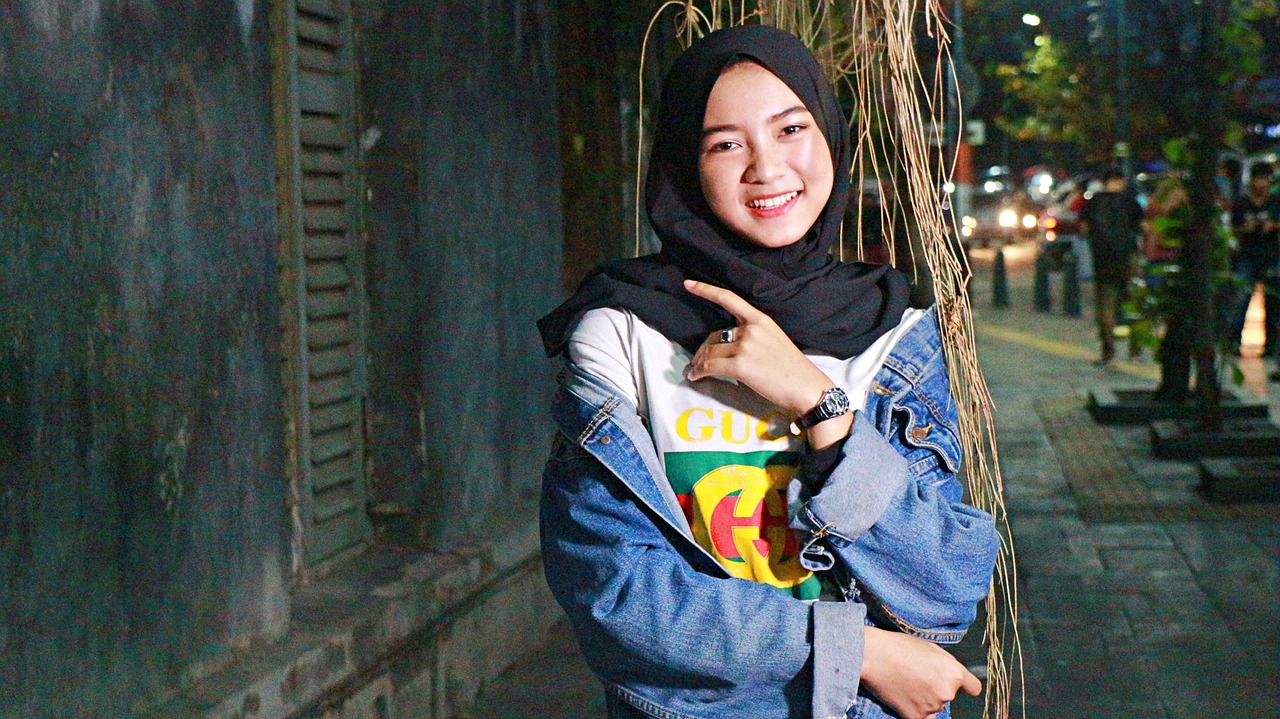
Tracing the Evolution and Impact of Contemporary Muslim Fashion on Global Style
In today’s interconnected world, fashion trends have transcended borders and cultural barriers like never before. The evolution of contemporary Muslim fashion is a perfect example of this phenomenon. This article takes you on a journey to explore its roots, impact, and the influence it exerts on global style.
The Origins of Muslim Fashion
Muslim fashion’s roots can be traced back to the prophet Muhammad’s teachings, which emphasized modesty, simplicity, and practicality. The traditional Islamic attire for women, the hijab, emerged as a symbol of faith and piety. Over time, local customs and traditions shaped regional variations in Muslim fashion across the world.
In the Maghrebi region, which encompasses Morocco, Algeria, Tunisia, and Libya, vibrant textiles, intricate embroidery, and bold geometric patterns have contributed significantly to the rich tapestry of Islamic fashion. For instance, Moroccan kaftans are renowned for their beautiful silk fabrics and ornate embroidery, while Algerian djellabas are characterized by their flowing silhouettes and striking colors.
Fast forward to the 20th century, urbanization, globalization, and the rise of mass media have led to a blending of traditional Muslim fashion with Western influences. This fusion gave birth to contemporary Muslim fashion, characterized by modern, chic, and stylish designs that harmoniously incorporate Islamic modesty requirements.
The Emergence of Halal Fashion
Halal fashion is a segment within the broader realm of contemporary Muslim fashion. It refers to clothing that adheres to Islamic principles, ensuring ethical production and compliance with modesty standards. The demand for halal fashion has grown exponentially due to an increasing awareness among consumers about the need for ethically-produced garments.
Some brands specialize in providing stylish, modest clothing that meets these expectations. For instance, Modanisa is a popular online retailer that offers a wide range of halal fashion products, including clothing, accessories, and beauty items. This growth in Halal fashion has not only catered to the needs of the Muslim community but also appealed to consumers seeking ethical and eco-friendly options.
The Maghrebi diaspora has played a pivotal role in the proliferation of halal fashion by introducing traditional designs, materials, and techniques to a global audience, thus expanding the reach of Muslim fashion on the global stage. The diaspora’s influence can be seen in the way they have adapted their cultural heritage to modern tastes and styles.
Influential Designers Shaping Contemporary Muslim Fashion
Several designers have emerged as trailblazers in the contemporary Muslim fashion industry, pushing boundaries, challenging stereotypes, and showcasing the versatility and sophistication of Islamic-inspired fashion.
- Dina Torkia: A UK-based Egyptian blogger, vlogger, and designer, Torkia is a prominent figure in the Muslim fashion scene. She creates stunning hijab styles that cater to both traditional and modern tastes. Her designs often feature bold colors, intricate patterns, and statement pieces.
- Hana Tajima: A British designer of Bangladeshi descent, Tajima collaborates with mainstream brands like Uniqlo to create modest wear collections that appeal to a global audience. Her designs are characterized by clean lines, minimalist aesthetics, and an emphasis on comfort.
- Amina Muaddi: Although her designs are not strictly Islamic, this Italian-Tunisian shoe designer’s work is gaining recognition for its fusion of traditional craftsmanship with contemporary aesthetics. Her shoes often feature intricate details, bold colors, and unique silhouettes.
The Impact of Social Media on Muslim Fashion
Social media platforms have served as a catalyst for the growth and influence of contemporary Muslim fashion. Influencers, bloggers, and designers use these channels to share their creations, inspire others, and promote inclusivity.
The Maghrebi diaspora has contributed to this digital revolution by showcasing traditional Moroccan, Algerian, Tunisian, and Libyan styles on a global scale. This has not only increased appreciation for these cultures but also provided a platform for emerging designers to share their work.
Moreover, social media enables collaboration between Muslim fashion enthusiasts from different parts of the world, fostering a sense of community and shared identity. It allows users to share their personal stories, showcase their cultural heritage, and connect with like-minded individuals.
Call to Action
The evolution of contemporary Muslim fashion serves as a testament to cultural exchange, innovation, and the power of digital media. As consumers, we have the opportunity to support ethical and inclusive fashion by choosing brands that align with our values. Let’s continue celebrating and promoting Muslim fashion on the global stage.
You might also enjoy
Related Articles
- Empowering Contemporary Muslim Women’s Fashion: Key Takeaways and Trends
- Exploring the Impact of Islamic Culture on Global Fashion: A Journey Through Maghrebi Influence
- Exploring Modern Modest Fashions in ‘Contemporary Muslim Fashions’ Exhibit: A Cultural Renaissance for Maghrebi Diaspora
- 5 Steps to Modern Fashion for Maghrebi Women: Balancing Tradition and Contemporary Style
- Unveiling the Global Adoration for Moroccan Caftans at China’s Fashion Week