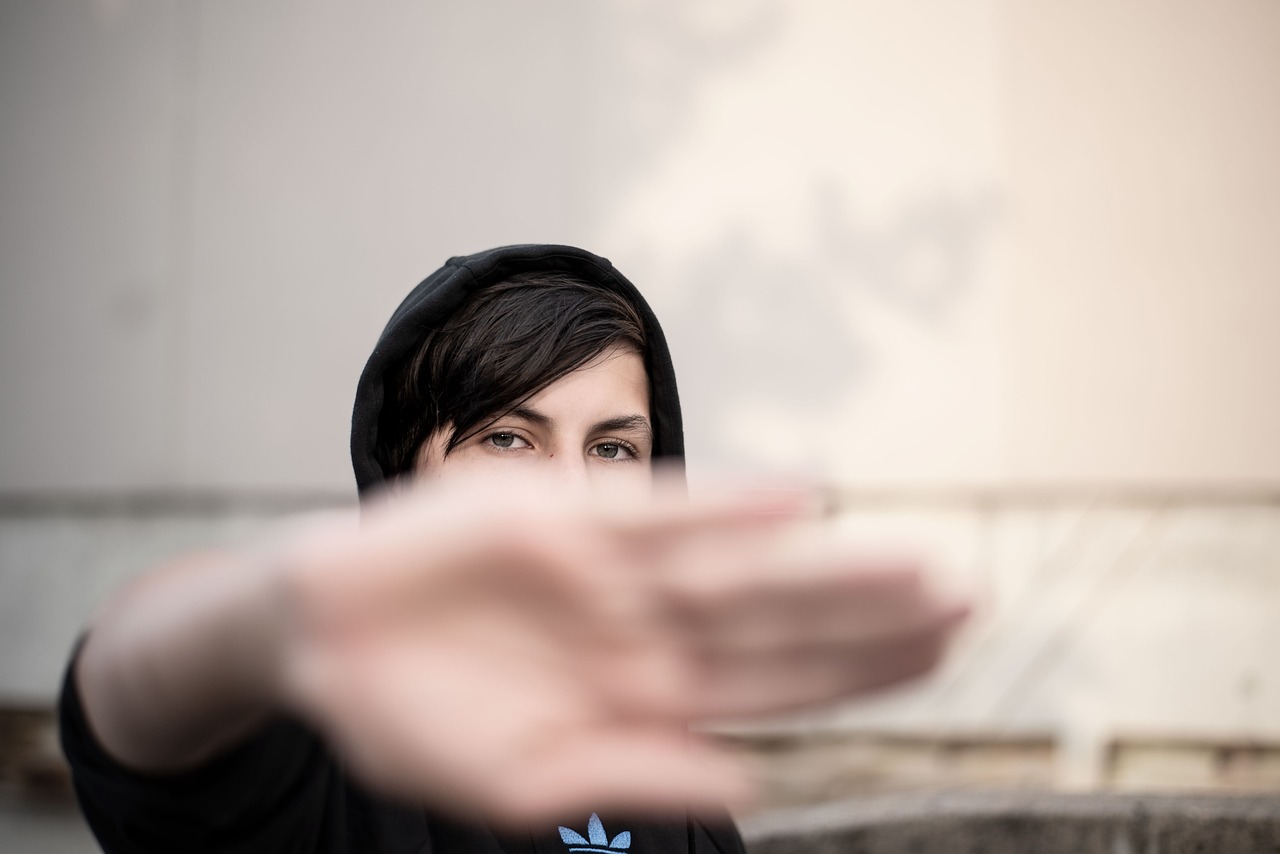
Modern Moroccan Streetwear: Reviving Tradition in the Digital Age
As we delve into the vibrant world of modern Moroccan streetwear, it’s clear that this unique fusion of rich cultural heritage and contemporary fashion is redefining style and tradition in the digital age. For the Maghrebi diaspora, this movement is a powerful expression of identity and cultural pride, as we merge traditional Moroccan aesthetics with urban streetwear trends to create a fresh and exciting approach to fashion.
With a history that dates back thousands of years, Moroccan fashion has a rich tapestry of influences, from the intricate geometric patterns of Zellige tiles to the stunning embroidery of Berber carpets. These traditional designs are deeply rooted in Moroccan culture, representing the harmony between Islamic and Berber influences that have shaped the country’s unique identity. The use of bold colors, intricate patterns, and high-quality materials has made Moroccan fashion a symbol of craftsmanship and artistic excellence.
In the digital age, these traditional designs are finding new life in the realm of streetwear. Designers are drawing inspiration from Moroccan culture to create bold, eye-catching pieces that are making waves in the fashion industry. From bold kaftans to statement-making babouches, Moroccan streetwear is a true reflection of the country’s vibrant cultural heritage.
1. The Roots of Moroccan Style
Moroccan fashion has a rich history that spans centuries, with influences from Islamic and Berber traditions. The country’s unique blend of cultures has resulted in a distinct aesthetic that is both bold and elegant.
One of the most iconic symbols of Moroccan culture is the djellaba, a long, flowing robe that is often worn as a symbol of modesty and elegance. The djellaba is a staple of Moroccan fashion, with intricate embroidery and bold colors that reflect the country’s rich cultural heritage.
In addition to the djellaba, Moroccan fashion is also known for its stunning textiles, including the intricate Zellige tiles and the colorful Berber carpets. These textiles are not only works of art but also an important part of Moroccan cultural heritage, with intricate designs and patterns that tell stories of the country’s rich history.
2. The Rise of Moroccan Streetwear
Moroccan streetwear is a relatively new phenomenon, but it’s quickly gaining traction among fashion enthusiasts worldwide. What sets Moroccan streetwear apart is its ability to balance the vibrant, bold nature of traditional Moroccan designs with the urban, edgy aesthetic of streetwear.
Designers are skillfully combining elements like djellabas, kaftans, and babouches with modern silhouettes, materials, and graphics to create bold, eye-catching pieces that are making waves in the fashion industry. From statement-making accessories to bold, graphic prints, Moroccan streetwear is a true reflection of the country’s vibrant cultural heritage.
This fusion of traditional and contemporary styles is resonating with consumers, particularly among the Maghrebi diaspora who are eager to connect with their roots while staying stylish in the digital age. Whether you’re looking to add a touch of tradition to your wardrobe or simply appreciate the fusion of cultures, there’s never been a better time to embrace Moroccan streetwear.
3. The Role of Social Media
Social media platforms have played a crucial role in the rise of Moroccan streetwear, providing a platform for designers to showcase their work, connect with consumers, and build a community around this exciting fusion of cultures.
From Instagram influencers showcasing their unique looks to online marketplaces selling Moroccan-inspired streetwear, social media has made it easier than ever for consumers to discover and purchase these pieces. With millions of users worldwide, social media has become a powerful tool for promoting Moroccan streetwear and connecting with a global audience.
This increased visibility has helped to legitimize Moroccan streetwear in the global fashion landscape, making it more accessible and desirable to consumers. Whether you’re a fashion enthusiast looking to stay on the pulse of the latest trends or simply interested in exploring the world of Moroccan streetwear, social media has made it easier than ever to get involved.
4. The Influence of Streetwear Icons
Many established streetwear brands have begun incorporating Moroccan elements into their designs, further popularizing Moroccan streetwear. Brands like Supreme, Off-White, and Louis Vuitton have all released collections inspired by Morocco, featuring designs like the traditional kaftan or the iconic Moroccan tile pattern.
This validation from iconic streetwear brands has helped legitimize Moroccan streetwear in the global fashion landscape, making it more accessible and desirable to consumers. As a result, we can expect to see more designers entering the scene, pushing the boundaries of what’s possible in this exciting fusion of tradition and modernity.
5. The Future of Moroccan Streetwear
The future of Moroccan streetwear is bright, with countless opportunities for growth and innovation. As the demand for Moroccan-inspired fashion continues to grow, we can expect to see more designers entering the scene, pushing the boundaries of what’s possible in this exciting fusion of tradition and modernity.
Furthermore, as the Maghrebi diaspora continues to grow and evolve, we can expect to see more consumers seeking out and embracing Moroccan streetwear as a way to connect with their roots and express their cultural identity in the digital age.
Conclusion
Modern Moroccan streetwear is more than just a fashion trend; it’s a testament to the enduring beauty and vibrancy of Moroccan culture. By embracing and elevating traditional Moroccan designs, streetwear is helping to preserve and celebrate our cultural heritage in the digital age.
As a member of the Maghrebi diaspora, we invite you to join us in this exciting journey and explore the world of Moroccan streetwear. Whether you’re looking to add a touch of tradition to your wardrobe or simply appreciate the fusion of cultures, there’s never been a better time to embrace Moroccan streetwear.
You might also enjoy
Related Articles
- Discovering DAZ Hijab: A Beacon of Tradition and Fashion for the Algerian, Tunisian, and Moroccan Diaspora in France
- Embracing Tradition: Children’s Fashion Inspired by Algerian, Tunisian, and Moroccan Culture
- Reviving Tradition: A Step-by-Step Chebakia Recipe for Celebrating Ramadan
- DAZ Hijab: Celebrating Algerian, Tunisian, and Moroccan Fashion for the Diaspora in France
- Embracing Modesty: Exploring Modern Muslim Fashion Trends in Western Academia for Maghrebi Diaspora