Revival of Moroccan Amazigh Identity: Ancient Roots to Modern Expression
Welcome, dear readers! As we delve into the fascinating story of the Moroccan Amazigh identity, I invite you to join me on a journey that spans thousands of years. From the ancient Berber civilizations to modern-day expression and advocacy, this article will explore the revival and preservation of Amazigh culture, language, and traditions.
The Ancient Berber Civilizations: Origins and Legacy
As we gaze back into the mists of time, it’s astonishing to discover that the Amazigh people, also known as Berbers, have been inhabiting North Africa for thousands of years. Their civilization was characterized by a unique blend of culture, language, and architecture, with cities like Volubilis and Timgad serving as testaments to their rich history.
The Amazighs were a sophisticated society, boasting advanced agriculture, metalworking, pottery, and weaving skills. Their written language, Tifinagh, predates the Arabic alphabet and remains an integral part of Amazigh identity today.
Despite facing numerous invasions from Roman, Vandal, and Arab forces throughout history, the Amazigh people managed to preserve their distinct culture and traditions, ultimately paving the way for its renaissance in modern times. This remarkable resilience is a testament to the enduring power of their cultural heritage.
The Tamazight Language: Preservation and Revival
Tamazight, the spoken language of the Amazighs, had been suppressed for centuries under Arab rule. However, as the 20th century unfolded, a renewed interest in preserving this linguistic treasure emerged.
Scholars and activists worked tirelessly to document, standardize, and promote Tamazight, ultimately leading to its recognition as an official language of Morocco in 2011. Today, it is taught in schools and featured in media outlets across the country, allowing Amazigh youth to connect more deeply with their roots.
Moreover, Tamazight has found a new platform online, where diaspora members can engage with each other, share content, and learn from one another. This global network fosters a sense of unity among Maghrebis across the world and strengthens the revival of Amazigh identity.
Amazigh Art and Culture: A Vibrant Resurgence
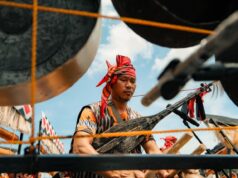
The artistic expression of Amazigh culture has experienced a remarkable resurgence in recent decades. Traditional music, dance, and crafts have been revitalized and shared with the world, showcasing the rich cultural fusion that characterizes Morocco.
Gnawa music, with its hypnotic rhythms and mystical lyrics, is a prime example of this cultural richness. Ahwash and chaabi are other popular genres that reflect Amazigh traditions and speak to contemporary issues.
Amazigh craftsmanship, including weaving, pottery, and jewelry-making, has also seen a resurgence in popularity both within Morocco and internationally. These artisanal works serve as tangible connections to our Amazigh heritage and provide economic opportunities for Amazigh communities.
Amazigh Political Advancement: Representation and Rights
The political empowerment of the Amazigh community is essential for ensuring their continued growth and preservation. In recent years, there has been a significant push for greater representation in government and advocacy for Amazigh rights.
Political parties such as the Amazigh Party (PAM) and the Popular Movement (MP) have emerged to champion the Amazigh cause. Regional Amazigh parliaments, like the Berber Parliament of Al Hoceima, provide a platform for Amazigh voices to be heard.
Efforts are underway to establish an autonomous region in the Rif Mountains, where Amazigh culture can flourish and ensure the long-term preservation of their unique identity.
A Call to Action: Embracing Our Amazigh Heritage
As members of the Maghrebi diaspora, it is our responsibility to stay informed about and engaged with the revival of Moroccan Amazigh identity. By learning more about our shared heritage, we can foster a deeper appreciation for its beauty and complexity.
I encourage you to attend cultural events, donate to organizations that promote Amazigh rights, and support schools and media outlets in their efforts to incorporate Amazigh content into their programming. In doing so, we not only celebrate the richness of our past but also help ensure a vibrant future for the Amazigh community within Morocco and across the diaspora.
You might also enjoy
Related Articles
- Exploring Morocco’s Amazigh Heritage: From Ancient Roots to Modern Identity
- Unraveling the Cultural Synergy of Judeo-Amazigh Communities in North Africa
- Exploring Ancient Phoenician and Egyptian History in North Africa: A Journey Through Time for the Maghrebi Diaspora
- Preserving North Africa’s Endangered Tongues: A Celebration of Coptic, Nubian, and Berber Languages
- Exploring Amazigh Culture’s Role in Modern Morocco: Challenges and Future Prospects