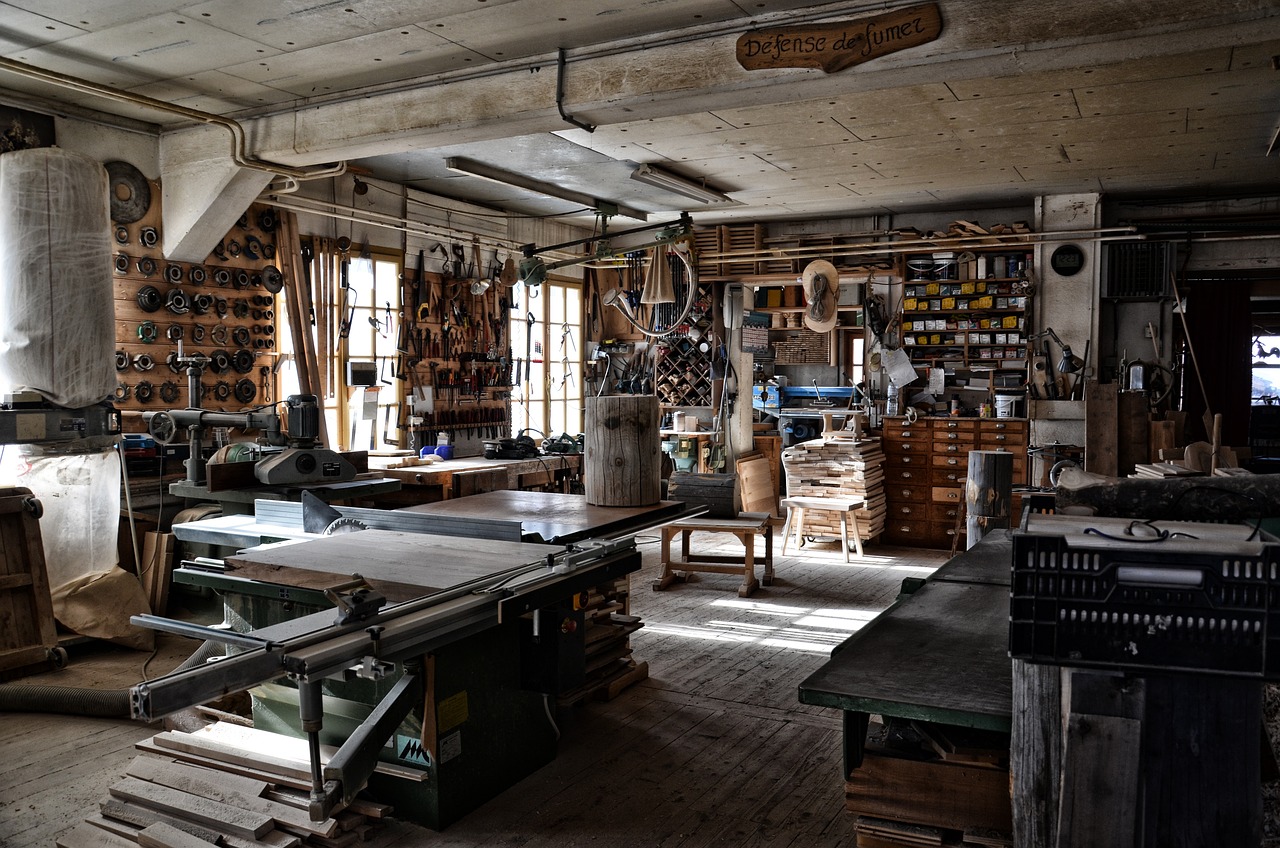
Exploring Casablanca Workshops: A Journey through Time and Tradition
Welcome, dear readers, to a journey that takes us back in time to the heart of Morocco – specifically, the bustling city of Casablanca. Here, amidst the vibrant streets and ancient medinas, lies a treasure trove of authentic craftsmanship that has been passed down through generations.
Our focus today is on the workshops hidden within this vibrant city, where skilled artisans continue to create works of art using traditional methods and materials. These workshops are not just places of production; they are living testaments to Morocco’s rich cultural heritage, waiting to be discovered by curious travelers and locals alike.
The Artisan’s Touch: A Tale of Skill, Patience, and Dedication
In these Casablanca workshops, each piece is a labor of love, created with the artisan’s skilled hands. From intricate metalwork to delicate pottery, every item tells a story of patience, dedication, and a deep connection to Morocco’s past.
The process often begins with raw materials such as clay, wood, or metal. These are then shaped, molded, and polished over days, weeks, or even months, resulting in pieces that exude an undeniable charm and authenticity.
One cannot overlook the role of apprenticeship in this traditional craftsmanship. Young artisans learn from their elders, ensuring that these ancient techniques are preserved for future generations. This mentorship is a testament to the importance of community and the passing down of knowledge through generations.
A Symphony of Colors: The Magic of Moroccan Tiles
No exploration of Casablanca workshops would be complete without mentioning the breathtaking Moroccan tiles. These vibrant, intricate works of art adorn walls and floors in homes, mosques, and public buildings throughout the country.
The process of making these tiles is a complex one, involving the careful arrangement of individual pieces to create stunning patterns and designs. Each color, each pattern, tells a story that echoes through Morocco’s history, from the geometric shapes of Zellige tiles to the intricate designs of faience tiles.
- Zellige: Known for their geometric patterns and square shapes, Zellige tiles are a staple of Moroccan architecture. Their unique design makes them a popular choice for homes and public spaces alike.
- Faience: A type of tin-glazed pottery, faience tiles are characterized by their bright colors and intricate designs. These tiles often feature floral patterns or geometric shapes that add a touch of elegance to any room.
- Ceramic: Often used for more simplistic designs, ceramic tiles still retain the charm and authenticity that characterizes Moroccan craftsmanship. From simple to elaborate, ceramic tiles are a popular choice for homes and public spaces.
The Sound of Silversmithing: Crafting Timeless Treasures
Silversmithing is another art form that flourishes in Casablanca workshops. Here, skilled artisans craft delicate, intricate items using age-old techniques that require patience, skill, and attention to detail.
From jewelry to tea sets, each piece is a testament to the artisan’s skill and dedication. The process involves melting silver, shaping it by hand, and often engraving intricate designs into the metal. The result is a timeless treasure that radiates elegance and sophistication.
One unique aspect of Moroccan silversmithing is the use of silver threads, which are twisted by hand to create elaborate patterns and designs. This attention to detail and commitment to quality make Moroccan silverwork some of the finest in the world.
A World of Wonders: Exploring Woodwork Masterpieces
Woodworking in Casablanca workshops is a testament to Morocco’s rich history and diverse influences. From traditional Berber carvings to intricate Arabesque designs, each piece tells a story of the region’s cultural tapestry.
The process involves carefully selecting high-quality wood, often cedar or olive wood, and then shaping it using chisels, knives, and other hand tools. The result is a timeless piece that radiates warmth and character.
One unique aspect of Moroccan woodwork is the use of marquetry, where pieces of different woods are carefully arranged to create intricate patterns and designs. This attention to detail and commitment to quality make Moroccan woodwork some of the finest in the world.
Preserving Tradition: Supporting Casablanca’s Artisanal Community
As we journey through these workshops, it becomes clear that each piece is more than just an object; it is a piece of Morocco’s soul. However, this traditional craftsmanship faces challenges in the modern world.
Supporting Casablanca’s artisanal community is crucial to preserving these ancient techniques and ensuring that they are passed down to future generations. By purchasing authentic Moroccan items, you help keep these workshops alive and thriving.
So, the next time you visit Casablanca, take some time to explore these hidden gems. Engage with the artisans, learn about their craft, and carry a piece of Morocco’s history back home with you. By doing so, you will not only bring a unique souvenir but also contribute to the preservation of this rich cultural heritage.
You might also enjoy
Related Articles
- Reviving Traditional Moroccan Craftsmanship in Casablanca Workshops
- Celebrating Maghrebi Craftsmanship: A Tour of Casablanca Workshops
- Embracing Moroccan Culture in Underground Atlanta: A Unique World Cup Experience for the Maghrebi Diaspora
- Exploring Beurcore Culture Through Contemporary Art: A Deep Dive into Sara Sadik’s Work
- Zellij Mosaics, Couscous and Caftans: Preserving Maghrebi Heritage at UNESCO