Reviving Traditions: A Preserved Lemons Recipe for Maghrebi Diaspora
Welcome, dear readers of the Maghrebi diaspora! Today, we embark on a culinary journey that transcends borders and time, as we delve into the art of preserving lemons – a gastronomic treasure deeply rooted in our North African heritage. This recipe not only offers a tantalizing taste of home but also provides an opportunity to pass down cultural traditions to the younger generation. For many of us, food is more than just sustenance; it’s a means of connecting with our past and honoring our ancestors.
Preserved lemons, known as ‘lemons confit’ or simply ‘lemon pickles’, are a staple in Maghrebi cuisine. Their origins can be traced back to ancient times, with references found in Phoenician and Roman writings. These tangy treasures play a crucial role in North African cooking, adding depth and complexity to dishes like tagines, couscous, and salads. The process of preserving lemons is an art that requires patience, attention to detail, and a deep understanding of the flavors involved.
Beyond their gastronomic value, preserved lemons are also steeped in symbolism. In Moroccan culture, they signify hospitality, as offering a jar of these pickled lemons to a guest is considered a mark of respect and warmth. When we share this recipe with others, we’re not just sharing a meal – we’re sharing a piece of ourselves, our stories, and our traditions.
The Essential Ingredients
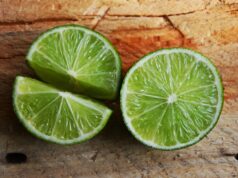
- Lemons: Organic, unwaxed lemons are preferred for this recipe. They should be firm and unblemished, with a slight give when you press on the skin. Look for lemons that have been grown using sustainable farming practices to ensure you’re getting the best flavor.
- Salt: Coarse sea salt or kosher salt is ideal. The coarser texture allows the salt to dissolve slowly, which helps to balance the flavors and preserve the lemons properly.
- Lemon juice: Freshly squeezed lemon juice helps balance the flavors and creates a nice acidity in the preserved lemons. Be sure to use organic lemons whenever possible, as they are less likely to contain pesticides.
- Preserving jar: A clean, sterilized jar with a tight-fitting lid is essential for proper preservation. Look for jars that have been specifically designed for canning or preserving, as they will have a wider mouth and be made of heat-resistant glass.
The Step-by-Step Process
1. Prepare the lemons: Wash the lemons thoroughly with cold water to remove any dirt or debris. Then, cut them into quarters, leaving the bottom intact to keep them closed. Be sure not to cut too deep, as this can cause the lemons to become damaged during the preservation process.
2. Salt the lemons: Pack each lemon with a generous amount of salt, placing them in the jar as you go along. Use your hands or a spoon to pack the salt tightly around each lemon quarter, making sure they’re completely covered.
3. Add fresh lemon juice and spices (optional): Pour enough freshly squeezed lemon juice over the lemons to cover them completely. You can also add aromatic spices like cinnamon sticks, coriander seeds, or bay leaves to the preserving jar for added flavor. Simply place the spices in the jar along with the lemons and salt.
4. Seal and store: Cover the jar with a clean cloth or lid, ensuring that it is tightly sealed to prevent contamination. Store the jar in a cool, dry place for at least 3 weeks before using. During this time, the lemons will undergo a natural fermentation process that will help to preserve them.
Tips for Success
– Always use clean and sterilized equipment when preparing the lemons and jar to prevent contamination.
– Experiment with different spices or herbs to add unique flavors to your preserved lemons. Some options include star anise, cardamom pods, or cloves.
– When the preserved lemons are ready, rinse off excess salt before using them in recipes. This will help to balance the flavors and prevent the lemons from becoming too salty.
Embracing Our Culinary Roots
As we savor this Maghrebi essential, let us remember the rich history and traditions that it represents. This recipe is more than just a culinary art; it’s a testament to our resilience, creativity, and enduring connection to our roots. By sharing this recipe with others, we’re not only preserving a piece of our cultural heritage but also passing down a valuable tradition to future generations.
Call to Action: Share your preserved lemon experiences with us! Tag us in your photos or comment below to inspire others in the Maghrebi diaspora to embrace this delicious tradition. Let’s come together as a community to revive and celebrate our cultural heritage through food, storytelling, and shared experiences.
You might also enjoy
Related Articles
- Preserved Lemons Recipe: A Taste of Moroccan Culture
- Exploring Ancient Phoenician and Egyptian History in North Africa: A Journey Through Time for the Maghrebi Diaspora
- Travel Advisory for the Middle East North Africa (MENA) Region: Essential Tips for the Maghrebi Diaspora
- Family Trips to North Africa: A Practical Guide for the Maghrebi Diaspora
- Maximizing Your Travel to the Middle East & North Africa with Miles: A Comprehensive Guide for the Maghrebi Diaspora