Celebrating Maghrebi Craftsmanship: A Tour of Casablanca Workshops
Welcome to our virtual tour of the vibrant and thriving workshops of Casablanca, Morocco. As we embark on this journey through the heart of Maghrebi craftsmanship, you’ll be treated to a rich tapestry of artistry, tradition, and resilience that defines these cultural treasures.
The Artisanal Soul of Casablanca: A Rich Tapestry
In the bustling district of Sidi Bernoussi, we find master artisans preserving age-old techniques for creating intricate metalwork, tadelakt plaster, and zellij tilework. These time-honored traditions are a testament to the indomitable spirit of Maghrebi craftsmanship.
One such workshop is that of renowned metalsmith, Mahjoub Ben Brik, who has dedicated his life to perfecting the art of filigree. This delicate and intricate technique involves creating delicate patterns with thin threads of precious metal, a skill passed down through generations. As we step into his workshop, we’re met with the sweet aroma of molten gold and the soft hum of chisels striking metal.
Another gem in Casablanca’s creative tapestry is the workshop of Jamal Bellakhdar, whose extraordinary tilework showcases an unparalleled mastery of zellij. Each piece is a stunning example of Moroccan geometric design, painstakingly crafted by hand. With every delicate cut and precise placement, Bellakhdar weaves a visual narrative that tells the story of Morocco’s rich cultural heritage.
The Symphony of Wood: Carpenters and Marquetry Masters
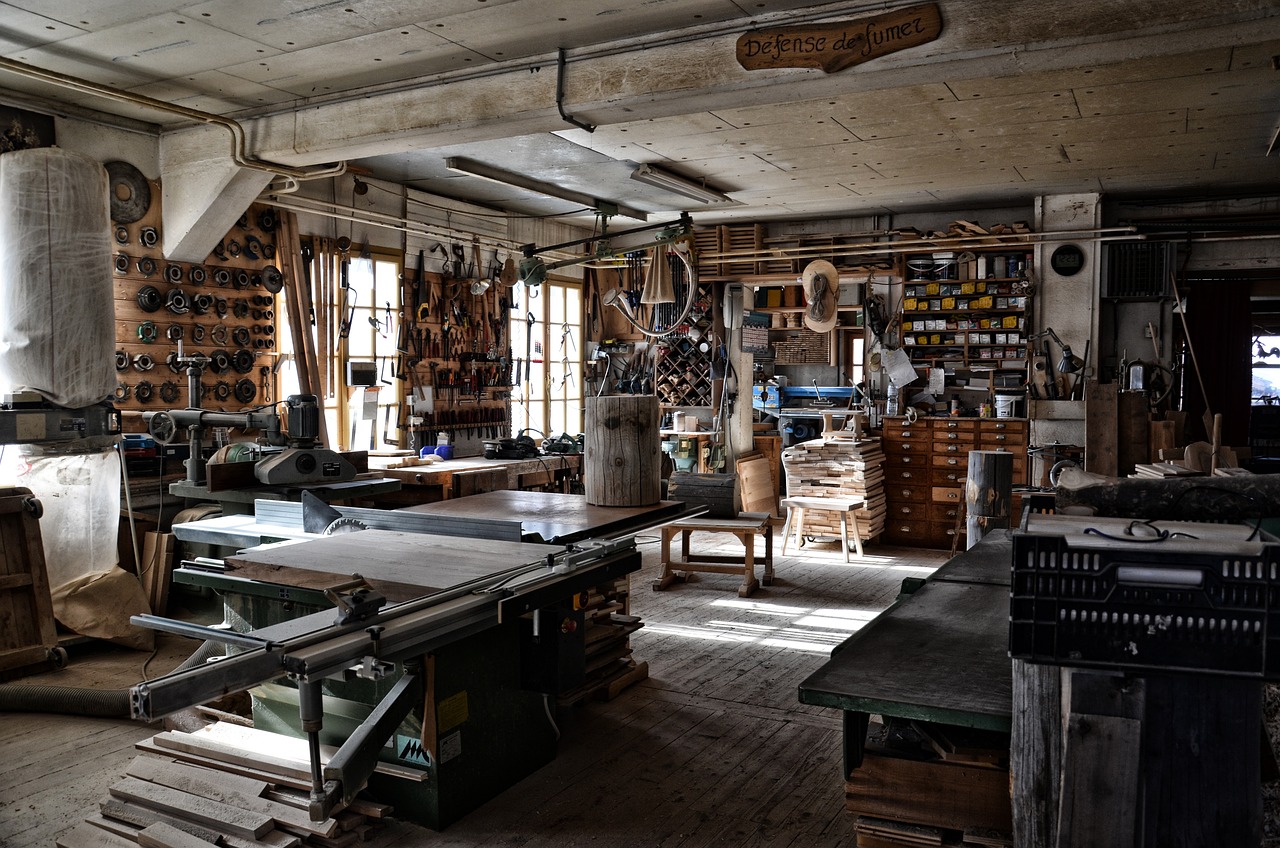
In the heart of the Medina, we discover the workshop of Master Carpenter Abdelkader El Alaoui. With over 40 years of experience, he continues to create exquisite pieces that exemplify the beauty and elegance of Maghrebi craftsmanship. His designs are a harmonious blend of traditional forms and contemporary aesthetics, showcasing the enduring relevance of these age-old techniques.
Just down the street lies the atelier of Marquetry Master Mohamed El Moumni. His mastery of this intricate art form involves creating detailed scenes and patterns using various woods, often depicting iconic Moroccan landscapes and motifs. As we watch him work his magic, we’re struck by the patience and dedication required to craft each piece.
El Moumni’s work is a perfect example of the marriage between form and function, as these pieces serve not only as beautiful works of art but also as functional items such as doors, cabinets, and furniture. With every meticulous cut and careful arrangement, El Moumni imbues his creations with a sense of history and cultural significance.
The Woven Tales: Textiles and Carpets
Our tour would be incomplete without a visit to the workshops of Casablanca’s textile artisans. Here, we find master weavers crafting intricate patterns on looms, often using traditional techniques such as Boujad or Azilal embroidery. These pieces, adorned with vibrant colors and complex geometric designs, are a celebration of Moroccan culture and history.
One such workshop is that of Hassan Ait Ouarab, who specializes in traditional Berber rugs. Each rug tells a story, woven by hand over days or even weeks, and often passed down through generations as cherished heirlooms. As we walk into his workshop, we’re enveloped by the soft glow of looms and the soothing hum of shuttle-like movements.
Another notable workshop is that of Abdessalam Ouazzani, whose intricate carpets are sought after by collectors worldwide. His work is a testament to the enduring allure of Maghrebi textiles and the skill of its master artisans.
The Scented Oasis: Perfumery and Soap-Making
Our journey concludes in the charming neighborhood of the Habous, where we find a plethora of workshops dedicated to perfumery and soap-making. Here, traditional techniques are used to create fragrant essential oils, aromatic blends, and handmade soaps.
One such workshop is that of Master Perfumer Abdellatif Ben Amor, whose creations are inspired by the flora and fauna of Morocco. Each scent tells a story of the land, its people, and their rich history. As we step into his atelier, we’re greeted by the intoxicating aromas of bergamot, orange blossom, and rose.
Another notable establishment is the soap-making workshop of Sidi Haroun, where traditional techniques have been passed down through generations. Here, soaps are handcrafted using olive oil and local herbs, resulting in a product that is both nourishing and aromatic. As we watch the artisans work their magic, we’re struck by the patience and dedication required to craft each bar.
Embracing Our Roots: A Call to Action
As we conclude our virtual tour of Casablanca’s workshops, we invite you, dear readers, to join us in celebrating the incredible artistry and resilience of Maghrebi craftsmanship. By supporting these master artisans, we not only preserve their traditions but also ensure that they continue to thrive for generations to come.
- Back our Kickstarter campaign
- Contact us to learn more about how you can support Maghrebi crafts
- Follow us on Instagram for updates and inspiration
Together, let’s continue to celebrate and preserve the incredible artistry of Maghrebi craftsmanship.
You might also enjoy
Related Articles
- Reviving Traditional Moroccan Craftsmanship in Casablanca Workshops
- Universal Music Group Launches Def Jam Recordings North Africa in Casablanca: A New Era for Maghrebi Music
- Def Jam Recordings North Africa Establishes Presence in Morocco: A New Era for Maghrebi Music
- Moroccan Fashion Steals the Spotlight at London’s DZ Fest: A Celebration of Maghrebi Culture and Creativity
- Exploring Ancient Phoenician and Egyptian History in North Africa: A Journey Through Time for the Maghrebi Diaspora