Celebrating Eid al-Fitr with Traditional Tunisian Recipes
Eid al-Fitr, the festival marking the end of Ramadan, is a joyous occasion for millions around the world. For our Maghrebi diaspora community, it’s an opportunity to connect with our roots and celebrate our rich Tunisian heritage. This year, let’s dive into some traditional Tunisian recipes that will make your Eid al-Fitr even more memorable.
Brik: A Must-Have Starter
Brik, also known as ‘bourghul bizzez’, is a popular Tunisian appetizer. It’s a crispy, flaky pastry filled with a combination of ingredients like tuna, eggs, and harissa, a spicy Tunisian paste.
To make Brik at home, you’ll need filo pastry, olive oil, eggs, tuna, harissa, and fresh parsley. Roll out the filo pastry, brush it with olive oil, place your filling in the center, fold it into a triangle, and fry until golden brown.
Brik is best served hot, accompanied by a refreshing salad or a cold drink. It’s a perfect starter to kick off your Eid al-Fitr feast.
Couscous: The Heart of Tunisian Cuisine
Couscous, a traditional North African dish, is a staple in Tunisian cuisine. It’s made from semolina grains that are steamed and served with vegetables, meat, or fish.
For a delicious Tunisian-style couscous, you’ll need semolina, chicken, potatoes, carrots, peas, olives, and harissa. Cook the chicken separately, steam the semolina, and mix it all together with the vegetables and spices.
Serve your Tunisian couscous in a large serving dish, garnished with fresh herbs and toasted almonds. It’s a hearty, flavorful dish that will delight everyone at your Eid table.
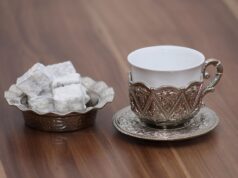
Makroudh: A Sweet Treat for Eid
Makroudh, also known as Makroudiya or M’karwa, is a traditional Tunisian dessert made from semolina and date honey. It’s a sweet, crunchy treat perfect for celebrating Eid al-Fitr.
To make Makroudh, you’ll need semolina, date honey, butter, sesame seeds, and orange blossom water. Mix the ingredients together, shape them into small balls, and fry until golden brown.
Serve your Makroudh with a cup of hot tea or coffee for a sweet ending to your Eid meal.
Salad Tunisienne: A Refreshing Side Dish
Salad Tunisienne, also known as Salade Méchouia, is a refreshing Tunisian salad made with grilled vegetables, olive oil, garlic, and lemon juice.
To make Salad Tunisienne, you’ll need bell peppers, tomatoes, garlic, olive oil, lemon juice, cumin, and fresh parsley. Grill the vegetables, blend them with the other ingredients, and chill before serving.
This salad is a perfect accompaniment to your main dish, providing a refreshing contrast to the rich flavors of your Tunisian feast.
Chakchouka: A Spicy Breakfast Dish
Chakchouka, also known as Shakshuka, is a popular Tunisian breakfast dish. It’s a spicy tomato and pepper stew, often served with bread for dipping.
To make Chakchouka, you’ll need tomatoes, bell peppers, onions, garlic, harissa, eggs, and fresh parsley. Sauté the vegetables, stir in the harissa, simmer, and then gently poach the eggs in the mixture.
Serve your Chakchouka with warm bread for a filling and flavorful breakfast on Eid al-Fitr.
Conclusion: Embrace Your Tunisian Heritage
Eid al-Fitr is a time to celebrate, connect, and share our rich Tunisian heritage. By incorporating traditional Tunisian recipes into your Eid feast, you can bring a taste of home to your celebrations.
So, this year, embrace your roots, gather with family and friends, and enjoy the flavors of Tunisia as you celebrate Eid al-Fitr. And don’t forget to share your recipes and experiences with others in our Maghrebi diaspora community.
You might also enjoy
Related Articles
- Celebrating Eid Al-Fitr: A Guide to Traditional Tunisian Recipes – Yabrak and Preserved Lemons
- Celebrating Eid al-Fitr with Delicious Cookie Recipes from the Maghrebi Diaspora
- Celebrating Ramadan with Authentic Algerian Recipes: A Guide to Making Algerian Bricks and Other Traditional Dishes
- Celebrating Style and Tradition: A Guide to Modern Muslim Women’s Fashion for the Maghrebi Diaspora
- Summer Holidays 2026: A Travel Guide for Maghrebi Diaspora – Algeria, Morocco, Tunisia