Understanding Ebola’s Impact on North Africa: Prevention and Safety Measures
Welcome, Maghrebi diaspora readers! As the world continues to navigate the ongoing COVID-19 pandemic, it is crucial that we remember that other health crises still pose significant threats. One such crisis is Ebola virus disease (EVD), which has had an indirect impact on North Africa and requires our attention.
In this article, we will delve into EVD’s effects on North Africa, the potential risks for individuals in the region, prevention measures, and safety guidelines. Our goal is to empower you with knowledge that can help keep you, your loved ones, and your communities safe.
The Spread of Ebola: An Overview
Ebola first appeared in 1976 in what is now the Democratic Republic of Congo. Since then, the virus has caused numerous outbreaks, primarily in West and Central Africa. EVD is transmitted through contact with infected bodily fluids, which can lead to severe illness and death in up to 90% of cases without timely and appropriate treatment.
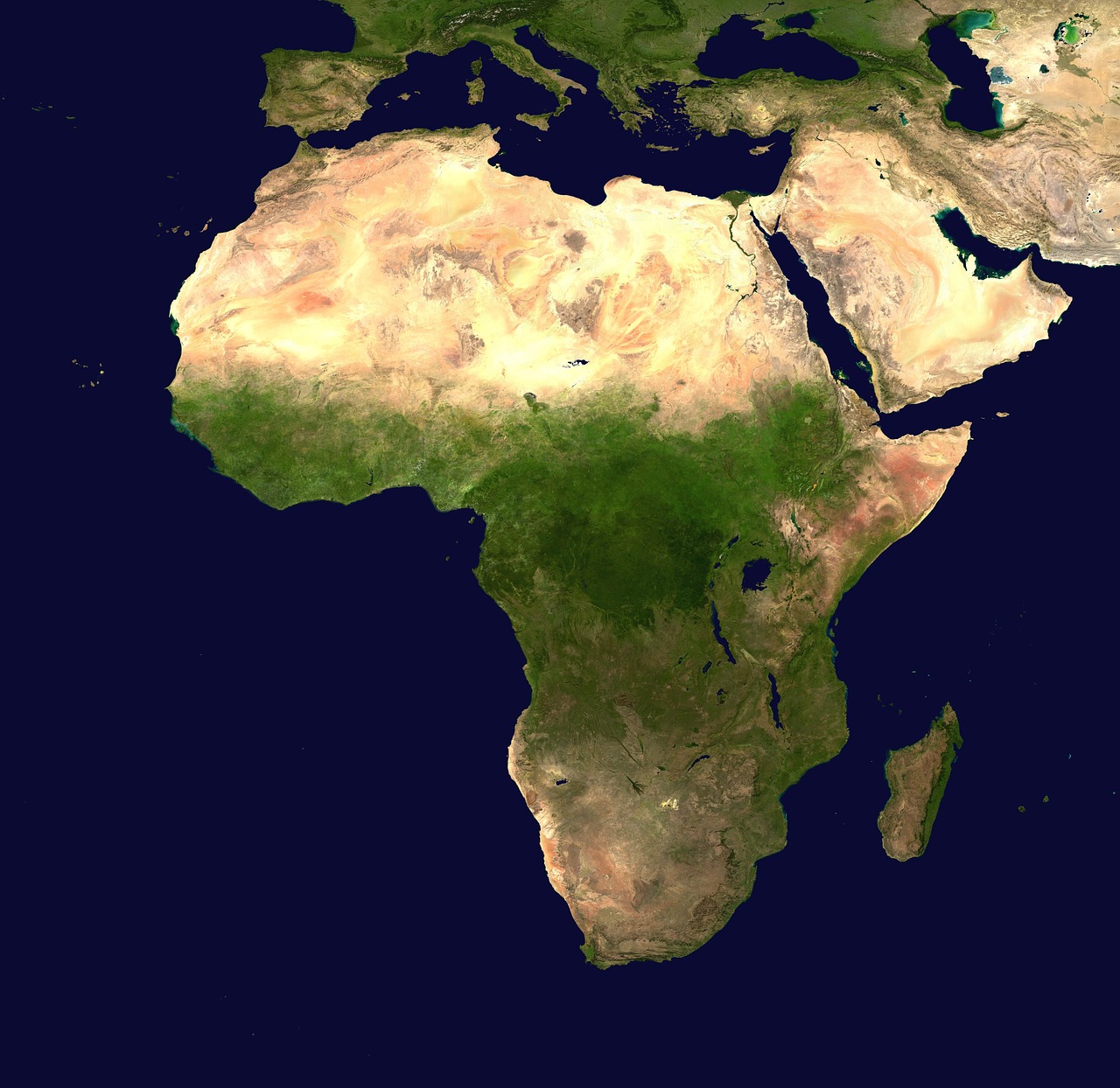
The threat posed by EVD is significant due to its high fatality rate, rapid progression, and the ease with which it spreads in communities with poor sanitation and healthcare resources. While EVD has not been reported in North Africa, the region is vulnerable because of porous borders, migration, and travel from affected countries. Furthermore, neighboring West African nations have faced EVD outbreaks, which could potentially lead to cases spilling over into North Africa.
It’s worth noting that the potential for EVD transmission in North Africa is not limited to direct contact with infected individuals. The virus can also be spread through indirect means, such as contaminated surfaces or objects, and even through airborne transmission in some cases.
Ebola’s Indirect Impact on North Africa
North African countries have experienced an indirect impact from the EVD outbreaks through economic, social, and political repercussions. Economically, trade disruptions due to travel restrictions and border closures in affected regions can have far-reaching consequences.
Socially, misinformation about EVD can lead to stigmatization of individuals perceived to be from affected countries or those who have traveled there. This can have devastating effects on communities and individuals, particularly if they are already vulnerable due to poverty, lack of access to healthcare, or other factors.
Politically, governments in the region may need to allocate resources to address potential outbreaks and protect their citizens. This could involve strengthening public health infrastructure, increasing awareness about EVD symptoms and prevention measures, and developing emergency response plans.
Assessing the Risk for North African Countries
The risk of EVD transmission in North Africa is considered low but not zero. Factors influencing this risk include:
- The presence of migrants or travelers from affected countries, which can increase the likelihood of virus introduction and spread.
- Inadequate healthcare infrastructure and resources to manage EVD cases, which can lead to delays in diagnosis and treatment.
- Lack of awareness about EVD symptoms, transmission routes, and prevention measures, which can contribute to the spread of misinformation and potentially increase the risk of transmission.
Prevention Measures for Ebola
Effective prevention strategies are crucial in reducing the risk of EVD transmission. Some key steps include:
- Avoiding direct contact with blood, secretions, organs, or other bodily fluids of infected people.
- Wearing protective clothing, including gloves and masks, when caring for EVD patients or handling their contaminated items.
- Ensuring proper hygiene practices such as washing hands with soap and water frequently, especially after contact with infected individuals or their environments.
- Avoiding close contact with people who are sick with EVD-like symptoms, even if they do not have a confirmed diagnosis.
Safety Guidelines for North African Travelers
If traveling to countries with EVD outbreaks, it is essential to take precautions. Some recommended steps include:
- Avoiding contact with sick individuals or animals (particularly monkeys, bats, and non-human primates).
- Practicing good hygiene by washing hands regularly with soap and water or using hand sanitizer.
- Avoiding the consumption of undercooked meat and unpasteurized dairy products from potentially infected animals.
A Call to Action: Stay Informed and Prepared
While EVD is not currently prevalent in North Africa, it is crucial that we remain vigilant and prepared. Familiarize yourself with the symptoms of EVD, follow travel advisories from local health authorities, and stay informed about outbreaks in affected countries.
By staying informed and adhering to prevention measures, we can help protect ourselves, our families, and our communities from the threat of Ebola. Let’s work together to maintain a safe and healthy North Africa.
You might also enjoy
Related Articles
- Ebola Concerns in North Africa: A Comprehensive Guide for the Maghrebi Diaspora
- Highlighting the Influence of Contemporary Muslim Fashions in North Africa on Global Trends: De Young Exhibit Showcases Maghrebi Diaspora’s Impact
- Reviving Al-Andalus Cultural Heritage in North Africa: A Call to Action for the Maghrebi Diaspora
- Robots Revolutionizing the Clothing Industry in North Africa: A Game Changer for the Maghrebi Diaspora
- Journey Through North Africa: Remarkable Destinations for Your Next Vacation