Celebrating Eid in Style: A Guide to Traditional Moroccan Eid Dishes
Welcome to this culinary journey through the flavors of Morocco! As we approach the joyous festival of Eid al-Fitr, let’s take a trip down memory lane and explore some mouth-watering traditional Moroccan dishes that are not only delicious but also deeply rooted in our cultural heritage. In this guide, we’ll delve into the world of Moroccan cuisine, exploring the rich flavors, aromas, and textures that make these dishes so special.
Harira: The Traditional Moroccan Soup
A warm and comforting bowl of Harira is the perfect way to start your Eid celebration. This classic Moroccan soup is a staple in many Moroccan households during Ramadan and Eid al-Fitr. Made with a blend of aromatic spices, including cumin, paprika, and coriander, Harira is a flavorful and nourishing dish that will satisfy even the most discerning palates.
To make Harira, simply combine 1 cup of cooked lentils, 1 cup of chopped tomatoes, 1/2 cup of chopped onions, 1/4 cup of olive oil, and 2 cups of water in a large pot. Add your choice of spices and simmer for at least an hour to allow the flavors to meld together. Serve hot, garnished with fresh cilantro and lemon wedges.
Whether you’re cooking for a small gathering or a large feast, Harira is a versatile dish that can be easily scaled up or down. Its comforting aroma will fill your home and set the tone for a joyous celebration with loved ones.
Bastilla: The Royal Moroccan Pie
Bastilla, also known as pastilla or b’stilla, is a flaky, layered pie that showcases the culinary ingenuity of Moroccan cuisine. This traditional dish is often made with squab (young pigeon), but you can easily substitute chicken or vegetarian alternatives like chickpeas or potatoes.
The secret to a perfect Bastilla lies in its crispy, paper-thin layers of filo pastry, which encase the delicious filling. To make this show-stopping pie, simply layer 1 package of filo dough with your chosen filling, finishing with a layer of melted butter on top. Bake at 350°F (180°C) for about 30 minutes or until golden brown. Sprinkle with powdered sugar and cinnamon before serving.
Bastilla is sure to impress your guests and evoke memories of our cherished homeland. Its rich flavors and textures will make it a centerpiece of your Eid celebration, surrounded by loved ones.
Couscous: The Staple Moroccan Dish
No Moroccan feast would be complete without couscous! This tiny semolina grain, steamed and fluffed into a light, porridge-like dish, serves as the foundation for various Moroccan dishes. Whether you’re serving a meat-based couscous with chicken or lamb, or a vegetarian option, this versatile grain is sure to satisfy even the most discerning palates.
To make a hearty seven-vegetable couscous, simply combine 1 cup of couscous with 2 cups of boiling water and let it sit for about 10 minutes. Then, fluff with a fork and add your choice of vegetables, such as carrots, peas, and zucchini. Season with cinnamon, ginger, and salt to taste.
Couscous is an integral part of Moroccan cuisine and culture. Its mild flavor and fluffy texture make it the perfect base for your Eid celebration dishes.
Mint Tea: The Perfect Accompaniment
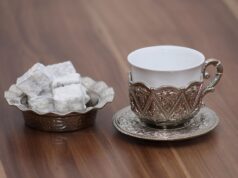
No Moroccan meal would be complete without a refreshing cup of mint tea! This traditional beverage is an essential part of the Moroccan dining experience, and its soothing aroma will complement any of the dishes outlined in this guide.
To make mint tea, simply combine 1/4 cup of fresh mint leaves with 2 cups of boiling water. Add sugar to taste and let it steep for at least 10 minutes to allow the flavors to meld together. Serve hot or cold, depending on your preference.
Mint tea is a staple in Moroccan households and will bring a sense of nostalgia and comfort to your Eid celebration. Its refreshing aroma will cut through the richness of the other dishes, making it the perfect accompaniment to any meal.
Bakhbouz: A Sweet Ending
As the meal draws to a close, it’s time for dessert! Bakhbouz, a Moroccan almond cookie filled with dates and honey, is the perfect sweet treat to cap off your Eid celebration. These delicate cookies are both crunchy and sweet, making them an ideal companion to your mint tea.
To make Bakhbouz, simply mix 1 cup of almond flour, 1/2 cup of sugar, 1/4 teaspoon of baking powder, and a pinch of salt in a bowl. Add water and rosewater, forming a dough-like consistency. Roll out the dough thinly and cut into small circles. Fill each circle with a date and honey mixture, then seal the edges by pinching them together.
- Mix almond flour, sugar, baking powder, and salt in a bowl.
- Add water and rosewater, forming a dough-like consistency.
- Roll out the dough thinly and cut into small circles. Fill each circle with a date and honey mixture, then seal the edges by pinching them together.
Call to Action
As you prepare for Eid al-Fitr, we invite you to celebrate not only the joyous occasion but also our shared heritage. Gather your loved ones around a table laden with these traditional Moroccan dishes and create lasting memories as you honor your roots.
Bon appétit! May the flavors of Morocco bring warmth and joy to your Eid celebration.
You might also enjoy
Related Articles
- Kaab el Ghzal: A Traditional Moroccan Recipe for Ramadan Nights
- Reviving Tradition: A Step-by-Step Chebakia Recipe for Celebrating Ramadan
- Sellou (Sfouf) Recipe: The Moroccan Ramadan Superfood
- Celebrating Moroccan Eid: Delightful Cookies and Sweets to Bake Before Eid
- A Delightful Journey through Moroccan Briouat with Honey and Almonds — A Traditional Ramadan Treat for the Maghrebi Diaspora