In the vibrant heart of multicultural London, where international flavours and aromas mingle with the sounds of languages spoken from around the world, a culinary revolution is taking root. A generation of UK-born Maghrebi chefs and food enthusiasts are reimagining traditional Tunisian and Moroccan dishes, bringing authentic flavours to London’s table while honouring their roots. This article serves as a celebration of that movement – a journey through the rich cultural heritage, the rise of Maghrebi chefs, and the rediscovery of beloved recipes.
A Rich Culinary Heritage
Tunisian and Moroccan cuisine share a rich history rooted in Berber and Arabic influences, with the Mediterranean Sea providing a bounty of seafood, olives, and citrus fruits. Influenced by centuries of Ottoman, French, and Spanish rule, these diverse cultures have evolved their own distinctive styles. From Tunisia’s fragrant harissa and souk-fresh seafood to Morocco’s warm spices and fluffy couscous, London’s food scene is a playground for exploring these flavours – a sensory journey that will transport you to the sun-kissed streets of North Africa.
The Rise of Maghrebi Chefs
Within the diaspora, there’s a growing pride in their heritage. A new generation of chefs and home cooks are eager to share these flavours with Londoners, blending tradition with modern techniques. Restaurants like Souk Medina, Morito, and Karamel Kitchen serve dishes that pay homage to their origins while appealing to contemporary tastes. As Maghrebi chefs take centre stage, they’re not only showcasing their culinary expertise but also sharing stories of resilience, adaptability, and the unbreakable bonds between food, culture, and identity.
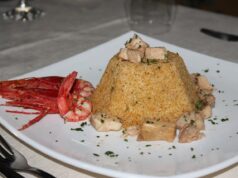
Tunisian Chicken Makloube (Upside Down Chicken)
Ingredients (serves 4)
- 600 g boneless, skinless chicken breasts – the foundation of this iconic dish
- 3 large aubergines – sliced into thin strips for added texture and visual appeal
- 1 large onion – sautéed until translucent to bring out its natural sweetness
- 2 cloves garlic – minced to release their aromatic compounds
- 3 tbsp olive oil – a staple in Maghrebi cuisine, used to enhance the dish’s richness and depth
- 1 tbsp harissa paste – adding a slow-building heat that complements the chicken’s natural flavours
- 1 tsp ground cumin – warming spices that evoke the aromas of North Africa
- Salt and black pepper to taste – used sparingly, as these chefs know the importance of balance in their dishes
- 4 cups chicken stock – a vital component for tenderizing the rice and absorbing the bold flavours
- 4 cups basmati rice – a classic choice that pairs perfectly with the dish’s warm, aromatic spices
- Juice of 2 lemons – adding a burst of citrusy freshness to cut through the richness
- 1 cup chopped fresh coriander – providing a fragrant, herbaceous note that complements the dish’s bold flavours
- 1 tbsp chopped parsley – adding a pop of colour and freshness to the dish’s presentation
- ½ tsp ground turmeric – contributing its signature warm, golden hue and subtle bitterness
- 1 tsp sugar – balancing the dish’s flavours by offsetting the acidity from the lemons and the heat from the harissa
Step-by-Step Instructions
Prep time: 30 minutes | Cook time: 45 minutes | Difficulty: Medium
- Prepare the chicken: season the chicken with salt, pepper, and harissa paste. Heat a large frying pan over medium heat, add 2 tbsp olive oil, then sear the chicken on both sides until golden brown, about 5 minutes total. Remove from pan and set aside.
- Prepare the rice: rinse the basmati rice under cold water until the water runs clear. In a large saucepan, heat 1 tbsp olive oil over medium heat. Add the chopped onion and garlic, cook until softened, about 5 minutes. Stir in the cumin, turmeric, and sugar. Add the rinsed rice, stir to coat, then add the chicken stock.
- Layer the dish: cut the aubergines into thin slices lengthwise. Start with a layer of aubergine slices on the bottom of a large, deep skillet or casserole dish. Top with half of the rice, followed by the seared chicken breasts, remaining rice, and finally a final layer of aubergine. Pour any juice from the pan over the top.
- Cook the makloube: cover the skillet with a tight-fitting lid or foil, then cook over low heat for 30 minutes, until the chicken is cooked through and the rice is tender. Remove from heat and let stand for 10 minutes before flipping onto a serving platter.
- Finish with flavour: squeeze the lemon juice over the makloube, then scatter with fresh coriander and parsley.
Tips for Success
- Choose a large skillet or casserole dish that allows the layers to be distinct yet compact – this will help the rice cook evenly and prevent it from becoming too mushy
- Season each layer with salt and pepper as desired for maximum flavour – don’t be afraid to add your own personal touch to this beloved recipe
- Experiment with different harissa pastes — some are spicier than others, so find the one that suits your taste buds best
Variations
For a vegan version, replace the chicken with chickpeas or tofu – these plant-based alternatives will absorb the bold flavours and textures of the dish without sacrificing its essence. In Morocco, makloube is often made with lamb instead of chicken, adding a rich, gamey depth to the dish.
Serving and Presentation
Serve Tunisian Chicken Makloube hot, garnished with a sprig of fresh coriander or parsley – this will add a pop of colour and freshness to the dish’s presentation. Accompany with a dollop of yogurt, a green salad, or harissa on the side – these options will provide a cooling contrast to the rich, spicy flavours.
Conclusion
Tunisian and Moroccan cuisine is more than just food – it’s a cultural legacy that binds us to our roots. By reviving traditional dishes in London’s kitchens, these talented chefs are not only preserving their heritage but also enriching London’s culinary landscape. As you sit down to enjoy this beloved recipe, remember the stories behind each dish, the love and care that goes into its preparation, and the unbreakable bonds between food, culture, and identity.
You might also enjoy
Related Articles
- Unveiling Authentic Tunisian and Moroccan Cuisine in Bradford: A Culinary Journey for the Maghrebi Diaspora
- Authentic Tunisian Cuisine in Marseille: A Culinary Journey for Maghrebi Diaspora Readers
- Reviving South Tunisia’s Culinary Heritage with Malek Labidi: A Call to Action for Maghrebi Diaspora
- Quick Mediterranean Couscous: A Nutritious and Authentic Recipe for Algerian, Tunisian and Moroccan Diaspora
- Celebrating Eid al-Fitr with 33 Authentic Maghrebi Recipes: A Culinary Journey Through the Maghreb