A Delightful Journey through Moroccan Briouat with Honey and Almonds — A Traditional Ramadan Treat for the Maghrebi Diaspora
Welcome to this culinary odyssey, fellow travelers of the Maghrebi diaspora! Today, we embark on a mouthwatering adventure to explore one of the most cherished desserts of our shared heritage: Moroccan Briouat with Honey and Almonds. This delightful pastry is not only a staple during the holy month of Ramadan but also a symbol of unity, love, and tradition that transcends geographical boundaries, bringing us closer together as we break bread (or in this case, break fast) with loved ones.
The Origins of Moroccan Briouat
As we delve into the rich history of Moroccan Briouat, let’s take a step back in time to ancient Morocco, where the art of pastry making was introduced by Arab traders who brought their expertise from the Middle East. Over time, this treat has evolved into various regional versions, each with its unique flavors and techniques, but all sharing a common love for this delicate, flaky pastry that has captured the hearts of many.
The name Briouat is thought to originate from the Arabic word ‘br’, which means ‘to wrap,’ fittingly describing the process of wrapping filling inside layers of dough. This artful process requires patience, precision, and a gentle touch, making it a true labor of love for those who master it.
Today, Moroccan Briouat has become a beloved treat across the Maghrebi region and beyond, captivating the hearts of many with its irresistible taste and beautiful presentation. Its allure extends far beyond the boundaries of our shared heritage, transcending cultures and borders to bring people together in a shared love for this delightful pastry.
The Essence of Traditional Filling: Honey and Almonds
One of the most popular fillings for Moroccan Briouat is a harmonious blend of honey and almonds. The sweet, thick nectar of honey complements the nutty flavor of almonds, creating a symphony of taste that is both comforting and invigorating. This classic combination has stood the test of time, with its unique flavors and textures working together in perfect harmony to tantalize our taste buds.
Traditionally, the honey used in Briouat is derived from local bees foraging on various flowers, which gives it a unique, complex flavor profile that adds an authentic touch to the dessert. This homemade honey is a vital component of Moroccan Briouat’s identity, further enhancing its appeal and sense of cultural heritage.
Almonds, another essential ingredient, are carefully ground to achieve the perfect texture – not too coarse and not too fine. Their nutty aroma envelops the pastry, tantalizing our senses with each bite and evoking memories of warm summer days spent picnicking in the countryside or sharing laughter around the dinner table.
The Art of Pastry Making: Rolling and Filling
Making Moroccan Briouat is an art that requires patience, precision, and a gentle touch. The dough is typically made from a blend of semolina, water, and oil, which is kneaded until it becomes smooth and elastic. This labor-intensive process is a testament to the dedication and love that goes into creating this delightful pastry.
After the dough has rested, it’s rolled out into thin sheets, with care taken to maintain its delicate texture. The filling – honey and almond mixture in this case – is then spread evenly over one of the sheets before another layer of dough is placed on top. This intricate process requires a deep understanding of the art of pastry making and a willingness to learn from experience.
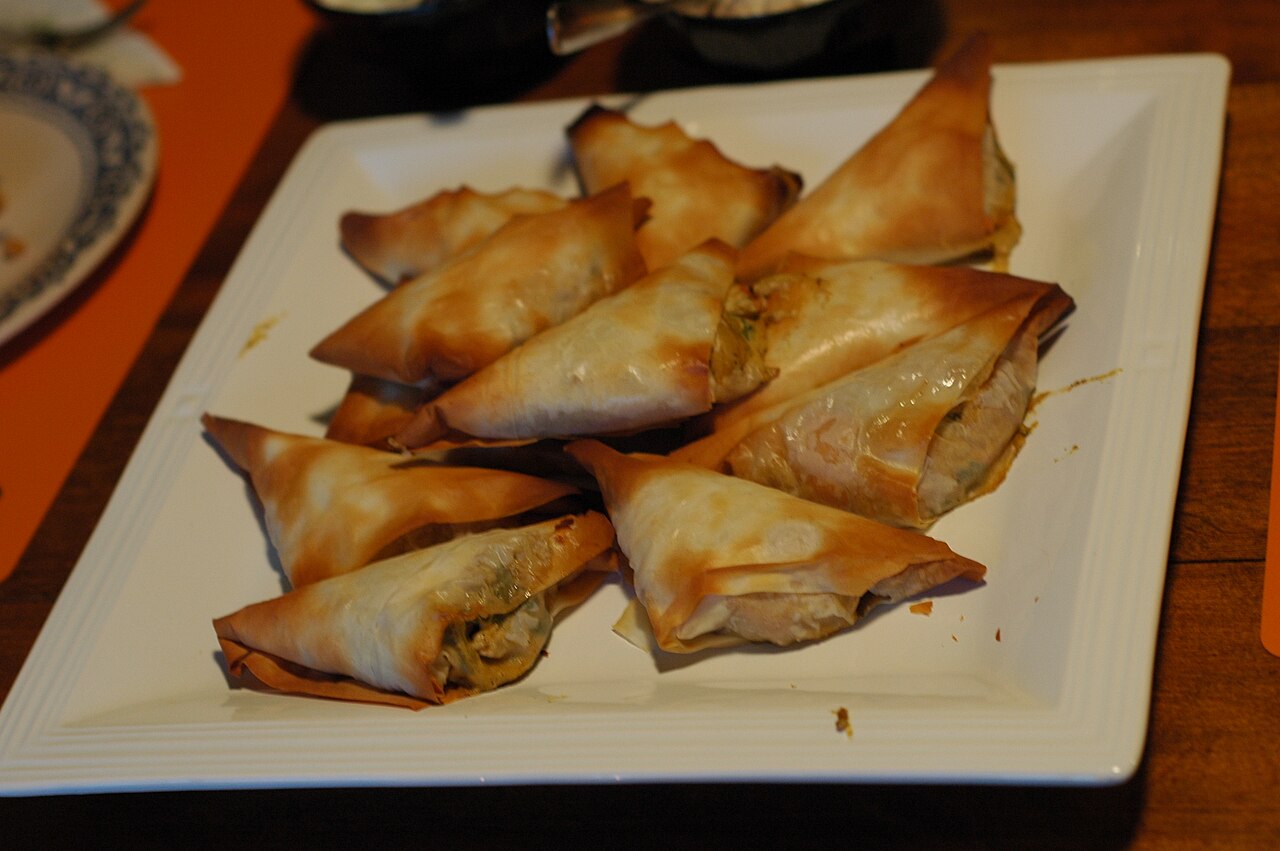
The assembled pastries are then fried in oil until they reach a golden-brown perfection, releasing a sweet aroma that fills the air and beckons us to take a bite. The combination of crispy exterior and flaky interior is nothing short of magical, making every mouthful a delight for the senses.
Serving and Sharing Moroccan Briouat
Moroccan Briouat with Honey and Almonds is traditionally served during Iftar, the breaking of the fast at sunset during Ramadan. The warm, flaky pastries are a welcome treat after a long day of fasting, providing both sustenance and comfort for body and soul.
Sharing Briouat with family and friends is an integral part of its tradition. The dessert is passed around the table, each person taking a piece to savor the sweet flavors and cherished memories. This act of sharing is not only a testament to our cultural heritage but also a powerful tool for building connections between people.
Briouat not only satisfies our appetite but also fosters connections between people, serving as a testament to the power of food in bringing us together. Whether we’re celebrating special occasions or simply enjoying each other’s company, Moroccan Briouat is always there to bring us closer together.
Reviving the Tradition: A Call to Action
As members of the Maghrebi diaspora, let us carry forward our cherished traditions by sharing Moroccan Briouat with Honey and Almonds with our loved ones. Whether you’re preparing it for a special occasion or simply for enjoyment, this delightful treat will undoubtedly evoke memories of home and the warmth of our shared heritage.
Join us in celebrating the beauty of Moroccan cuisine by embracing its traditions and passing them down to future generations. Let’s keep the spirit of Ramadan alive, one Briouat at a time, as we come together to share in the joys of food, family, and cultural heritage.
You might also enjoy
Related Articles
- Laylat al-Qadr 2026: A Comprehensive Guide for the Maghrebi Diaspora on Maximizing the Last 10 Nights of Ramadan
- Balanced Eating During Ramadan: A Comprehensive Guide for Maghrebi Diaspora
- Kaab el Ghzal: A Traditional Moroccan Recipe for Ramadan Nights
- Experience Authentic Moroccan Villa Hammam: A Guide for Maghrebi Diaspora Travelers
- Discovering Essential Oils Used for Beauty in the Maghreb: A Comprehensive Guide for the Maghrebi Diaspora