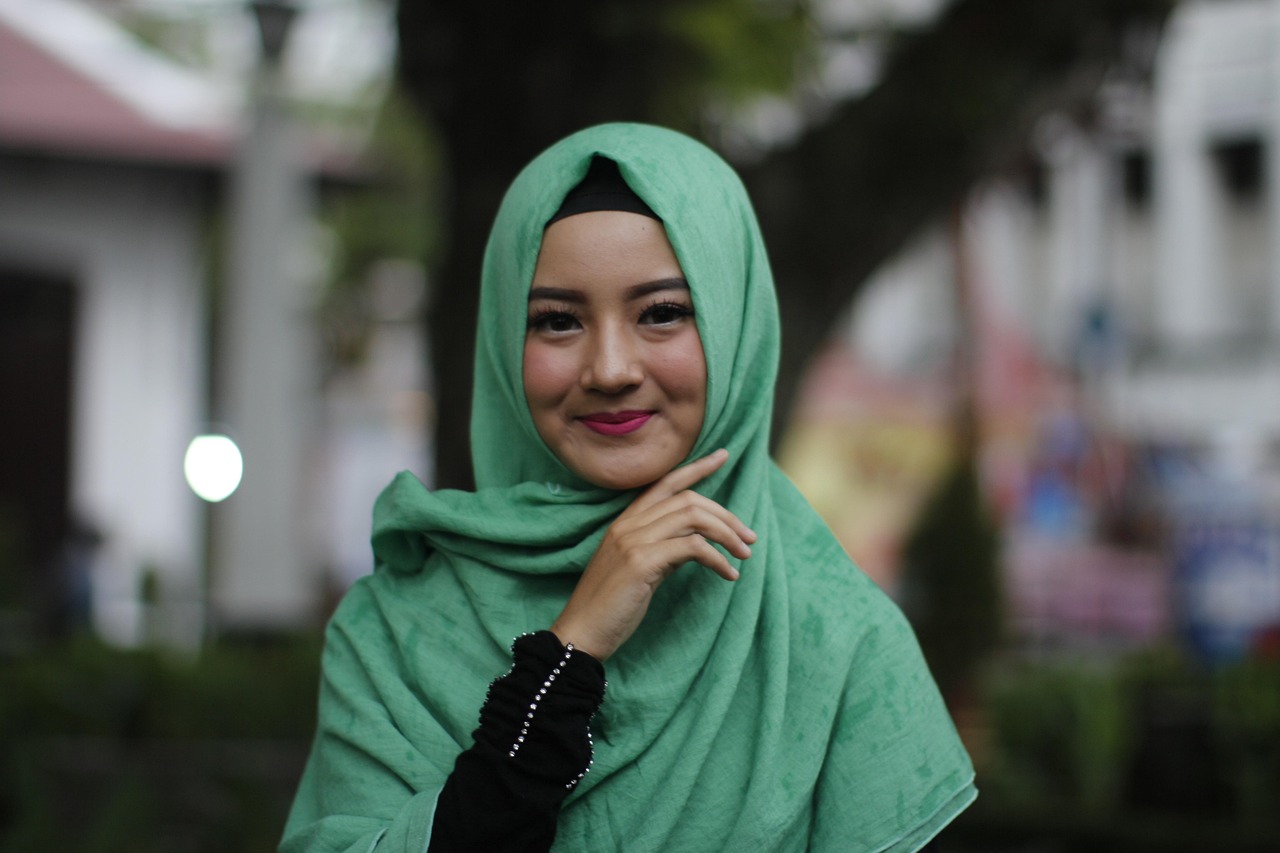
Modest Fashion in Academia: A Delicate Balance Between Tradition and Innovation
In today’s increasingly interconnected world, cultural exchange is an inevitable byproduct of globalization. For the Maghrebi diaspora, this fusion of cultures has given rise to a unique blend of traditional styles and Western trends, particularly in the realm of modest fashion. This article aims to delve into the intricate interplay between these two worlds, shedding light on the evolution of modest fashion within academia.
Understanding the Roots: Traditional Maghrebi Styles
The rich cultural heritage of the Maghreb region is deeply rooted in religious beliefs, local customs, and climate conditions. Traditional Maghrebi styles are not only a reflection of this cultural identity but also a testament to the region’s history and resilience.
Take, for instance, the djellaba – a loose robe worn by both men and women – which is a symbol of North African identity originating from Morocco. The burnous, a rectangular-shaped cape or shawl, is another popular traditional attire found across the Maghreb region. These garments not only served as a means of expressing social status and identity within communities but also played a crucial role in daily life, providing modesty and comfort.
Historically, traditional Maghrebi styles were characterized by their simplicity, functionality, and attention to detail. The use of vibrant colors, intricate embroidery, and rich textiles was a hallmark of these garments, which often told stories of cultural heritage and community.
The Arrival of Western Trends
The arrival of European colonizers brought significant changes to the Maghreb region, including shifts in fashion trends. Western clothing, such as blouses, jeans, and dresses, became increasingly popular, particularly among urban populations.
However, this influx did not necessarily replace traditional Maghrebi styles. Instead, a unique blend of the two began to emerge, with many individuals incorporating elements from both cultures into their wardrobes. This fusion was often driven by practical considerations, such as adapting Western fabrics and designs to suit local climates and customs.
This blending of styles was particularly prevalent in urban areas, where young people sought to express their modernity and embrace global trends while still maintaining their cultural identity. The resulting fashion hybrids were a testament to the region’s adaptability and creativity in the face of cultural exchange.
The Role of Academia
Academia played a pivotal role in the documentation, preservation, and promotion of traditional Maghrebi styles. Scholars and researchers have delved into the history, symbolism, and artistic qualities of these garments, shedding light on their cultural importance.
Furthermore, academic institutions have provided platforms for designers to showcase their creations that fuse traditional Maghrebi styles with contemporary Western trends, giving birth to a unique, modern take on modest fashion. These designs have captured the attention of both local and international audiences, highlighting the richness and adaptability of Maghrebi culture in the face of global influences.
The Influence on Fashion Education
Fashion education has also been impacted by this cultural exchange. Many institutions now offer courses focused on traditional Maghrebi styles, as well as courses that explore the intersection of Western and Maghrebi fashion trends.
These educational opportunities provide students with a deeper understanding of their cultural heritage and its evolution in the context of global fashion trends. Moreover, they equip students with the skills necessary to create innovative, culturally-relevant designs that cater to the needs and preferences of the Maghrebi diaspora.
The Future of Modest Fashion
The future of modest fashion within the Maghrebi diaspora is promising, with an increasing emphasis on sustainability, inclusivity, and cultural preservation. As academia continues to explore and promote traditional Maghrebi styles, we can expect to see a growing interest in these garments both locally and globally.
Furthermore, the fusion of Western and Maghrebi trends will likely continue to evolve, giving birth to new, unique expressions of modest fashion that cater to the diverse needs and preferences of the Maghrebi diaspora. This evolution is not only a reflection of cultural exchange but also a testament to the region’s resilience and adaptability in the face of global influences.
Conclusion: Celebrating Cultural Diversity
The interplay between Western trends and traditional Maghrebi styles offers a fascinating glimpse into the evolution of modest fashion within academia. By understanding this complex relationship, we can appreciate the rich cultural heritage of the Maghreb region while embracing its adaptability in the face of global influences.
As members of the Maghrebi diaspora, it is essential that we continue to celebrate and support the preservation of our traditional styles, while also encouraging innovation and creativity in fashion education. By doing so, we can elevate the status of modest fashion within the global fashion industry and foster a deeper appreciation for cultural diversity.
Join us in this journey of discovery and let’s work together to promote the beauty and richness of Maghrebi culture through the lens of modest fashion.
You might also enjoy
Related Articles
- Exploring the Evolution and Controversy Surrounding ‘Halal Lifestyle’ Townships in India: A Beacon for Maghrebi Diaspora?
- Unveiling the Rise of Modest Fashion: Insights from Western Academia and Contemporary Muslim Women
- Exploring Modern Muslim Women’s Fashion in the Maghreb: Empowering Trends Shaping a New Era
- Exploring Amazigh Culture’s Future Prospects in Morocco: A Journey for Maghrebi Diaspora Readers
- Revolutionary Voices: Exploring 8 Novels by Arab Women – A Maghrebi Diaspora Reader’s Guide