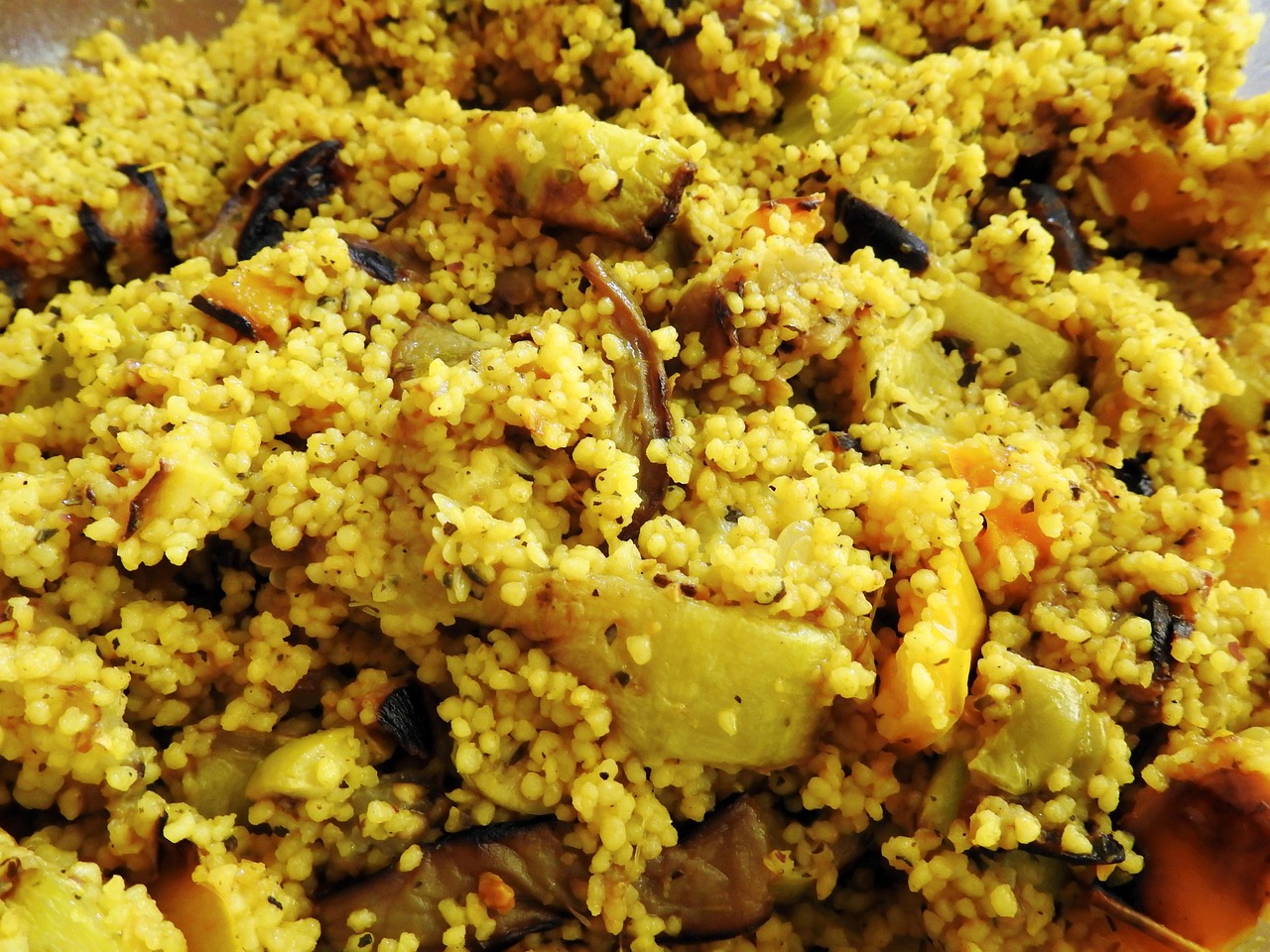
As the sun sets on special occasions, families across the Maghreb come together to share a steaming mound of couscous – a testament to their shared heritage and the unbreakable bonds between Algeria, Tunisia, and Morocco. For this unique Couscous F recipe, we’ve brought together flavors from all three countries to create a celebration that transcends borders.
History
Couscous has been an integral part of North African cuisine for over a thousand years, with origins tracing back to the Berber people. Each region has its own version – Moroccan couscous is known for its seven vegetables and lamb, Algerian couscous is spicier and often features merguez sausages, while Tunisian couscous typically includes fish or capers on the coast. This festive Couscous F recipe blends all these elements together to create a truly unified Maghrebi feast.
This dish has been passed down through generations, with each region adding its own unique twist. Moroccan cuisine is known for its bold flavors and spices, while Algerian and Tunisian cuisines are characterized by their use of rich, aromatic ingredients like merguez sausages and preserved lemons. By combining these elements, we’ve created a recipe that celebrates the shared heritage and traditions of the Maghreb.
Ingredients (serves 10)
- 800 g medium-grain couscous
- 3.5 kg bone-in lamb shoulder – cut into large chunks by your butcher
- 40 pieces merguez sausages
- 12 medium carrots – peeled and halved
- 12 medium courgettes – halved lengthways
- 6 medium turnips – peeled and quartered
- 800 g canned chickpeas – drained and rinsed
- 12 large tomatoes – quartered
- 7 large onions – finely chopped
- 8 tbsp olive oil
- 4 tbsp harissa paste
- 6 tsp ras el hanout
- 3 tsp ground coriander
- 2 tsp ground cumin
- 1 tsp ground cinnamon
- Salt and black pepper to taste
- Fresh coriander – a large handful, chopped
- Preserved lemons (optional)
Step-by-Step Instructions
Prep time: 1 hour | Cook time: 3 hours | Difficulty: Advanced
- Brown the lamb and merguez: heat olive oil in a large heavy pot or couscoussier over medium-high heat. Add the lamb pieces, merguez sausages, and brown on all sides – about 10 minutes for the lamb and 5 minutes for the sausages. Remove and set aside.
- Build the broth: in the same pot, fry the chopped onions until soft and golden, about 10 minutes. Add harissa paste, ras el hanout, coriander, cumin, cinnamon, salt, and pepper. Cook for another 2 minutes to allow flavors to meld.
- Add liquids: return the lamb, merguez, and any accumulated juices to the pot. Add 4 liters of water and the juice from preserved lemons (if using). Bring to a boil, then reduce to a gentle simmer.
- Slowly add vegetables in stages: after 1 hour of simmering, add carrots – they need the most time. After another hour, add courgettes and turnips. After the final hour, add chickpeas and tomatoes. Taste the broth and adjust seasoning.
- Prepare the couscous: place couscous in a large bowl, drizzle with 6 tbsp olive oil, and rub between your palms to coat each grain. Add 800 ml of warm salted water, stir, and leave to absorb for 15 minutes.
- Steam the couscous: place couscous in the top of the couscoussier and steam over the broth for 45 minutes. Remove, break up any clumps with a fork, add a knob of butter, and return to steam for another 15 minutes until perfectly fluffy.
Tips
- Never stir couscous while it steams – lift and fluff gently with a fork only after removing from heat
- If grains are clumping, add a tiny drizzle of olive oil and work it in with your fingertips
- The broth should be fragrant and slightly reduced – if it tastes thin, simmer uncovered 10 minutes before serving
- For Ramadan: make a double batch of broth – it reheats beautifully and improves overnight
- Leftovers keep 3 days in the fridge; store couscous and broth separately
Regional Variations
In Algeria, you may find more harissa or merguez sausages added to the dish. In Tunisia, fish or capers might be incorporated for a coastal twist. A quick weeknight version uses a whole rotisserie chicken instead of lamb – reduce the cooking time to 2 hours total.
Serving and Presentation
Serve the couscous mounded in a large communal dish, with merguez sausages nestled amongst the grains. Arrange vegetables on top of the couscous, and place lamb pieces around the rim of the dish. Ladle the broth into a separate bowl for guests to pour over as they like. Scatter fresh coriander over the top.
Conclusion
This unifying Couscous F recipe brings together flavors and traditions from across the Maghreb, perfect for a cultural gathering that celebrates shared roots and cherished memories. Share your photos of this festive meal in the comments below!
You might also enjoy
Related Articles
- Discover North Africa’s Culinary Delights: Explore Versatile Couscous-Based Recipes
- Celebrating Couscous, Uniting the Maghreb: Traditional Recipes for Festive Occasions
- Colorful Beef-and-Couscous Stuffed Baby Bell Peppers Recipe for a Delicious Maghrebi Meal
- Preserving Cultural Roots: Al-Andalus’ Influence on North African Heritage
- Unveiling Spiced Delights: The Diverse Couscous Recipes of North Africa