Here is the improved HTML article:
Title: Unveiling Spiced Delights: The Diverse Couscous Recipes of North Africa
Article:
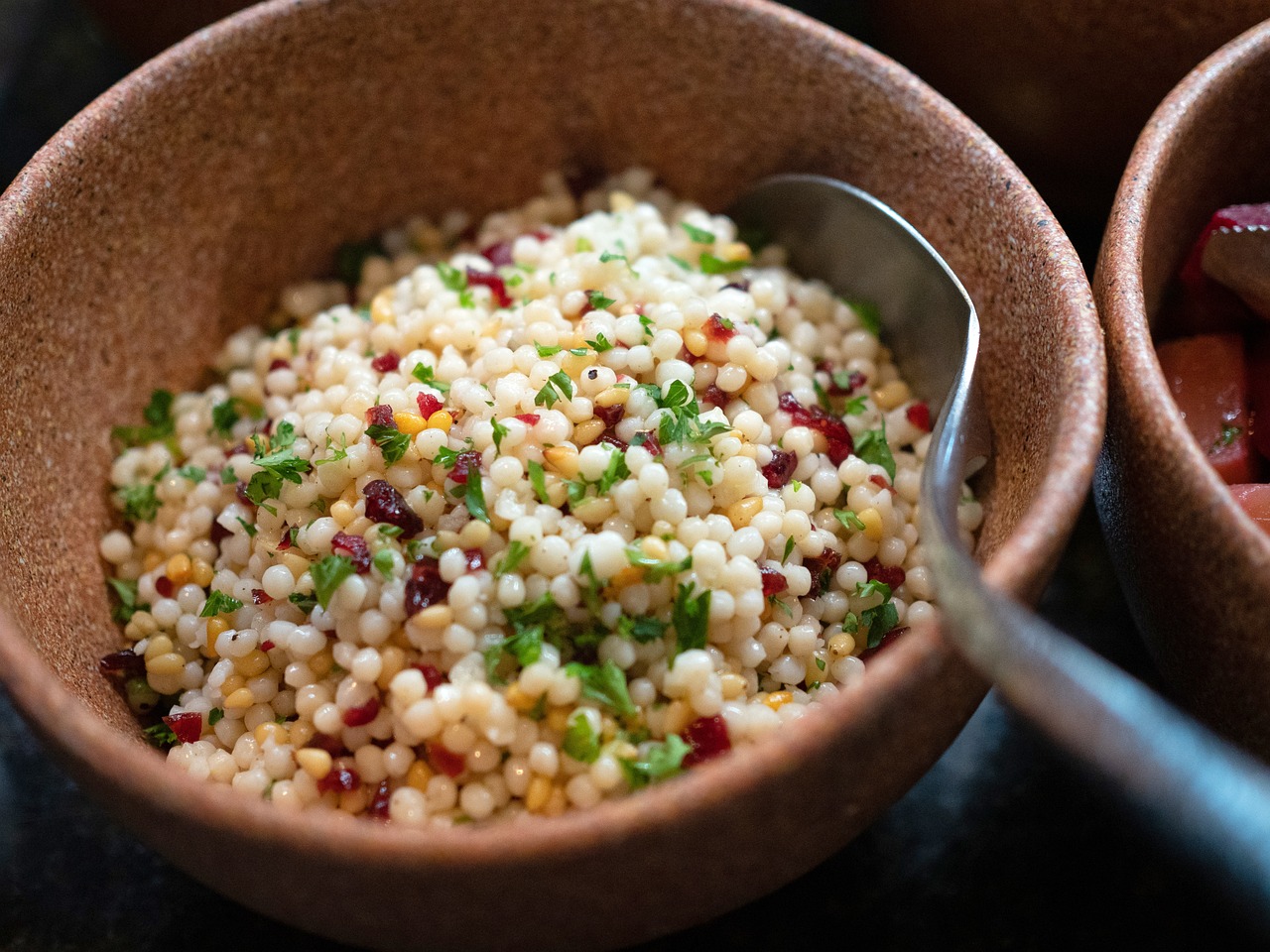
In a region where vibrant markets meet warm hospitality, couscous is more than just a dish – it’s an integral part of North African culture. This beloved grain staple has been passed down through generations, with each country and region adding its unique twist. As we explore the rich history and intricate nuances of this treasured tradition, you’ll discover why couscous remains at the heart of everyday life in Morocco, Tunisia, and Algeria.
Introduction
Couscous has been a cornerstone of Maghrebi cuisine for centuries. This tiny, granular semolina pasta is served with an astonishing array of flavors and textures that reflect each region’s unique culinary heritage. From tender lamb to vibrant vegetables and fragrant spices, this versatile dish has captivated both locals and travelers alike.
History
The origins of couscous date back over a thousand years to the Berber people. Over time, this ancient tradition has evolved and adapted with each region’s resources and influences. Moroccan couscous is renowned for its seven vegetable and lamb recipe, while Tunisian couscous often features fish and capers on the coast. Algeria offers a spicier variation with merguez sausages and harissa.
You might also enjoy
Related Articles
- Discover North Africa’s Culinary Delights: Explore Versatile Couscous-Based Recipes
- Maximizing Miles for Flights to the Middle East & North Africa: A Comprehensive Guide for Maghrebi Diaspora
- Call for Visual Art & Cultural Production Pitches in the Middle East and North Africa: A Platform for Maghrebi Talent
- Unveiling Opportunities for Cooperation between North Africa and Europe on Migration Policies: A Call to Action for the Maghrebi Diaspora
- Celebrating Tunisian Cuisine: Recipes, Traditions and Cultural Heritage
Moroccan Couscous
Ingredients (serves 6)
- 500 g medium-grain couscous
- 800 g bone-in lamb shoulder — cut into large chunks by your butcher
- 3 medium carrots — peeled and halved
- 3 medium courgettes — halved lengthways
- 2 medium turnips — peeled and quartered
- 400 g canned chickpeas — drained and rinsed
- 2 large tomatoes — quartered
- 1 large onion — finely chopped
- 4 tbsp olive oil
- 2 tsp ras el hanout
- 1 tsp ground coriander
- 1 tsp ground cumin
- ½ tsp ground cinnamon
- Salt and black pepper to taste
- Fresh coriander — a large handful, chopped
Step-by-Step Instructions
- Brown the lamb: heat olive oil in a large heavy pot over medium-high heat. Add the lamb pieces and brown on all sides, about 8 minutes total.
- Build the broth: in the same pot, fry the onion until soft and golden, about 5 minutes. Add the ras el hanout, cumin, coriander and cinnamon, stir for 30 seconds until fragrant. Return the lamb, add 1.5 litres of water, season generously with salt and pepper. Bring to a boil, then reduce to a gentle simmer.
- Add the vegetables in stages: after 30 minutes of simmering, add the carrots and turnips — they need the most time. After another 20 minutes, add the tomatoes, courgettes and chickpeas. Taste the broth and adjust seasoning.
- Prepare the couscous: place couscous in a large bowl, drizzle with 2 tbsp olive oil and rub between your palms to coat each grain. Add 300 ml of warm salted water, stir, and leave to absorb 5 minutes. Rake with a fork to separate grains.
- Steam the couscous: place couscous in a couscoussier or fine-mesh colander over the simmering broth, and steam for 20 minutes. Remove, break up any clumps with a fork, add a knob of butter, and return to steam a further 10 minutes until perfectly fluffy.
- Tips:
- Never stir couscous while it steams — lift and fluff gently with a fork only after removing from heat
- If grains are clumping, add a tiny drizzle of olive oil and work it in with your fingertips
- The broth should be fragrant and slightly reduced — if it tastes thin, simmer uncovered 10 minutes before serving
- For Ramadan: make a double batch of broth — it reheats beautifully and improves overnight
- Leftovers keep 3 days in the fridge; store couscous and broth separately
Tunisian Couscous
Ingredients (serves 6)
- 500 g medium-grain couscous
- 800 g whole sea bass or branzino — scaled and cleaned by your fishmonger
- 4 medium potatoes — peeled and quartered
- 2 large bell peppers — seeded and sliced
- 1 large onion — finely chopped
- 4 tbsp olive oil
- 3 tbsp harissa paste
- 2 tsp paprika
- 2 tsp ground cumin
- Salt and black pepper to taste
- Fresh parsley — a large handful, chopped
Step-by-Step Instructions
- Prepare the fish: season the fish inside and out with salt, pepper and paprika. Heat half of the olive oil in a large skillet over medium-high heat. Cook the fish until golden on both sides, about 8 minutes total.
- Cook the vegetables: in another pot, fry the chopped onion and bell peppers in the remaining olive oil until softened, about 5 minutes. Stir in harissa paste and cook for 1 minute.
- Prepare the couscous: place couscous in a large bowl, drizzle with 2 tbsp olive oil and rub between your palms to coat each grain. Add 400 ml of warm salted water, stir, and leave to absorb 5 minutes. Rake with a fork to separate grains.
- Steam the couscous: place couscous in a couscoussier or fine-mesh colander over the fish broth, and steam for 20 minutes. Remove, break up any clumps with a fork, add the cooked potatoes and chopped parsley, and return to steam a further 10 minutes until perfectly fluffy.