Navigating the Tunisian Fashion Scene: A Balance between European Influences and Regional Identity
Welcome to a captivating journey through the vibrant world of Tunisian fashion! As members of the Maghrebi diaspora, it’s essential to stay connected with our roots while embracing contemporary trends. This article delves into the fascinating fusion of European influences and regional identity that defines Tunisia’s unique style landscape.
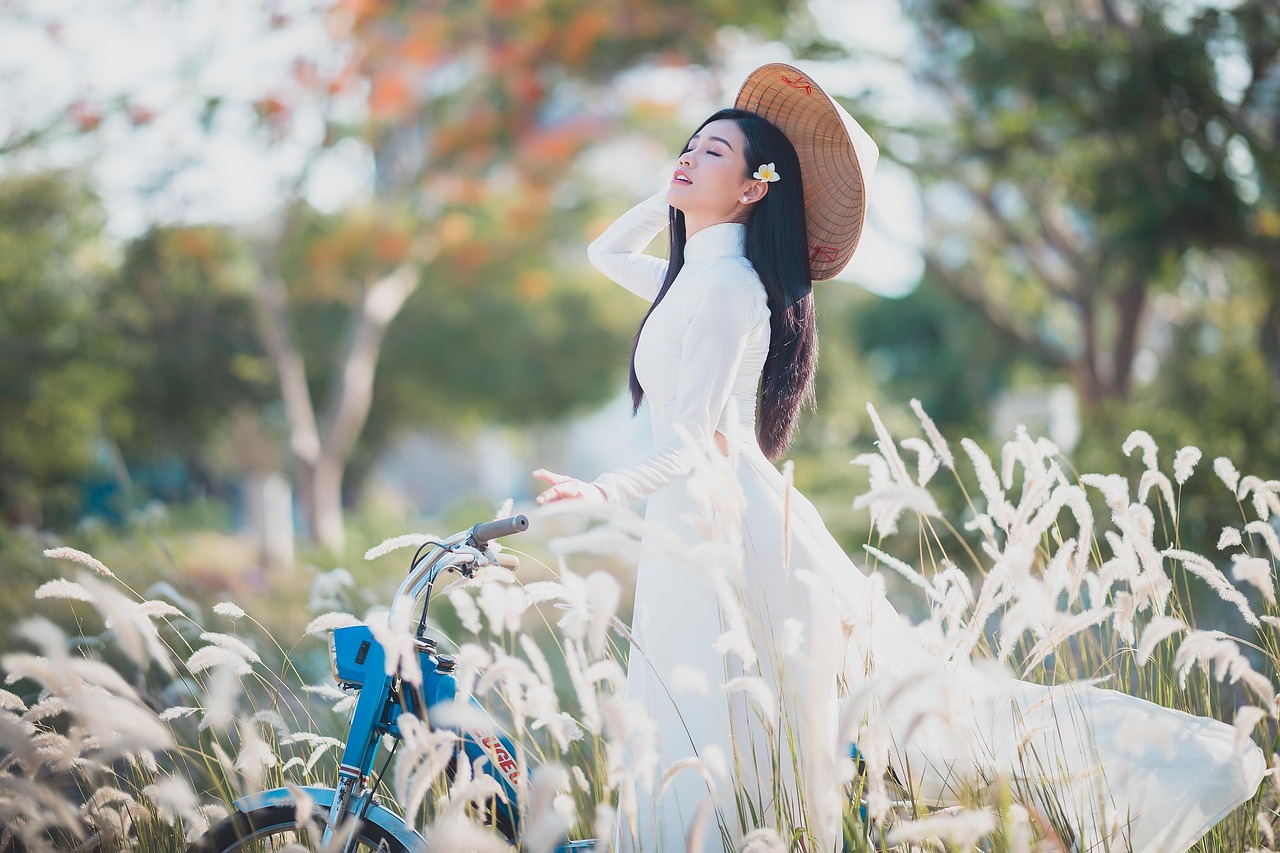
Immersed in a rich cultural heritage, Tunisian fashion is built upon ancient traditions that have evolved over time. From intricate Berber patterns to traditional dresses like the ‘Jellaba’ and ‘Chaabiyya’, these elements have been skillfully integrated into modern designs. For instance, the Jellaba – a traditional robe worn by men – has been reimagined in bold colors and unique fabrics, showcasing the country’s creative flair.
Tunisia’s history with various conquerors has resulted in a blend of Middle Eastern, Roman, and Ottoman influences, which are evident in the intricate embroidery, delicate lacework, and vibrant colors characteristic of Tunisian fashion. This cultural melting pot has given rise to a distinctive aesthetic that is both timeless and modern.
In recent years, these traditional motifs have been transformed into contemporary styles by innovative designers who are redefining the Tunisian aesthetic for a global audience. Designers like Aya Tanzor and Sliman Raïs have gained international recognition for their bold and imaginative collections that blend tradition with modernity.
Cultural Fusion: The Intersection of East and West
The Tunisian fashion scene is a perfect example of Eastern and Western cultures coming together, creating a truly unique style. European designers have long been inspired by Tunisia’s distinctive charm, incorporating its aesthetic into their collections. This fusion has given rise to a captivating blend of styles that is both familiar and exotic.
Local designers, in turn, have embraced this fusion, merging contemporary European styles with traditional Tunisian elements to create a fresh and captivating look. Designers like Marwa Khalil are using traditional Tunisian crafts to create beautiful, modern collections that showcase the beauty of local resources while reducing waste.
This cultural fusion is most evident in the booming ready-to-wear sector, where designers have been experimenting with bold colors, intricate patterns, and unique fabrics. The result is a style that is both rooted in tradition and forward-thinking, making it an exciting destination for both fashion enthusiasts and industry professionals.
Sustainable Fashion: Tunisia’s Eco-Conscious Movement
Tunisian fashion is not just about style; it’s also about sustainability. The country has a growing eco-conscious movement, with designers focusing on ethical production and recycling materials. This shift towards sustainability is not only environmentally friendly but also economically beneficial, as it helps to preserve traditional crafts and support local artisans.
Designers like Marwa Khalil are using traditional Tunisian crafts to create beautiful, sustainable collections that showcase the beauty of local resources while reducing waste. By embracing eco-friendly practices, designers can minimize their environmental impact while preserving Tunisia’s rich cultural heritage.
This shift towards sustainability is a call to action for the fashion industry as a whole. As consumers become increasingly aware of the environmental and social implications of fast fashion, designers like Marwa Khalil are leading the way in creating a more sustainable future for Tunisian fashion.
Tunisian Fashion Week: A Platform for Emerging Talent
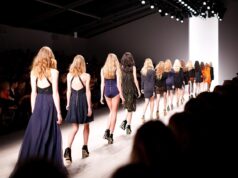
Tunisian Fashion Week is a significant event that showcases the best of Tunisian design to both regional and international audiences. The event provides a platform for emerging talent, giving them the opportunity to connect with industry professionals and buyers.
In recent years, Tunisian Fashion Week has gained recognition as one of the most important fashion events in the Arab world, further boosting Tunisia’s reputation on the global fashion stage. The event not only highlights the country’s rich cultural heritage but also its forward-thinking approach to fashion, making it an exciting destination for both designers and consumers alike.
Embracing Our Roots: A Call to Action
As members of the Maghrebi diaspora, we have a unique opportunity to support Tunisian fashion. By choosing to wear designs that celebrate our roots, we can help preserve traditional crafts and promote emerging talent.
We can make a difference by purchasing handmade accessories or supporting local designers who are committed to sustainability and cultural preservation. Every purchase makes a difference, whether it’s through buying a beautiful piece of jewelry or attending a fashion show that celebrates Tunisian culture.
Let’s embrace the beauty of Tunisian fashion and celebrate our shared heritage! By doing so, we can help preserve the country’s rich cultural heritage while promoting a more sustainable future for the fashion industry as a whole.
You might also enjoy
Related Articles
- Rising Tides: The Empowerment of Modest Fashion in Western Academia for Algerian, Tunisian, and Moroccan Diaspora
- Navigating Identity: The North African Diaspora in France – A Comprehensive Analysis
- A Photographer’s Sartorial Chronicle of Moroccan Youth Culture: Documenting the Evolving Fashion Scene
- Traveling Between Marrakech and Hamburg: A Comprehensive Guide for the North African and German Diaspora
- Vibrant Runways Illuminate Morocco Fashion Week 2026: A Testimony to North Africa’s Thriving Fashion Scene