MASA Festival: Morocco’s Cultural Diplomacy Across Africa and Beyond
The MASA (Moroccan Worldwide Arts and Sciences Association) Festival, held annually in Rabat, Morocco, is a remarkable event that showcases the rich cultural heritage of Morocco while fostering cultural diplomacy across Africa and beyond. This year, the festival, which took place on June 1-3, 2022, attracted thousands of participants from various African nations and the Maghrebi diaspora, making it a significant gathering for the promotion of Moroccan culture and unity among the Africans. In fact, the festival’s impact extends far beyond Morocco’s borders, serving as a testament to the country’s commitment to cultural exchange and cooperation.
A Glimpse into Morocco’s Cultural Heritage
The MASA Festival offered an enriching experience as visitors immersed themselves in various aspects of Moroccan arts, music, and science. The festival’s highlight was the exhibition of traditional Moroccan artworks, showcasing the country’s intricate craftsmanship that has been passed down through generations. From intricate tilework to beautifully embroidered textiles, each piece on display was a testament to Morocco’s rich cultural heritage.
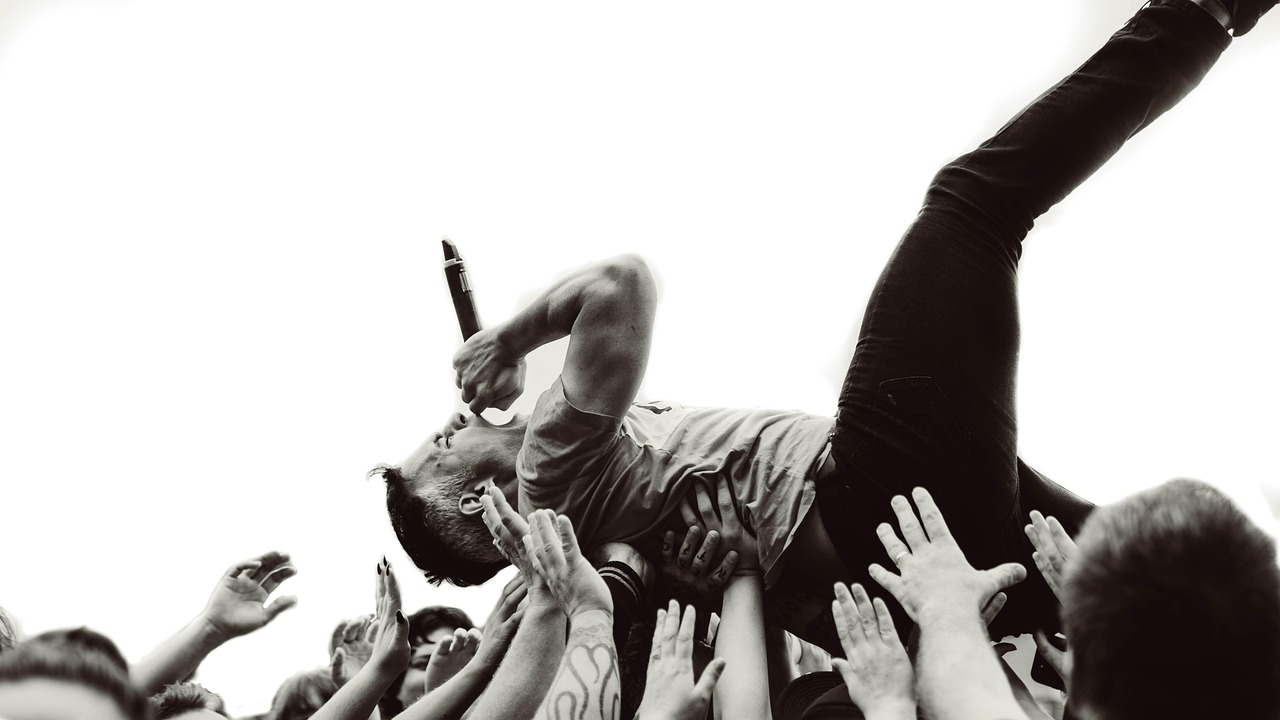
Furthermore, the festival featured a variety of musical performances that celebrated Morocco’s diverse music culture. From Gnawa music to Andalusian classical music, these performances showcased the country’s rich musical heritage and its fusion with various African and Mediterranean influences. Visitors were treated to mesmerizing displays of skillful drumming, soulful singing, and enchanting instrumental melodies.
In addition to arts and music, the festival also emphasized the importance of science in Moroccan society. Workshops and seminars were held on topics ranging from astronomy to biology, demonstrating Morocco’s commitment to scientific advancement and its desire to share this knowledge with other nations. The fusion of traditional and modern approaches to science was particularly striking, highlighting Morocco’s unique blend of ancient wisdom and innovative thinking.
Fostering Cultural Diplomacy Across Africa
The MASA Festival was more than just a celebration of Moroccan culture; it served as a platform for cultural diplomacy across Africa. Through the participation of artists, scientists, and delegates from various African countries, the festival aimed to promote mutual understanding, collaboration, and unity among African nations. By showcasing their own cultural heritage, participating countries were able to share their unique traditions and customs with the world.
The festival also offered opportunities for Moroccan artists to collaborate with their African counterparts, fostering cross-cultural exchange and encouraging artistic growth. These collaborations served as testaments to Morocco’s commitment to strengthening cultural ties across the continent. For instance, a group of Moroccan musicians collaborated with a group from Senegal to create a fusion of traditional Gnawa music and Senegalese sabar drumming.
Moreover, the MASA Festival provided a unique opportunity for African nations to showcase their own cultural heritage. Countries such as Senegal, Nigeria, and Kenya were represented through art exhibitions, musical performances, and traditional dance displays, offering festival attendees an expansive view of Africa’s rich cultural diversity. This cross-cultural exchange was truly empowering, highlighting the shared values and traditions that unite Africans across borders.
Beyond Africa: MASA Festival’s Global Reach
The MASA Festival’s influence extended beyond the African continent, attracting participants from as far away as North and South America, Europe, and Asia. The festival served as a testament to Morocco’s global cultural influence and its ability to foster cross-cultural exchange on an international scale. This global reach was particularly striking, highlighting Morocco’s status as a cultural ambassador for Africa.
The presence of delegates and artists from various countries allowed for the sharing of ideas, knowledge, and artistic techniques, fostering collaboration and mutual growth. Furthermore, these interactions served to strengthen Morocco’s diplomatic relations with other nations while promoting cultural understanding and unity worldwide.
One notable example was the collaboration between Moroccan artists and those from India, resulting in a fusion of traditional Indian music and Andalusian classical music. This collaboration not only showcased the beauty of both cultures but also served as a powerful symbol of cultural exchange and unity.
The Future of Cultural Diplomacy
The MASA Festival serves as an exemplary model for the power of cultural diplomacy in fostering mutual understanding, collaboration, and unity. By showcasing Morocco’s rich cultural heritage and promoting cross-cultural exchange, the festival has played a significant role in enhancing Morocco’s global influence.
As the world continues to grow more interconnected, events such as the MASA Festival become increasingly important. By fostering cultural diplomacy through arts, music, and science, these events serve to break down barriers, challenge stereotypes, and promote unity among nations. We believe that by embracing our shared humanity and celebrating our cultural diversity, we can build a brighter future for all.
We encourage all members of the Maghrebi diaspora to support such initiatives and participate in future MASA Festivals. By doing so, we can contribute to the promotion of Moroccan culture and the fostering of cultural diplomacy across Africa and beyond.
You might also enjoy
Related Articles
- Revitalizing Amazigh Culture in Morocco: Shifts in Identity and Traditions
- Collaboration Across Borders: Addressing Sub-Saharan Migration and Opportunities for North Africa and Europe
- Investigating Judeo-Amazigh Culture: An Exploration of Religious and Ethnic Synthesis in North Africa
- Cultural Diplomacy: Algeria’s Influence Abroad and the Maghrebi Diaspora
- Modern Moroccan Fashion Shines at Morocco Fashion Week 2026: A Celebration of Culture and Creativity