Bringing the Enchantment of Tangier Home: A Guide to Modern Moroccan Decor
Welcome, dear readers! As we embark on this journey through the captivating world of Moroccan design, let’s take a moment to appreciate the rich cultural heritage that Tangier embodies. With its blend of African, Arab, and European influences, Moroccan decor is a true reflection of the country’s unique history and charm. Today, we’ll delve into the world of modern Moroccan decor, exploring ways to incorporate timeless elements into your home while embracing contemporary design trends.
1. Embracing Textures: A Palette of Sensory Delights
Texture plays a pivotal role in Moroccan interior design, reflecting the diverse landscapes and artisanal traditions of this captivating nation. From hand-woven Berber carpets to intricately carved woodwork, these tactile elements add depth and warmth to any space. Imagine walking into a room that feels like a fusion of the desert’s soft sand dunes and the Atlas Mountains’ rugged peaks – that’s the magic of Moroccan textures.
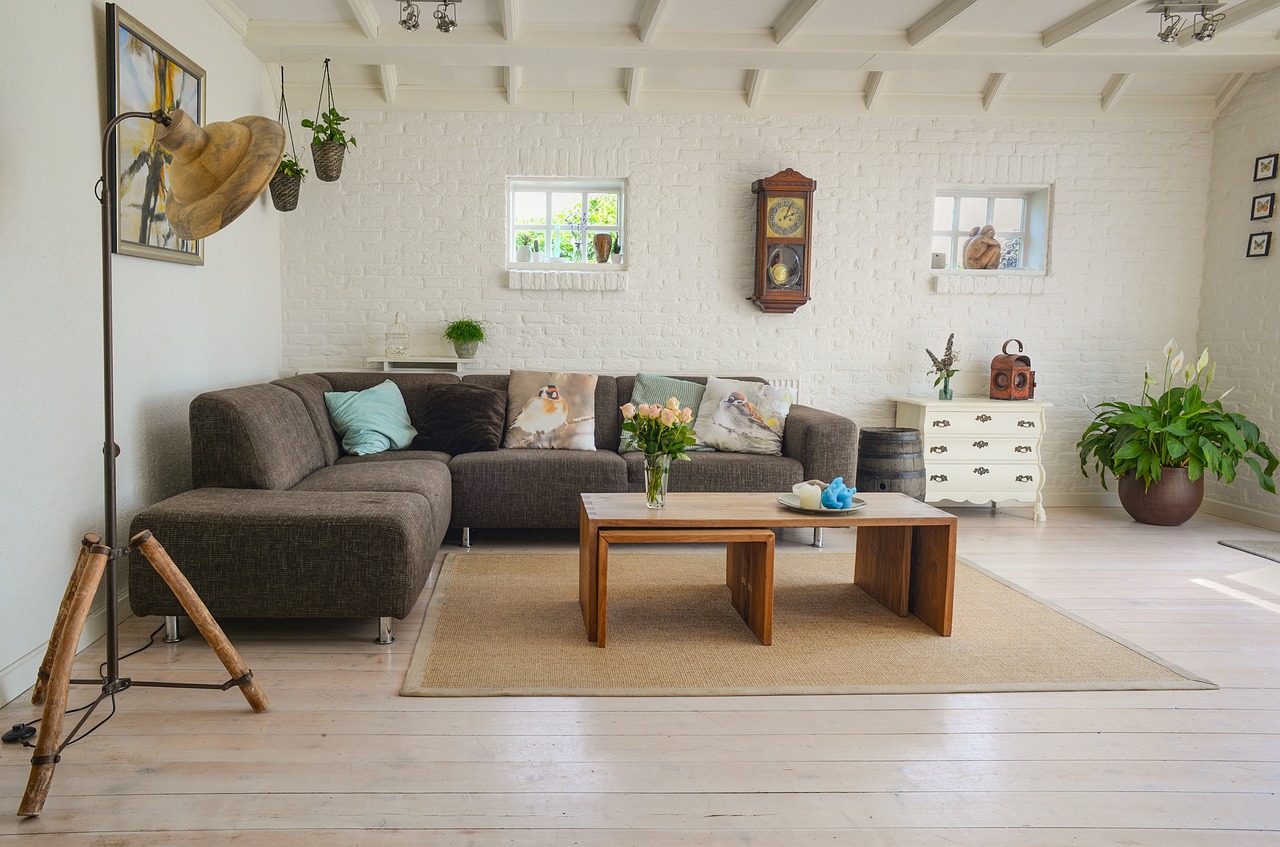
Incorporating Moroccan textures is as simple as introducing handmade rugs in rich earth tones or adding zellige tiles, a traditional geometric tile design, to backsplashes or accent walls. Rattan furniture or textured wall coverings can also add an authentic touch. Don’t forget the power of layers – throw pillows, blankets, and tapestries in various materials like velvet, linen, and wool can create a cozy atmosphere that invites relaxation.
For those seeking a more subtle approach, consider incorporating Moroccan-inspired textiles through upholstery, curtains, or bedding. This will add a touch of elegance to your space without overwhelming the senses. Remember, texture is all about experimentation – don’t be afraid to mix and match materials to create a unique look that reflects your personal style.
2. The Allure of Tiles: A Timeless Tradition
Moroccan tiles are a hallmark of the country’s architectural heritage, adorning palaces, riads, and mosques with their intricate designs and vibrant colors. These hand-painted ceramic tiles, known as zellige or mosaic, offer a myriad of design possibilities for your home. From geometric patterns to floral motifs, Moroccan tiles can add visual interest to any space.
Use Moroccan tiles to create a striking accent wall in the kitchen, bathroom, or entryway. For those seeking a more subtle approach, opt for smaller tiles that can be used as intricate detailing on furniture pieces or within glass mosaics. Mixing and matching tile colors is also a great way to achieve an eclectic look – think deep blues, vibrant greens, warm yellows, and rich reds.
To add an extra layer of visual interest, combine matte and glossy finishes for a striking contrast. Moroccan tiles are all about creativity and experimentation, so don’t be afraid to push the boundaries and create a unique design that reflects your personality.
3. The Magic of Lighting: Casting a Spell on Space
Lighting is essential in creating the perfect ambiance – Moroccan design excels at providing both functionality and enchantment through unique lighting solutions. From traditional lanterns to contemporary fixtures, Moroccan-inspired lighting can add a touch of romance to your living room or bedroom.
Incorporate traditional chababs into your decor for an authentic touch that evokes the magic of Moroccan souks. For a more modern take, opt for contemporary versions featuring sleek lines and geometric shapes. Don’t overlook the importance of pendant lighting above dining tables, kitchen islands, or in bathroom vanity areas – Moroccan-inspired pendants often feature tassels, beads, or intricate metalwork for a truly captivating effect.
To add an extra layer of drama to your space, consider incorporating Moroccan-inspired ceiling fixtures that feature dangling lanterns or intricate metalwork. This will create a sense of grandeur and sophistication in any room.
4. The Artistry of Patterns: A Symphony of Shapes and Colors
Moroccan design is synonymous with bold patterns that create an alluring visual impact. Arches, diamonds, hexagons, and octagons are just a few examples of the geometric shapes commonly found in Moroccan motifs. These patterns can be used to add visual interest to textiles, wallpaper designs, or even ceramicware.
Introduce these patterns into your home through upholstery, curtains, or bedding for a bold statement that adds personality to any room. For a more subtle approach, consider incorporating Moroccan-inspired patterns into accent pieces like throw pillows or vases.
Remember, the key to successfully incorporating Moroccan patterns is balance – experiment with combining various patterns and colors to achieve a harmonious look. Don’t be afraid to mix and match bold and subtle designs to create a unique space that reflects your personal style.
5. The Warmth of Materials: Embracing Organic Elements
Moroccan design thrives on the use of organic materials, such as wood, stone, and rattan, to create a warm and inviting atmosphere. From reclaimed wooden furniture pieces to natural stones like marble or onyx, these elements can add a sense of warmth and coziness to any space.
Introduce organic materials through statement pieces like vases or sculptures for a touch of elegance. Use natural fibers like jute or sisal to create a cozy rug that adds texture and warmth to your space.
Remember, the key to successfully incorporating organic elements is balance – don’t be afraid to mix and match different textures and materials to create a unique look that reflects your personal style. With Moroccan design, it’s all about embracing the beauty of imperfection and celebrating the uniqueness of each piece.
Conclusion
Bringing the enchantment of Tangier home does not have to be an overwhelming task – with thoughtful consideration, you can seamlessly integrate elements of Moroccan design into your contemporary living space. Embrace bold patterns, captivating textures, and organic materials to create a space that celebrates your roots while remaining stylishly modern.
You might also enjoy
Related Articles
- Unveiling the Enchantment: The Moroccan Skincare Industry and the Demand for Halal Products
- Modern Moroccan Fashion Shines at Morocco Fashion Week 2026: A Celebration of Culture and Creativity
- Ramadan 2026: Preparing for the Holy Month – A Comprehensive Guide for the Algerian, Tunisian, and Moroccan Community
- Navigating Moroccan Youth Culture through Photography: A Visual Exploration
- Reviving Ancient Berber Beauty Secrets: A Step-by-Step Guide
Share your creations with us on social media – we’d love to see how you’ve transformed your home into an ode to Morocco!