Revisiting Eid Cookies and Other Ramadan Traditions in Egypt: A Journey Through Time
Introduction: Connecting with Our Roots Across the Maghrebi Diaspora
Welcome, dear readers, as we embark on a journey across the sands of time and space to explore the enchanting Ramadan traditions in Egypt. For many of us living in the Maghrebi diaspora, these ancient customs and delicious culinary delights serve not only as a reminder of our rich heritage but also as a means to connect with our roots.
In this article, we delve into the intricacies of Eid Cookies, the much-anticipated sweet treat that marks the end of Ramadan, and other captivating traditions that celebrate the spiritual essence of Egypt’s holy month. As we explore these customs, we’ll discover the stories behind them, the people who bring them to life, and the emotions they evoke.
The Magical World of Eid Cookies: A Journey Through Sweet Memories
Origins and Significance
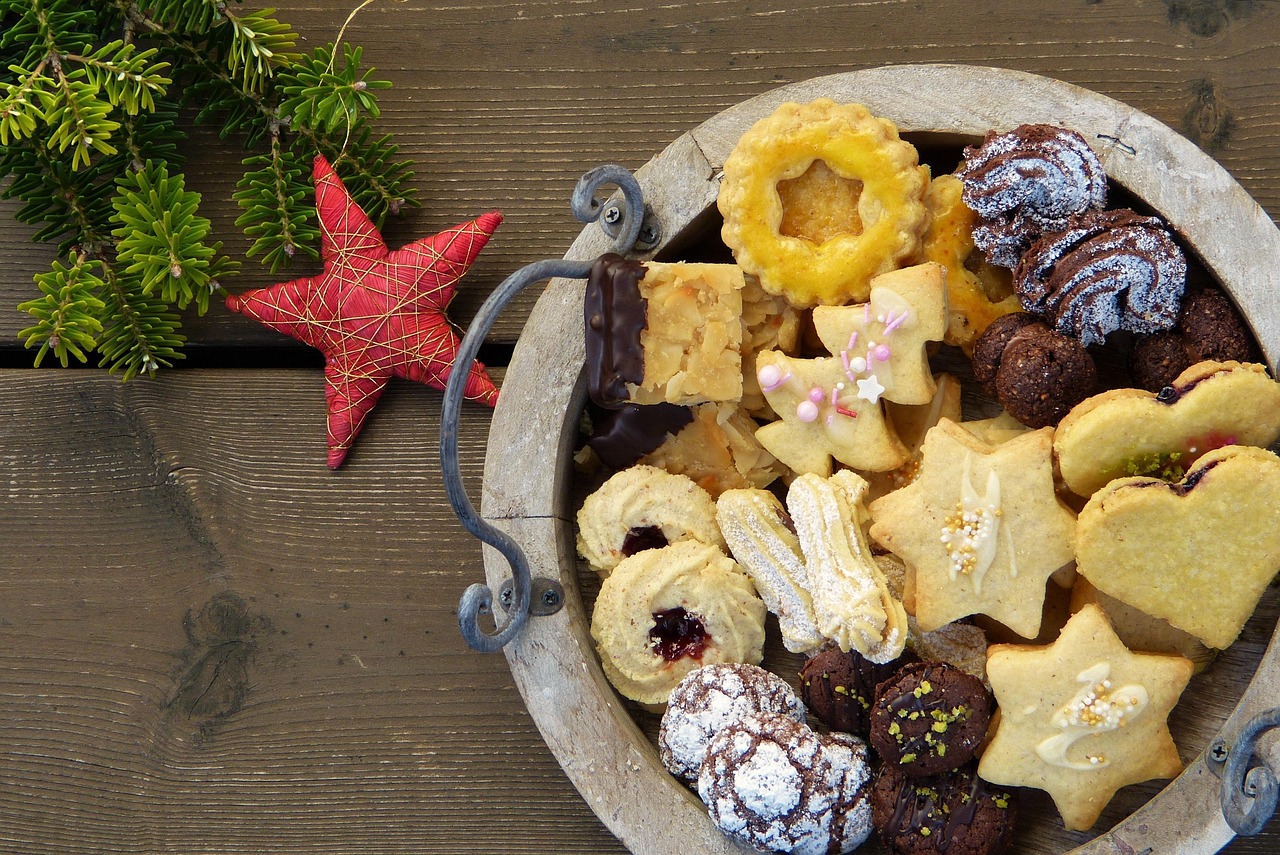
Eid Cookies, known locally as Kahk or Kak al-‘Eid, are traditional Egyptian cookies that have been a cherished part of Ramadan for centuries. These delicate crescent-shaped treats are believed to have originated in ancient Egypt and hold significant spiritual meaning.
During the month of Ramadan, families gather together to break their fast each evening with an Iftar meal. Eid Cookies serve as a delightful dessert during this shared moment, symbolizing unity, love, and the triumph over temptation. Each cookie is a reminder of the countless nights spent sharing stories, laughter, and memories around the dinner table.
The cookies are often decorated with intricate designs and traditionally contain a sweet almond filling. Each bite is a testament to the enduring spirit of Ramadan and offers a sweet taste of our collective heritage. Whether you’re indulging in these treats for the first time or sharing them with loved ones, Eid Cookies evoke feelings of warmth, nostalgia, and belonging.
The Art of Making Eid Cookies
Eid Cookie-making is an art form passed down through generations, with each family boasting its unique recipe and techniques. The process begins by kneading a rich dough made from flour, butter, sugar, rose water, and sometimes orange blossom water. This labor-of-love requires patience, dedication, and a dash of creativity.
Once the dough has been prepared, it is shaped into crescent moons using traditional molds, some of which have been in families for generations. The cookies are then baked until golden brown and allowed to cool before being filled with fragrant almond paste. This painstaking process is a testament to the love and care that goes into creating each cookie.
The creation of Eid Cookies not only serves as a cherished tradition but also offers an opportunity to share stories, laughter, and memories across generations. Grandmothers, mothers, daughters, and sisters work together to create these treats, passing down recipes, techniques, and the emotional bonds that tie families together.
Sharing Eid Cookies: A Symbol of Hospitality
Eid Cookies are more than just a delicious dessert; they represent a symbol of hospitality and love. Families share these treats with friends, neighbors, and loved ones during the festival of Eid al-Fitr, which marks the end of Ramadan.
By offering Eid Cookies to those around them, Egyptians demonstrate their open hearts and warm spirits, embodying the true essence of Ramadan’s teachings. This selfless act fosters a sense of community, unity, and shared joy among those who receive these sweet gestures.
The sharing of these cookies serves as a poignant reminder for the Maghrebi diaspora to celebrate our shared heritage and continue passing down these cherished traditions to future generations. As we share Eid Cookies with loved ones, we’re not only indulging in a tasty treat but also embracing our collective identity and reinforcing the bonds that tie us together.
Ramadan Lanterns: Illuminating Nights with Hope
The History of Ramadan Lanterns
Another captivating tradition associated with Ramadan in Egypt is the use of Ramadan lanterns, known as Fara’on or Farashiya. These beautiful lanterns have been an essential part of Egyptian culture for centuries and serve as a beacon of hope during the holy month.
Originally made from papyrus reeds and decorated with colorful patterns, Ramadan lanterns now come in various materials such as glass, metal, and paper. Their vibrant colors and intricate designs not only illuminate homes but also serve as a symbol of the light that emanates from within during Ramadan.
The Significance of Ramadan Lanterns
Ramadan lanterns hold deep spiritual significance for many Egyptians, representing the triumph of good over evil and light over darkness. The lanterns are believed to have originated during the Fatimid Caliphate in Cairo when a Persian traveler named Abu Ali al-Hasan ibn al-Haytham (Alhazen) introduced them as a means to promote unity among different religious communities.
During Ramadan, families hang these lanterns outside their homes or display them in their living spaces, creating an enchanting atmosphere that permeates the air with hope and anticipation for the days ahead. As the lights twinkle and shine, they remind us of the sacred importance of this holy month and the promise it holds for spiritual renewal.
The Art of Crafting Ramadan Lanterns
Crafting Ramadan lanterns is a time-honored tradition that continues to captivate Egyptians and attract tourists from around the world. The process involves cutting intricate patterns into paper, glass, or metal and assembling them into beautiful lanterns.
Artisans often work tirelessly throughout Ramadan to create these magnificent pieces, using ancient techniques passed down through generations. Each lantern is a testament to the skill and craftsmanship that has been honed over centuries.
Conclusion: Embracing Our Heritage and Sharing Traditions
As we delve deeper into our exploration of Eid Cookies and other Ramadan traditions in Egypt, it becomes evident that these customs are more than just relics from the past. They serve as a powerful reminder of our shared heritage and offer an opportunity for us to connect with our roots.
Throughout this article, we have uncovered the enchanting world of Eid Cookies, their origins, significance, and creation, as well as the captivating tradition of Ramadan lanterns. We hope that these insights have sparked a sense of nostalgia and inspired you to embrace your heritage and share these cherished traditions with those around you.
As members of the Maghrebi diaspora, let us continue to celebrate our shared heritage and carry on these beautiful customs for generations to come. By doing so, we’ll keep alive the memories, stories, and emotions that make these traditions so dear to our hearts.
You might also enjoy
Related Articles
- Exploring the Influence of Middle Eastern and North African Visual Art: A Journey Through Time and Culture
- A Journey Through Berber Retreats in Morocco’s Atlas Mountains: A Homecoming for the Maghrebi Diaspora
- Capturing Moroccan Youth Culture through Sartorial Photography: A Visual Exploration of Maghrebi Diaspora
- A Journey Through Time: Discovering the Enchantment of a Traditional Moroccan Villa with its Own Hammam
- Exploring Moroccan Jewish Culture: Traditions, Customs, and Artifacts