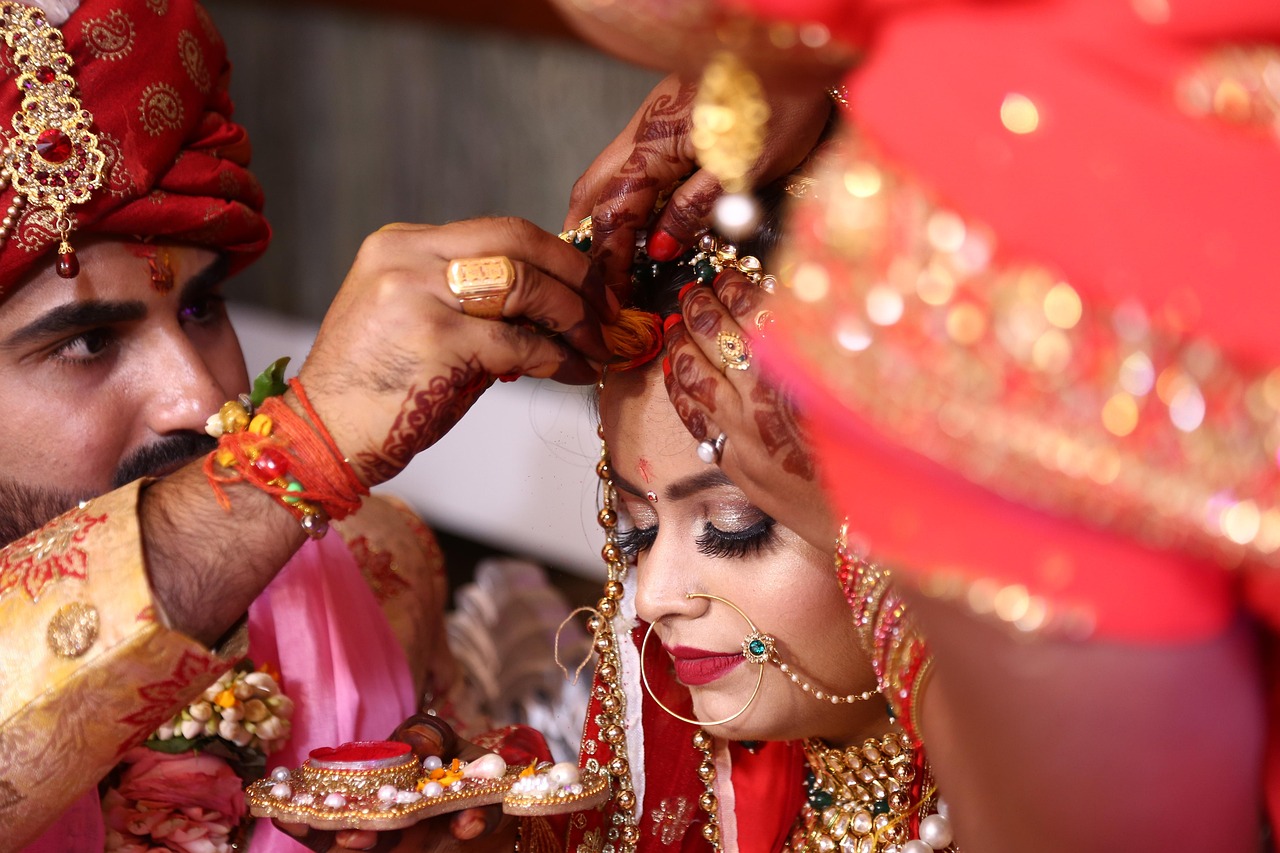
Tracing the Vibrant Heritage: Henna in North African Weddings
Welcome to this journey into the captivating world of henna, a timeless art form that has been woven into the fabric of North African weddings for centuries. As we delve into the rich history and significance of henna, let us explore how it continues to bring joy, prosperity, and unity to generations across our beloved lands.
The Origins of Henna in North Africa: A Legacy Born from Ancient Civilizations
Henna’s roots in North Africa date back thousands of years to the Phoenician and Roman civilizations. As these cultures flourished under the influence of Arabic culture, particularly during the Umayyad conquest, henna became an integral part of various North African traditions, including weddings. This ancient art form has been passed down through generations, with each region developing its unique style of henna artistry.
When it comes to creating this stunning art form, henna leaves are crushed into a fine powder and mixed with lemon juice, essential oils, and sugar to create a paste. This magical mixture is then applied to the skin, where it stains the surface, providing intricate designs that can last for weeks. The process of applying henna is not just about creating beautiful patterns; it’s an experience that brings people together, fostering a sense of community and connection.
From Morocco to Tunisia, Algeria to Libya, each region has its own distinct style of henna artistry, showcasing diverse patterns and motifs reflecting cultural heritage and artistic expression. For instance, Moroccan henna is known for its intricate geometric designs, while Tunisian henna features delicate floral patterns.
The Pre-Wedding Henna Ceremony: A Celebration of Love and Unity
The pre-wedding henna ceremony, or ‘henna party,’ is a beloved tradition in many North African cultures. Friends and family gather to celebrate the union of the couple, marking the beginning of their married life together. This joyous occasion is filled with laughter, music, and warm conversation as guests share stories and well wishes for the happy couple.
During this special ceremony, the bride’s hands and feet are adorned with intricate henna designs. As the paste dries, the bride and her loved ones take turns sharing tales of love, family, and tradition. This intimate setting allows for meaningful connections to be formed, strengthening the bonds between the couple, their families, and friends.
In some cultures, it is believed that the darker the henna stain, the stronger the marriage bond will be. Therefore, brides-to-be strive for vibrant designs to signify a harmonious future together. This symbolic act serves as a reminder of the power of love and commitment, as the couple embarks on their new life journey.
The Symbolism and Meaning Behind Henna Designs: A Language of Love
Henna designs are rich in symbolism, with each pattern representing various aspects of love, fertility, protection, and good fortune. These symbols serve as a reminder of the blessings and happiness that the couple can expect to share together.
For instance, the ‘eye of protection’ design is believed to ward off evil spirits and ensure a prosperous marriage. Other popular motifs include intertwined hearts, vine patterns, and floral designs symbolizing growth and union. These symbols are not just aesthetically pleasing; they hold deep meaning and significance for the couple and their loved ones.
Henna artistry is not only a form of decoration but also a means of expressing cultural identity and passing on traditions from generation to generation. By embracing this timeless tradition, we honor our ancestors and keep our rich cultural heritage alive.
The Evolution of Henna in North African Weddings: A Blend of Old and New
As time progresses, henna continues to evolve within the context of North African weddings. Modern brides often incorporate contemporary elements into traditional designs, creating a harmonious blend of old and new. This fusion of styles allows for creativity and self-expression, while still honoring the rich cultural heritage that henna represents.
The use of henna is no longer limited to weddings alone; it has become a popular element in other celebrations such as baby showers, birthdays, and milestone events. Despite these adaptations, the essence of henna remains constant – a symbol of unity, love, and connection between families, friends, and generations.
Preserved Our Cultural Heritage: A Call to Action
As members of the Maghrebi diaspora, it is essential that we preserve our rich cultural heritage. Share your stories and experiences related to henna with others, and encourage younger generations to learn about this beautiful tradition and carry it forward.
By passing on traditions like henna, we keep our roots alive and ensure the continuity of our unique North African identity in a rapidly changing world. Let us come together to preserve our cultural heritage and honor the beauty of henna for generations to come.
You might also enjoy
Related Articles
- Exploring the Influence of Middle Eastern and North African Visual Art: A Journey Through Time and Culture
- Exploring the Rich Cultural Heritage of North Africa: A Journey through History
- Jetting Off to North Africa and Middle East with Miles: A Comprehensive Guide
- Capturing Moroccan Youth Culture through Sartorial Photography: A Visual Exploration of Maghrebi Diaspora
- Exploring the Rich Judeo-Amazigh Heritage in North Africa