Reflecting on Ten Years After the Arab Spring: The Evolution of Women’s Rights Amongst the Maghrebi Diaspora
A decade has passed since the historic Arab Spring, a series of anti-government protests that swept across North Africa and the Middle East. As we reflect on the changes that have transpired in this time, it is crucial to examine the evolution of women’s rights within the Maghrebi diaspora. In many ways, the Arab Spring marked a turning point for women’s participation in public life, with many countries seeing significant increases in female representation in government and civil society.
The Arab Spring was marked by a wave of hope for greater democracy, freedom, and equality. However, the journey towards these ideals has been fraught with challenges, particularly when it comes to women’s rights. In this article, we will explore the progress and setbacks women have faced in the Maghrebi countries over the past ten years, including Tunisia, Morocco, Algeria, and Libya.
1. Tunisia: A Model for Progress
In Tunisia, the Arab Spring led to the fall of President Zine El Abidine Ben Ali and the establishment of a democratic government in 2011. Since then, Tunisia has continued its trajectory towards gender equality by ratifying a new constitution that enshrines women’s equal political participation.
Tunisia’s journey towards greater equality is not without its challenges, however. Despite the progress made, discriminatory laws still exist, such as those related to inheritance and family law, which have been slow to reform. Additionally, the economic impact of the Arab Spring has affected women disproportionately, with many facing unemployment and increased poverty.
However, Tunisia has also seen significant advancements in areas like education and healthcare. The country’s female-led government has prioritized initiatives aimed at promoting gender equality, such as increasing access to reproductive health services and combating early and forced marriage.
2. Morocco: Moving Towards Reform
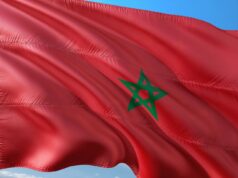
In Morocco, the Arab Spring led to a series of political reforms, including the creation of a new constitution in 2011. While Morocco has made some progress on women’s rights, significant challenges remain.
Morocco continues to grapple with issues like early and forced marriage, domestic violence, and limited access to education and employment opportunities for women. However, there have been some positive developments. In 2014, Morocco passed a law aimed at preventing and combating violence against women, and the government has taken steps to increase the number of women in political leadership positions.
Despite these advancements, Morocco still faces significant barriers to gender equality, including discriminatory laws and social norms that perpetuate inequality. However, the country’s growing feminist movement is working to address these challenges and promote greater equality for all.
3. Algeria: A Complex Landscape
In Algeria, the Arab Spring led to widespread protests and eventually the resignation of President Abdelaziz Bouteflika in 2019. The country’s complex landscape when it comes to women’s rights is characterized by both progress and setbacks.
Algeria has made some progress, including increasing access to education for girls and ratifying international conventions on women’s rights. However, Algerian women continue to face discrimination in areas like family law and employment.
The ongoing political transition in Algeria presents both opportunities and challenges for women’s rights. It remains to be seen how the new government will address these issues and whether it will prioritize gender equality.
4. Libya: A Fragile Situation
In Libya, the Arab Spring resulted in a civil war that has continued to this day, making it difficult to assess women’s rights in the country. Prior to the conflict, Libyan women had made some progress, including gaining the right to vote and run for office.
However, during the war, women have been subjected to sexual violence, forced displacement, and limited access to healthcare and education. The situation in Libya remains fragile, with no clear end in sight to the conflict.
It is essential that efforts are made to address the unique challenges faced by women during this time, including ensuring their protection, access to services, and participation in peacebuilding processes.
5. Conclusion: The Journey Continues
Ten years after the Arab Spring, the journey towards greater democracy, freedom, and equality in the Maghrebi countries is far from over. Women continue to face numerous challenges when it comes to their rights.
As members of the Maghrebi diaspora, we have a role to play in supporting the efforts of those working for change in our home countries. This can include advocating for gender equality, supporting organizations that promote women’s rights, and raising awareness about the issues facing women in the Maghreb.
Together, we can help ensure that the progress made during the Arab Spring is not lost and that the journey towards a more equitable future continues. By working together, we can build a brighter future for all women in the Maghrebi diaspora.
You might also enjoy
Related Articles
- A Decade On: Women’s Rights and Lifestyle Revolution Post-Arab Spring – A Reflection for the Maghrebi Diaspora
- Empowering Novels by Arab Women: A Summer Reading List for Maghrebi Diaspora Readers
- Living Among Arab Women: Lessons in Cultural Empowerment
- Empowering Women’s Health in the Arab World: A Gender Equality Perspective
- Transforming the Magic of Tangier into a Modern Home Decor Style: A Guide for Maghrebi Diaspora