Eid Cookies: Sweet Traditions for a Festive Egyptian Celebration
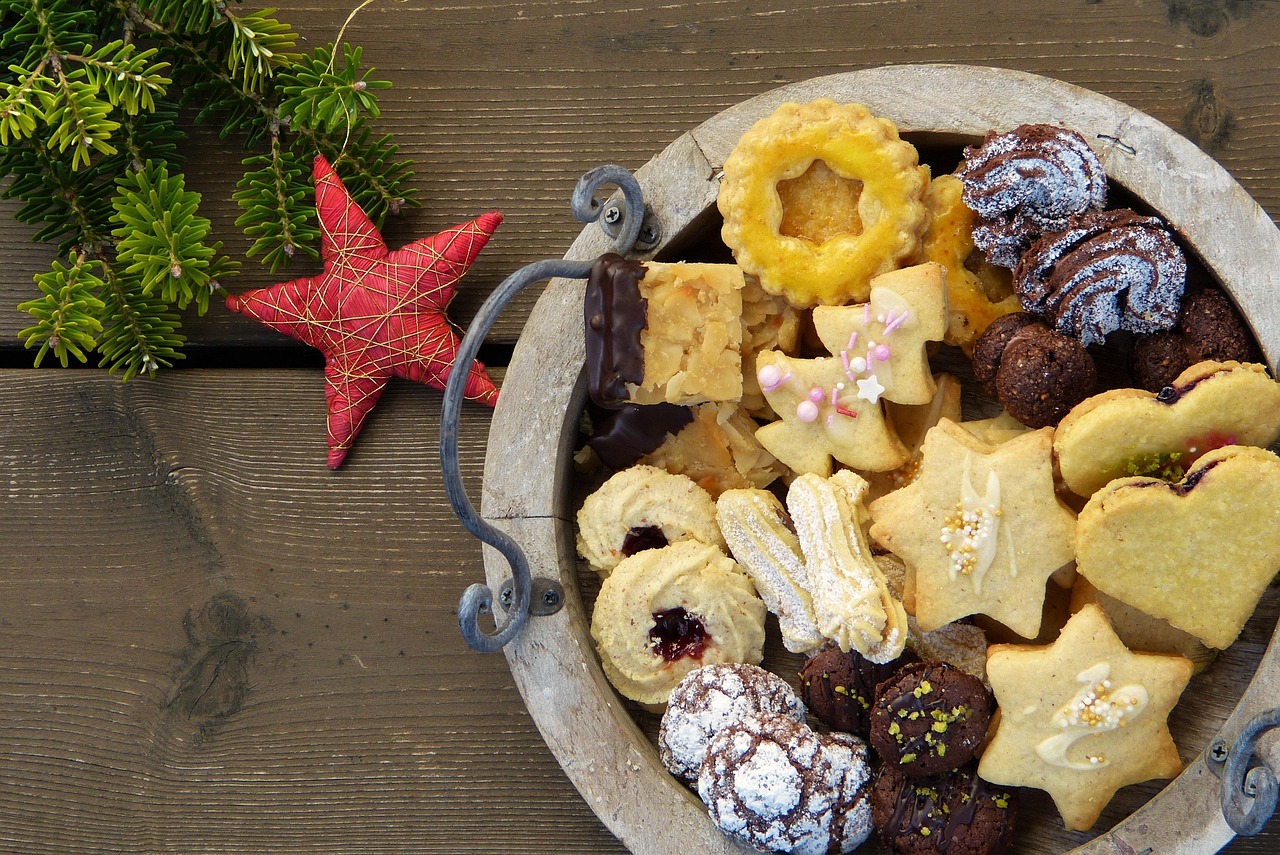
From the bustling streets of Cairo to quiet coastal towns, it’s hard to imagine an Eid celebration without the sweet aroma of Eid cookies wafting through the air. These delicate, sugar-dusted treats are a symbol of love and hospitality in Egyptian culture, shared with friends, family and neighbors as part of the Eid al-Fitr festivities marking the end of Ramadan. This recipe is rooted in tradition but updated for modern kitchens to bring joy to your next Eid celebration.
History and Origins
Eid cookies have been a beloved part of Egyptian cuisine since the 17th century, evolving over time with influences from Ottoman, Arabian and Mediterranean culinary practices. Traditionally made with sesame seeds or almonds, they are now often found adorned with colorful sprinkles and topped with a sweet glaze. Eid cookies are an essential part of the Eid al-Fitr celebration, which marks the end of Ramadan and signifies the beginning of the Hajj pilgrimage in Mecca.
Ingredients (makes about 30 cookies)
- 500 g all-purpose flour: You can use a combination of all-purpose flour and almond flour for an added nutty flavor, or stick to traditional sesame seeds for a more classic taste.
- 1 tsp baking powder: This helps the cookies spread evenly while baking, ensuring they retain their delicate texture.
- ½ tsp salt: A pinch of salt balances out the sweetness and enhances the overall flavor profile.
- 170 g unsalted butter, room temperature: Softened butter makes it easier to cream with sugar, resulting in a tender cookie.
- 250 g granulated sugar: You can adjust the amount of sugar to your taste, but keep in mind that these cookies are best when slightly sweet and crumbly.
- 4 large eggs: Use room temperature eggs for the best results, as this affects the texture and structure of the cookies.
- 2 tsp vanilla extract: A hint of vanilla adds depth to these delicate treats without overpowering their sweetness.
- Zest of 1 lemon: The brightness of the lemon zest complements the sweetness of the sugar and butter, creating a delightful flavor combination.
- 280 g almond flour: This adds a nutty flavor and texture to the cookies, but feel free to substitute with an equal amount of all-purpose flour for a more traditional taste.
- 6 tbsp sesame seeds or sprinkles: You can customize your Eid cookies with colorful sprinkles or stick to classic sesame seeds for a more traditional look.
- For the glaze:
- 75 g confectioner’s sugar: Use high-quality confectioner’s sugar for a smooth, velvety glaze.
- 2 tbsp milk: You can adjust the amount of milk to achieve your desired glaze consistency.
- 1 tsp lemon juice: A hint of lemon adds brightness and balance to the sweetness of the cookies.
Step-by-Step Instructions
Prep time: 30 minutes | Cook time: 15 minutes | Difficulty: Easy
- Whisk the dry ingredients: In a medium bowl, whisk together the all-purpose flour, baking powder and salt. Set aside.
- Cream the butter and sugar: In a large mixing bowl or stand mixer, beat the unsalted butter and granulated sugar until light and fluffy — about 3 minutes on medium speed. You can use an electric mixer for this step to save time and effort.
- Add eggs and vanilla: One at a time, beat in the eggs followed by the vanilla extract. Scrape down the sides of the bowl to ensure everything is well combined.
- Mix in dry ingredients: Slowly fold in the dry ingredients with a spatula until just incorporated. Then mix in the lemon zest and almond flour, making sure they’re evenly distributed throughout the dough.
- Shape cookies: Using a tablespoon, scoop out the dough and roll into balls. Coat each ball in sesame seeds or sprinkles and place on a baking sheet lined with parchment paper. You can also use your hands to shape the cookies if you prefer a more rustic look.
- Bake cookies: Preheat the oven to 180°C (350°F). Bake for 12-15 minutes, until lightly golden. Remove from the oven and let cool on the baking sheet for 5 minutes before transferring to a wire rack to cool completely. Keep an eye on your cookies while they’re baking, as the baking time may vary depending on their size.
- Make the glaze: In a small bowl, whisk together the confectioner’s sugar, milk and lemon juice until smooth. Drizzle over cooled cookies using a spoon or piping bag, making sure to cover them evenly for a beautiful presentation.
Tips for Success
These delicate cookies are easy to make with just a few simple tips in mind:
- Use room temperature butter and eggs for the best texture: This ensures the cookies spread evenly while baking, resulting in a tender and crumbly texture.
- Do not overmix the dough, which can make the cookies tough: Stop mixing once you’ve combined all the ingredients and avoid overworking the dough to prevent it from becoming too dense.
- For a nut-free version, omit the almond flour and increase the all-purpose flour to 650g: This adjustment is perfect for those with dietary restrictions or preferences.
- Store cookies in an airtight container for up to 5 days or freeze for up to 3 months: Keep your Eid cookies fresh for longer by storing them properly, and enjoy them at your next celebration.
Regional Variations
Eid cookies can be found throughout the Middle East, each region with its own unique twist. In Jordan, they are often flavored with rosewater and cardamom, while in Syria they may include chopped nuts or coconut flakes. Experiment with your favorite flavors to make these cookies truly yours!
Serving and Presentation
Eid cookies are best served as soon as possible after cooling, though they can be made ahead of time and stored until ready to serve. You can arrange them on a platter or individually wrap them for an elegant presentation.
Conclusion
Eid cookies are the perfect way to celebrate the end of Ramadan and share sweet traditions with loved ones. These delicate treats bring joy to the table and create cherished memories for years to come. Try this recipe at your next Eid celebration and let us know how it turns out in the comments below!
You might also enjoy
Related Articles
- Eid Cookies: Adding Festive Spirit to Egyptian Homes
- Fusing Traditions: Steak with Salsa Verde and Salsa Roja – A Delicious Twist for Maghrebi Food Lovers
- Bringing the Enchantment of Tangier Home: A Guide for Decor and Culture
- Reviving Traditional Tunisian Yabrak Recipe for Passover Celebration in Marseille
- Capturing the Essence of Modern Moroccan Youth Culture: A Photographer’s Guide