Here is the improved HTML article:
Tunisian couscous is a culinary masterpiece that will transport your taste buds to the sun-kissed Mediterranean coast. This fragrant, fluffy feast has been delighting palates for centuries, and with this recipe, you’ll learn to master its secrets and elevate your mealtime in a way that honors the rich cultural heritage of the diaspora community.
History and Origins
The roots of Tunisian couscous stretch back thousands of years to the Berber people who first cultivated it. As the region became a melting pot of Mediterranean influences, couscous evolved into various forms, each with its unique flavors and traditions. Moroccan couscous is hearty and lamb-filled, while Algerian couscous is spiced with merguez sausages. Tunisian couscous, on the other hand, is a delightful combination of fish, capers, and olives. This recipe delves deep into the Tunisian tradition, where the emphasis is on simplicity, freshness, and bold flavors.
Ingredients (serves 6)
- 500 g medium-grain couscous – not instant couscous if you can help it! You want that texture and flavor to shine through.
- 800 g whole sea bream or sea bass, scaled and gutted – fresh is best, but if you can’t find the right fish, monkfish or mackerel work well too.
- 2 medium onions – finely chopped to bring out their natural sweetness.
- 4 cloves garlic – minced to add a depth of flavor without overpowering the dish.
- 1 large bell pepper – diced to add a pop of color and crunch.
- 2 large tomatoes – diced to bring out their natural sweetness and acidity.
- 1 tbsp ground cumin – adding warmth and depth to the dish.
- 1 tsp sweet paprika – for a hint of smokiness and sweetness.
- 1 tsp hot paprika (or more to taste) – for an added kick of heat.
- ½ tsp turmeric – for a touch of earthy warmth.
- 2 tbsp olive oil – the foundation of Mediterranean cooking, used liberally throughout this recipe.
- 400 g canned chickpeas – drained and rinsed to add protein and texture.
- 150 g green olives (pitted) – for a salty, savory flavor that complements the fish perfectly.
- 6 anchovies, finely chopped – for an umami boost that adds depth to the dish.
- 2 tbsp capers – for a tangy, salty flavor that adds complexity to the broth.
- Juice of 3 lemons – for a bright, citrusy flavor that balances out the richness of the dish.
- 1 bunch fresh parsley – finely chopped to add a pop of freshness and color to the dish.
- Salt and black pepper – to taste, as you prefer your flavors.
- 4 tbsp butter (for finishing) – for a rich, creamy finish that elevates the dish to new heights.
Step-by-Step Instructions
Prep time: 30 minutes | Cook time: 1 hour 30 minutes | Difficulty: Medium – this recipe requires some effort, but the payoff is well worth it!
- Prepare the fish: score the fish in several places, season generously with salt and pepper. In a large skillet over medium-high heat, sear the fish on both sides until golden brown – about 5 minutes per side.
- Sauté vegetables and spices: in another pot, heat olive oil over medium heat and sauté onions until translucent. Add garlic, bell pepper, cumin, sweet paprika, and turmeric, cook for 2-3 minutes or until fragrant – the aroma alone is worth the effort!
- Build the broth: add canned chickpeas, green olives, anchovies, capers, lemon juice, and 1.5 litres of water to the pot. Stir well, season with salt and pepper, and bring to a boil – this is where the magic happens!
- Steam the couscous: place couscous in a large bowl, drizzle with olive oil and rub between your palms to coat each grain. Add 300 ml of warm salted water, stir, and leave to absorb for 5 minutes. Rake with a fork to separate grains – the perfect texture is key here!
- Steam the fish: place the seared fish on top of the couscous, cover it with a plate or cling film, then steam over the simmering broth for 30 minutes or until fish is cooked through – the anticipation is palpable at this point!
- Finish and serve: remove the fish and let rest for a moment. Fluff the couscous with a fork, season to taste, add chopped parsley, and a generous knob of butter per serving – the grand finale!
Tips for Success
Remember that Tunisian couscous is all about balance – the flavors should dance together without overpowering each other. Here are some tips to help you find that harmony:
- The broth should be well-seasoned but not too salty, as the fish and olives will contribute additional sodium.
- For a tangier profile, add another lemon or two to taste in the final minutes of cooking – the citrusy brightness is addictive!
- If you can’t find sea bream or sea bass, monkfish or mackerel work well too – adaptability is key in this recipe.
Regional Variations
In the coastal regions of Tunisia, capers and olives are often swapped out for fresh seafood like clams, shrimp, or squid. A quick weeknight version might use canned tuna instead of whole fish – adaptability is key in this recipe!
Serving and Presentation
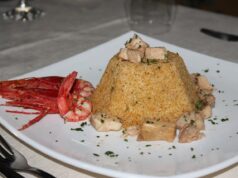
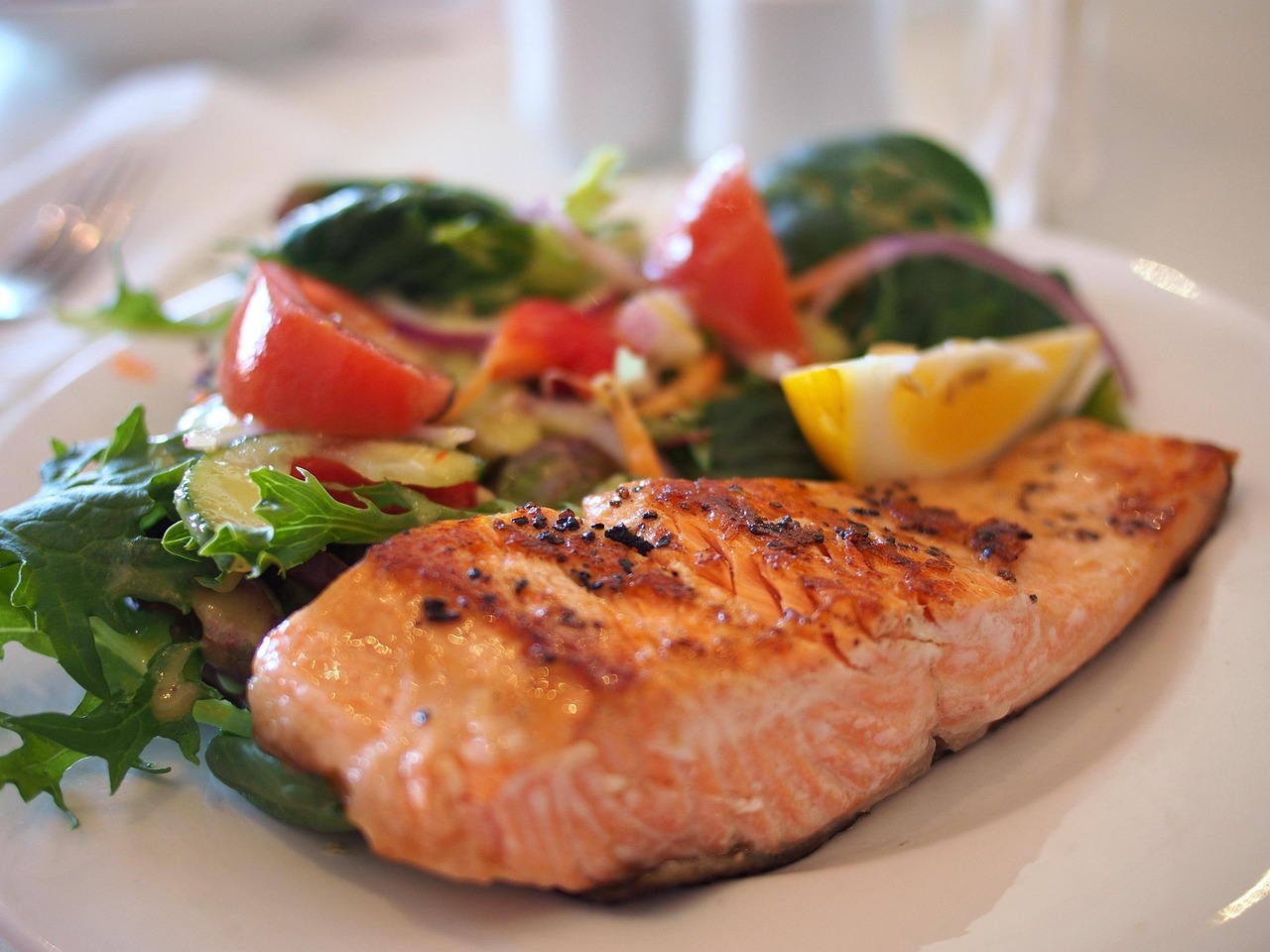
Serve the couscous in a large communal dish, mounded with steamed fish on top. Garnish with fresh parsley and additional lemon wedges if desired – presentation matters! This vibrant dish is best enjoyed with family and friends.
Conclusion
Tunisian couscous is a shining example of Mediterranean fusion cuisine, blending the rich flavors of the sea with the hearty comfort of couscous. With this recipe in your arsenal, you’ll be ready to impress at any dinner party or family gathering – the possibilities are endless!
You might also enjoy
Related Articles
- Elevating Couscous: A Culinary Journey with Tunisian Fish and Couscous
- Savoring the Flavors of Home: A Delicious Curried Chicken Couscous Salad Recipe
- Reviving Tunisian Flavors: A Guide to Adding Bold Tastes to Your Mediterranean Diet
- Exploring Tunisian Cuisine: 15 Authentic Recipes to Spice Up Your Mediterranean Diet
- 15 Delicious Tunisian Recipes to Enhance Your Mediterranean Diet