Unveiling the Henna Rituals and Meanings in Maghrebi Weddings
Welcome to our blog, where we delve into the rich cultural heritage of the Maghrebi diaspora! Today, we’re excited to explore the significance and rituals surrounding henna in weddings. As members of this vibrant community, it’s essential that we cherish and preserve these traditions – and what better way than by sharing them with you?
The Anticipation: The Engagement Ceremony (Zafa)
As the engagement ceremony unfolds, the excitement builds. This joyous occasion marks the beginning of the wedding journey, where the groom’s family visits the bride’s home, often accompanied by lively music and dance. During this visit, they exchange gifts, and the bride applies henna on her hands as a symbol of anticipation and preparation for the union.
The intricate designs applied during the Zafa hold various meanings, each one weaving together to create a beautiful tapestry. For instance, a spiral represents unity and harmony between the couple, while a palm leaf signifies the hope for fertility and abundance in their new life together. These motifs serve as gentle reminders that the bride is embarking on a new chapter of her life.
The henna used during this ceremony is typically freshly prepared from ground henna leaves mixed with lemon juice, sugar, and essential oils. This fragrant mixture not only enhances the beauty of the designs but also provides nourishment to the bride’s skin, leaving it soft and radiant for the special day ahead.
The Bonding: The Henna Party (Henna Night)
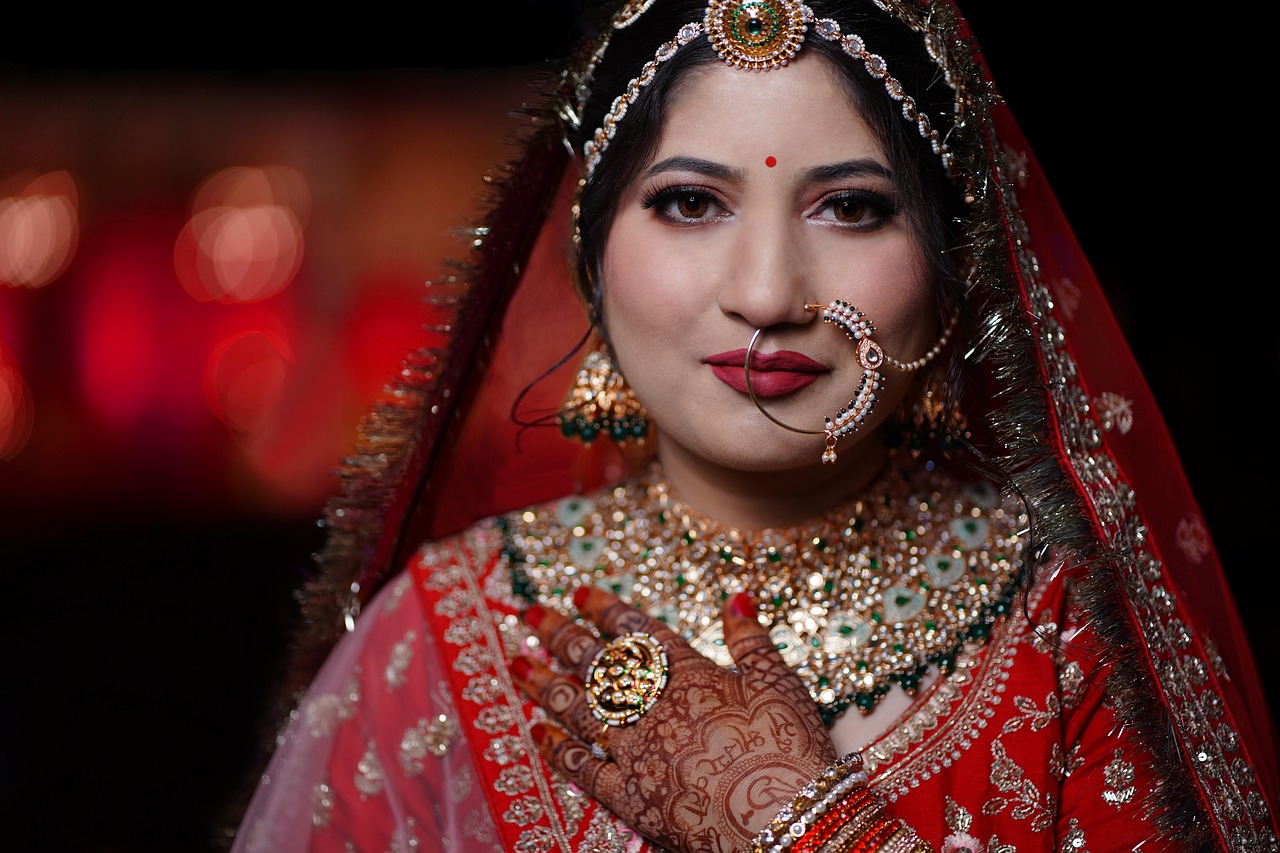
A few days before the wedding, a grand henna party, or ‘Henna Night’, takes place. Family and friends gather to celebrate the upcoming union, their laughter and chatter filling the air as they dance, sing, and share stories. During this night, the bride’s hands and feet are adorned with intricate henna designs, each one telling a story of love, fertility, and protection.
As the party continues, the women share tales of their own weddings, passed down through generations, and offer words of wisdom to the newlyweds-to-be. It is believed that these lively celebrations help to strengthen the bonds between the families and bring good luck to the couple as they embark on their new journey together.
The Henna Night also serves as a moment for the bride’s friends to shower her with gifts, often containing practical items she’ll need in her new home. These gifts are known as ‘Souk El-Khass,’ or ‘The Special Market,’ and are treasured not only for their utility but also for the love and blessings they bring.
The Connection: The Wedding Day (Qurbat)
On the wedding day, the bride’s henna designs reach their peak of vibrancy and beauty. As she prepares to marry her groom, these intricate patterns serve as a visual representation of the connection between the couple – a symbol of their love and commitment to one another.
During the wedding ceremony, the groom breaks a vase or earthenware pot at the bride’s feet – a poignant moment that signifies the breaking of her family ties and her entrance into a new life with her husband. The henna designs on her feet are now considered stains from the broken pot, signifying this transition.
Once the ceremony is complete, the couple is showered with rose petals as they embark on their new journey together – a sweet reminder of the beauty and romance that fills their special day.
The Celebration: The Wedding Feast (Welcoming Party)
Following the wedding ceremony, a grand feast takes place to celebrate the union. The bride and groom are welcomed by family and friends, who have come together to share in their joy. During this feast, the bride’s henna designs continue to play a role as people admire and comment on them – a testament to the love and beauty that fills their new life together.
It is also during this time that guests might offer the newlyweds words of wisdom or advice for their future life together. These gentle reminders serve as a reminder that their union is not just about themselves but also about the community that gathers around them.
The Preservation: Keeping Our Heritage Alive
As members of the Maghrebi diaspora, it’s crucial that we cherish and preserve our rich cultural heritage. By understanding and appreciating the significance of henna rituals in weddings, we can ensure these traditions continue to thrive for generations to come.
Whether you are planning a traditional Maghrebi wedding or simply want to maintain connections with your roots, let’s strive to keep our customs alive and pass them on to future generations. By doing so, we’ll not only honor our ancestors but also create a sense of continuity and belonging within our community.
You might also enjoy
Related Articles
- Henna Tattooing in North Africa: A Modern Guide for the Maghrebi Diaspora
- Unveiling the Judeo-Amazigh Cultural Substratum in North Africa: A Deep Dive for Maghrebi Diaspora Readers
- Unveiling UNESCO World Cultural Heritage Culinary Traditions of the Maghreb
- Exploring North African Youth Culture through Moroccan Photography: A Visual Journey for the Maghrebi Diaspora
- Exploring Collaboration Opportunities for Sub-Saharan Migration between North Africa and Europe: A Call to Action for Maghrebi Diaspora