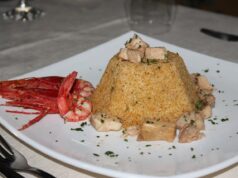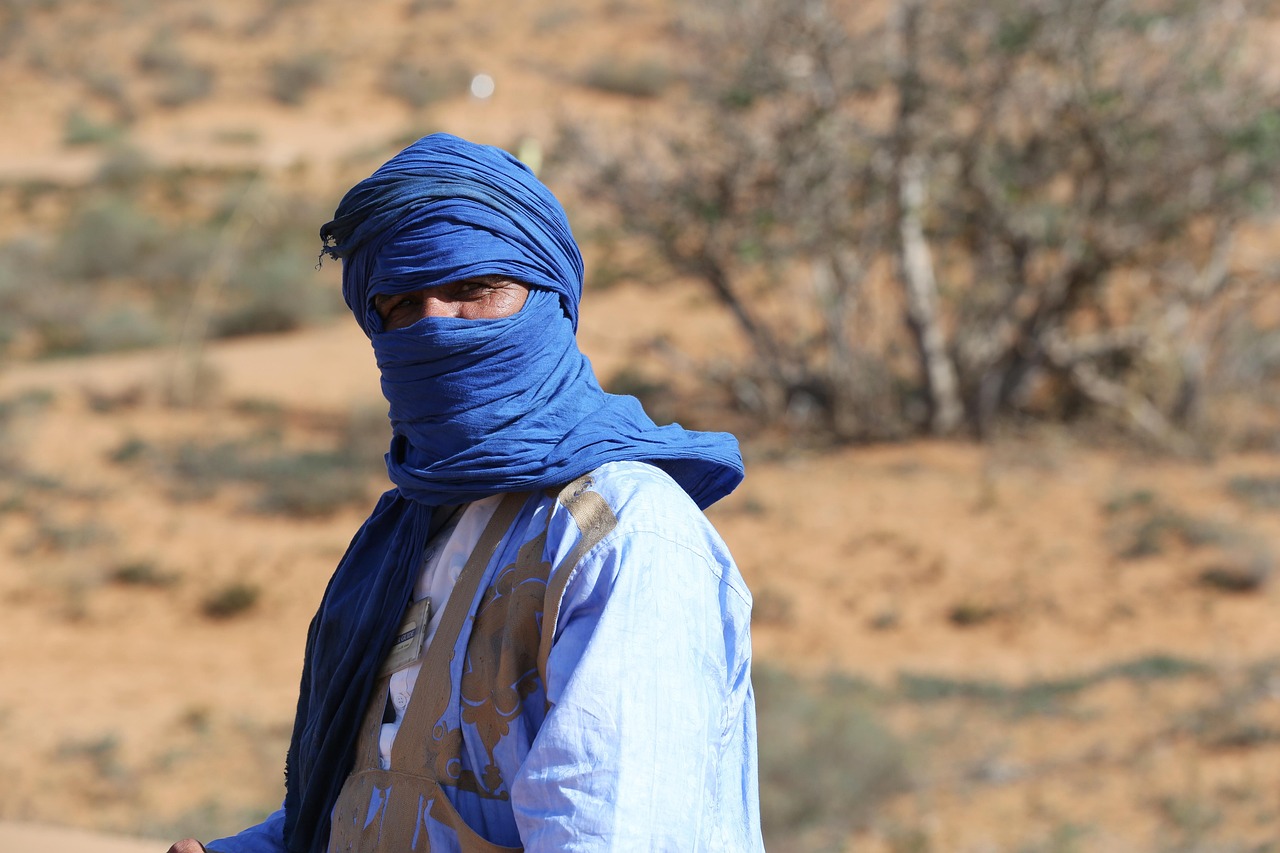
Celebrating Yennayer 2026: A Culinary Journey Through Traditional Berber New Year Delicacies
As the Maghrebi diaspora comes together to celebrate Yennayer, a time-honored tradition that marks the start of the Berber calendar, we embark on a gastronomic adventure to explore the rich and diverse culinary landscape of North Africa. This festive occasion is not just a celebration of new beginnings but also an opportunity for us to connect with our ancestral roots and preserve the cultural heritage of our Berber forebears.
Yennayer has evolved into a vibrant cultural event that unites Berber communities across the Maghreb region, with food playing a central role in these celebrations. The sharing of traditional dishes passed down through generations is an integral part of this festive atmosphere, where families and friends gather to enjoy each other’s company and savor the flavors of their heritage.
In this article, we’ll delve into five delectable Berber New Year delicacies that encapsulate the spirit of Yennayer and offer a genuine taste of our cultural heritage. From the slow-cooked lamb stew of Takroug to the crispy, savory pastry of Rghaif, each dish is a testament to the rich culinary traditions of the Maghreb region.
The Significance of Yennayer
Yennayer marks the start of the Berber calendar, which is based on lunar cycles. Falling annually on January 15th according to the Gregorian calendar, it signifies the rebirth of nature after the harsh winter months. This agricultural celebration has evolved into a vibrant cultural event that unites Berber communities across the Maghreb region.
Takroug: The Essence of Berber Cuisine
Takroug, also known as tajine or tagine, is a slow-cooked Berber stew that represents the quintessential flavors of North African cuisine. Its name comes from the earthenware pot in which it’s traditionally prepared.
This delectable dish can be made with various ingredients, but the most popular version includes tender lamb, aromatic spices, and preserved lemons. The slow-cooked process allows the flavors to meld harmoniously, making Takroug a must-have at any Yennayer celebration. It embodies the traditional values and hospitality of Berber culture.
- Preparation: To prepare Takroug, lamb is marinated in a blend of spices such as cumin, paprika, coriander, ginger, and garlic. Preserved lemons are added for an unmistakable tangy flavor. The meat and seasonings are slow-cooked in a tagine or other heavy pot over low heat until tender.
- Serving: Takroug is traditionally served with couscous, Moroccan bread, or flatbreads. It can also be accompanied by pickled vegetables, olives, and fresh herbs like cilantro or parsley.
- Variations: While lamb is the most common protein used in Takroug, other meats like chicken or beef can also be utilized. Additionally, the dish can be flavored with various regional spices and ingredients to cater to local preferences.
Msemen: A Flaky Delight
Msemen is a flaky, layered flatbread that’s a staple in Berber households across the Maghreb. Its intricate, delicate structure and versatile flavor make it an ideal accompaniment to Yennayer delicacies.
Traditionally, msemen is made by folding butter or oil between layers of dough until a flaky texture is achieved. Some variations include adding sesame seeds, nigella seeds, or cumin for extra flavor.
- Preparation: To make msemen, a simple dough is prepared using flour, water, and salt. Butter or oil is then sandwiched between layers of dough that are repeatedly folded and rolled until the desired flakiness is achieved.
- Cooking: The layered dough is then pan-fried on both sides until golden brown and crispy.
- Serving: Msemen can be enjoyed on its own or used to scoop up various dishes, making it a versatile addition to any Yennayer feast.
Rghaif: A Crispy, Savory Pastry
Rghaif is a savory Berber pastry that boasts a delicate, flaky texture and a delightful aroma. It’s often filled with spiced meat or cheese, making it an ideal Yennayer delicacy.
The process of making rghaif requires a unique technique: the dough is rolled thinly, then folded into triangles or squares before being deep-fried until golden and crispy.
- Preparation: To make rghaif, a dough is prepared using flour, water, salt, and sometimes yeast. Filling options include minced meat seasoned with spices, crumbled cheese, or ground sesame seeds.
- Assembly: The dough is rolled thinly, then filled with the chosen filling before being folded into triangles or squares. The layered pastry can be sealed by pressing the edges together or using a fork to crimp them.
- Cooking: Rghaif are deep-fried until golden and crispy, drained, and served hot.
Harsha: A Sweet Berber Delicacy
Harsha is a traditional Berber dessert made from semolina, sugar, and butter. This sweet treat is enjoyed during Yennayer as a symbol of prosperity and happiness.
Harsha is characterized by its creamy texture, rich flavor, and delicate aroma that’s reminiscent of honey. It’s often garnished with cinnamon or almonds for added depth.
- Preparation: To make harsha, semolina is cooked in a combination of water and milk until it thickens to a porridge-like consistency. Sugar and butter are then gradually added while stirring constantly to achieve the desired creamy texture.
- Serving: Harsha can be served hot or cold, depending on personal preference. It’s often garnished with cinnamon or almonds for an extra touch of flavor and visual appeal.
- Variations: While the basic recipe for harsha involves semolina, sugar, butter, water, and milk, various regional variations exist that incorporate different spices, nuts, or fruits to cater to local tastes.
Conclusion: Preserving Our Cultural Heritage Through Food
As we celebrate Yennayer 2026, let us remember the rich cultural heritage that these traditional Berber New Year delicacies represent. By partaking in these age-old culinary creations, we not only nourish our bodies but also reaffirm our connection to our ancestors and preserve our cultural identity.
We encourage you to share these delectable dishes with your loved ones this Yennayer, and to continue the tradition of celebrating our heritage through food. Let us come together as a community, united by shared values and culinary delights, and create lasting memories that will be cherished for generations to come.
You might also enjoy
Related Articles
- Celebrating Ramadan with Traditional Tunisian Desserts: A Delicious Journey for the Maghrebi Diaspora
- A Journey through Time: Unveiling Moroccan Villas – The Enchantment of a Traditional Riad with its own Hammam
- Savoring Authentic Algerian Cuisine: A Culinary Journey with Spiced Duck Breasts, Mandarin Oranges, and Dates
- Savoring the Flavors of Algeria: A Culinary Journey at Kasbah Cafe
- Savoring Amy Dell’s Saturday Sauce, Deli Food, and Tunisian Tuna Toast: A Culinary Journey for the Maghrebi Diaspora