Reviving Tunisian Flavors: A Guide to Adding Bold Tastes to Your Mediterranean Diet
Welcome, fellow food enthusiasts! In our shared journey of exploring the rich culinary heritage of Tunisia, let’s embark on a flavorful adventure that will not only tantalize your taste buds but also contribute to a healthier and more exciting Mediterranean diet. As we delve into the vibrant recipes of this North African country, you’ll discover the perfect blend of Arabic, Berber, Ottoman, and French influences that have shaped the unique flavor profile of Tunisian cuisine.
The beauty of Tunisian cooking lies in its ability to balance bold flavors with delicate textures and aromas. In this article, we’ll explore five mouth-watering dishes that showcase the country’s culinary prowess and inspire you to try something new and exciting. So, let’s start our gastronomic journey through Tunisia!
1. Couscous: The Heart and Soul of Tunisian Cuisine
Couscous is more than just a staple dish in North African cuisine – it’s an art form that requires patience, skill, and a deep understanding of the cultural heritage surrounding it. In Tunisia, couscous is often served at family gatherings and special occasions, where it’s lovingly prepared by mothers and grandmothers who have passed down their secrets to younger generations.
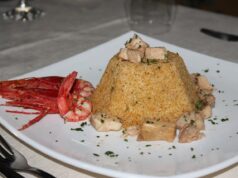
Traditionally, Tunisian couscous is made with semolina flour, which gives the dish its distinctive texture and flavor. The cooking process involves slow-cooking the semolina over steam until it forms tiny granules that are then fluffed up with a fork. But what truly sets Tunisian couscous apart is the variety of ingredients used to add flavor and depth to the dish.
Common components include lamb, chickpeas, vegetables, and a blend of spices such as cumin, paprika, and coriander that evoke the aromas of the souks (markets) in Tunis. To elevate this classic dish, try adding some preserved lemons for a burst of citrus flavor or using different types of meat and vegetables to suit your taste.
To recreate this delicious meal at home, start by preparing the couscous according to package instructions or follow a traditional method using semolina and water. Once cooked, allow it to steam for a few minutes before fluffing with a fork. Serve with harissa, a spicy chili paste made from roasted red peppers, garlic, coriander, and olive oil.
2. M’hamsa: A Tangy Fish Stew
M’hamsa is a hearty fish stew that warms the hearts and bellies of Tunisians on chilly winter days. This comforting dish is characterized by its rich, tangy flavor profile, which stems from the use of preserved lemons, onions, garlic, and a blend of spices.
The unique taste of M’hamsa comes from the slow-cooking process that allows the flavors to meld together like a perfectly harmonious orchestra. Monkfish, sea bass, or swordfish are commonly used in this stew, which is typically served with crusty bread or couscous.
To prepare M’hamsa at home, start by sautéing onions, garlic, and chili peppers in olive oil until softened. Add diced tomatoes, tomato paste, and preserved lemons before simmering the mixture for about 20 minutes. Once the sauce has developed flavor, add cubed fish and continue cooking until it’s cooked through.
Serve M’hamsa over couscous or rice with a generous sprinkling of fresh herbs like parsley and cilantro. This dish is sure to become a staple in your kitchen, especially during the winter months when you need something hearty and comforting to warm your soul.
3. Makroudh: A Sweet Semolina Delight
Makroudh, also known as Makroudiya, is a traditional Tunisian dessert that’s both sweet and savory at the same time. This delightful treat consists of semolina flour filled with a date honey filling, wrapped in thin sheets of pastry.
The sweet and sticky filling can be prepared by cooking semolina with water until it thickens. Date honey is then added along with chopped dates for extra flavor and texture. To assemble the Makroudh, roll out the pastry dough thinly and cut into rectangles.
Spoon a portion of the filling onto one half of each rectangle and fold the other half over to enclose the filling. Seal the edges by pressing with a fork or crimping them closed. Deep-fry the Makroudh in oil until golden brown, then drain on paper towels before serving.
4. Salad Tounsi: A Fresh and Zesty Salad
Salad Tounsi is a refreshing salad that celebrates Tunisia’s love for fresh vegetables, herbs, and citrus fruits. This light and zesty dish is perfect for hot summer days when you need something to cool you down.
The base of the salad consists of finely chopped cucumber, bell pepper, tomato, and onion. Fresh parsley, cilantro, and mint leaves are added for a burst of flavor, while lemon juice provides an acidic tang. To elevate this dish, olives, capers, or harissa can be added to taste.
Toss all ingredients together and season with salt and pepper before serving. This salad is sure to become your go-to side dish during the summer months when you crave something light and refreshing.
5. Msemen: A Layered Pastry for Breakfast or Any Time
Msemen is a flaky, layered pastry that’s often enjoyed as a breakfast dish in Tunisia. Made from a simple dough of flour, water, and oil, it can be filled with a variety of ingredients like cheese, ground meat, or jam.
To prepare Msemen, first mix the dough ingredients to form a smooth consistency. Allow it to rest for about an hour before rolling out into thin rectangles. Brush each rectangle lightly with oil and fold it into thirds, like a letter.
Repeat this process several times until the pastry becomes layered and flaky. To cook, heat a skillet over medium-high heat and pan-fry the Msemen until crispy and golden brown on both sides.
Conclusion
The bold flavors of Tunisian cuisine offer an exciting opportunity to expand your Mediterranean diet while staying true to our rich culinary heritage. By incorporating these five dishes into your repertoire, you will enrich not only your palate but also your cultural identity.
Share your experiences cooking and enjoying these delicious Tunisian recipes with us on social media using the hashtag #TunisianFlavors. We can’t wait to see how you bring a taste of Tunisia to life in your kitchen!
You might also enjoy
Related Articles
- Henna Tattooing in North Africa: A Modern Guide for the Maghrebi Diaspora
- Exploring the ‘St Tropez of North Africa’: Essaouira, Morocco – A Budget Travel Guide
- Exploring the Strategic Importance of the Mediterranean, North Africa, and the Sahel: A Call to Action for the Maghrebi Diaspora
- Reviving Traditional Moroccan Cuisine: Recipe for Tajine b’Stif for Eid al-Adha
- Maximizing Miles: A Comprehensive Guide for Exploring Middle East & North Africa