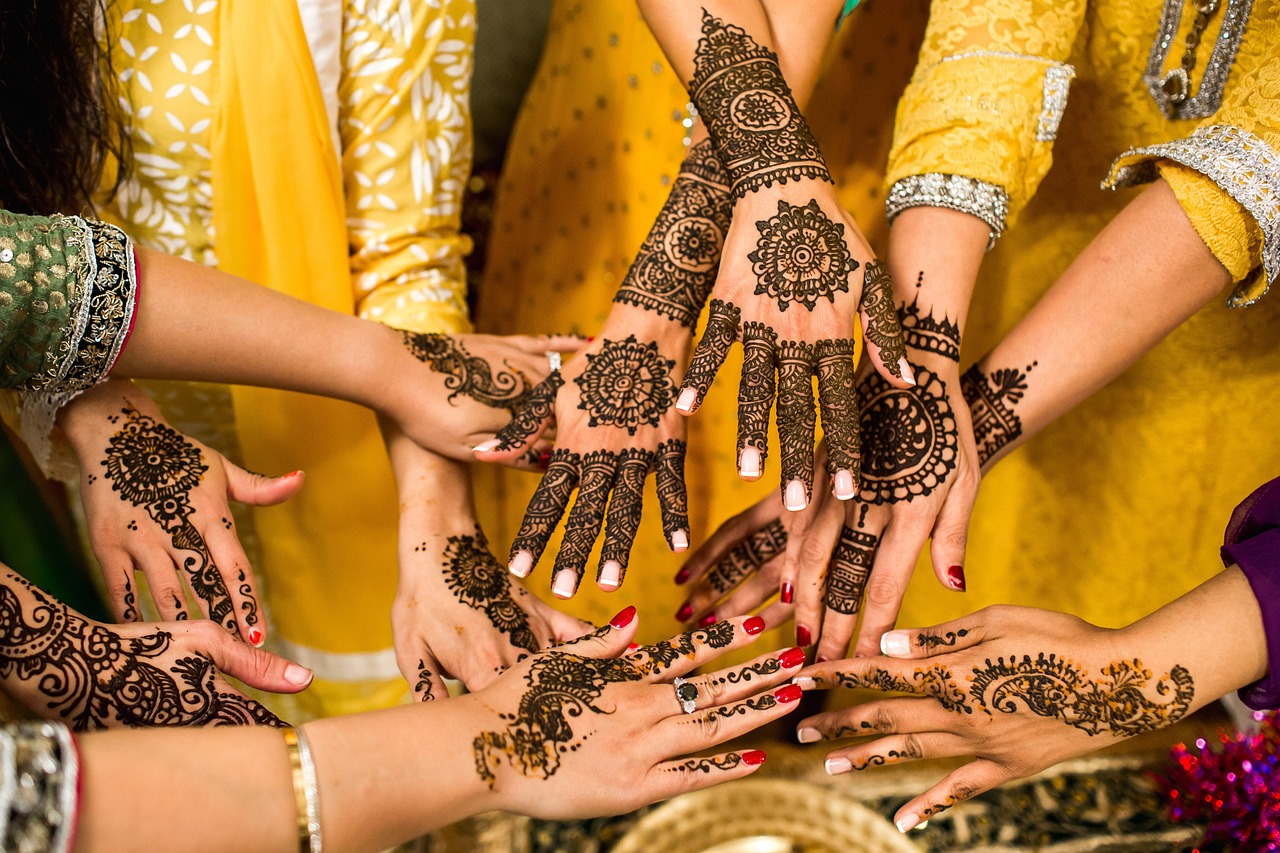
Henna Tattooing in North Africa: A Modern Guide for the Maghrebi Diaspora
Step into the enchanting realm of Henna tattooing, an ancient art form deeply rooted in North African culture. As members of the Maghrebi diaspora, reconnect with your heritage by exploring the history, techniques, and modern revival of this captivating practice. With its rich cultural significance and mesmerizing designs, Henna tattooing is an integral part of our collective identity.
Origins and Significance
The art of Henna tattooing has its roots traced back to ancient Egypt, but it was the spread of Islam across North Africa that popularized this beautiful practice. Traditionally used for religious, social, and aesthetic purposes, Henna tattoos hold great cultural importance in Morocco, Algeria, and other Maghrebi countries.
In Morocco, for instance, brides often adorn their hands with intricate Henna designs before the wedding ceremony to symbolize purity and good fortune. Similarly, in Algeria, Henna is applied during celebrations such as Eid al-Fitr, weddings, and baby naming ceremonies. These traditional practices not only showcase the cultural significance of Henna but also highlight its role in fostering community and social bonding.
The dye extracted from the Lawsonia inermis plant results in a temporary reddish-brown stain on the skin, making it an ideal medium for temporary body art that is both safe and non-permanent. This property has made Henna an essential part of North African cultural heritage, with its designs often symbolizing good luck, prosperity, and joy.
Henna Preparation and Application
Traditionally, henna cones or ‘kissas’ are prepared by mixing powdered henna leaves with water and essential oils such as lemon juice and tea tree oil to enhance the color and aroma. These mixtures are then stored in a cone-like device made of paper or plastic for easy application.
When applying Henna, artists use a thin metal or wooden stick called a ‘tijara’ to draw intricate designs on the skin. The design is first outlined before being filled in with additional henna paste. The intricacy and level of detail can vary greatly depending on the artist’s skill and the occasion.
After application, the Henna is left to dry for a few hours, allowing the dye to penetrate the skin. Once dried, it is washed off with warm water and soap. The design will gradually darken over the following 24-48 hours, reaching its maximum intensity after about a week.
Modern Henna Tattooing Revival
In recent years, there has been a resurgence of interest in traditional Henna tattooing within the Maghrebi diaspora and beyond. Many artists have taken this art form to new heights by incorporating modern styles and techniques while maintaining its cultural significance.
This revival is evident in contemporary henna events, workshops, and social media platforms dedicated to showcasing and preserving the art of Henna tattooing in North Africa. With its temporary nature, Henna has become an attractive alternative for individuals who wish to experiment with body art without committing to a permanent design.
Moreover, the modern revival of Henna tattooing has also led to the creation of new styles and designs, blending traditional techniques with contemporary flair. This fusion of old and new has not only kept the art form relevant but also ensured its continued evolution in the modern world.
Henna Tattooing as Cultural Preservation
As members of the Maghrebi diaspora, it is essential to preserve and celebrate our rich cultural heritage. Engaging in traditional practices such as Henna tattooing helps maintain connections with our roots while fostering a sense of identity and community among our peers.
By learning about and participating in Henna tattooing, we can honor the past while contributing to its continued evolution in the modern world. This art form is not only a symbol of cultural preservation but also a means of sharing our heritage with future generations.
Call to Action
Embark on an exciting journey and reconnect with your North African heritage by exploring the captivating world of Henna tattooing. Attend workshops, engage with local artists, or even experiment with henna at home. Share your experiences and creations with others to help preserve and celebrate this beautiful cultural tradition.
You might also enjoy
Related Articles
- Exploring the Strategic Importance of the Mediterranean, North Africa, and the Sahel: A Call to Action for the Maghrebi Diaspora
- Unveiling the Judeo-Amazigh Cultural Substratum in North Africa: A Deep Dive for Maghrebi Diaspora Readers
- Exploring Collaboration Opportunities for Sub-Saharan Migration between North Africa and Europe: A Call to Action for Maghrebi Diaspora
- Maximizing Miles: Affordable Flights to the Middle East & North Africa for the Maghrebi Diaspora
- Improving Air Connectivity Between North Africa and Europe: A Step Towards Strengthening Ties for the Maghrebi Diaspora