Reviving Maghrebi Cultures: A Collaborative Approach to Sub-Saharan Migration
Welcome, esteemed readers of the Maghrebi diaspora. Today, we embark on a crucial journey – exploring the significance of reviving our cultures in the face of Sub-Saharan migration. This conversation is not only vital for preserving our rich heritage but also for fostering unity, understanding, and collaboration amidst the complexities of global movement.
Understanding the Context: Sub-Saharan Migration to the Maghreb
In recent decades, Sub-Saharan Africa has experienced remarkable population growth. This surge, coupled with economic and political instability in many regions, has led to an increasing number of migrants seeking better opportunities in North African countries like Morocco, Algeria, Tunisia, and Libya – collectively known as the Maghreb.
This migration brings both challenges and opportunities for cultural exchange and enrichment. However, these benefits can only be fully realized if we tackle the issues surrounding integration and preservation of both Sub-Saharan and Maghrebi cultures.
- Economic Opportunities: The migration has led to a labor force boom in the Maghreb, presenting an opportunity for economic growth. Provided that policies are implemented to ensure fair wages and working conditions for all migrants, this influx can be a driving force behind regional development.
- Cultural Exchange: Sub-Saharan migrants bring their diverse cultures, languages, and traditions to the Maghreb, enriching the region’s cultural landscape. By encouraging dialogue and mutual respect between these communities, we can create a positive and sustainable exchange that benefits all parties involved.
Challenges in Sub-Saharan Migration: Addressing Integration Issues
Despite the potential benefits, migration also poses significant challenges. Integration issues are particularly prevalent, as migrants often face discrimination, language barriers, and social exclusion – obstacles that can hinder their ability to access education, employment, and healthcare.
To address these challenges, it’s essential that we foster an inclusive environment that encourages understanding and cooperation between Maghrebi and Sub-Saharan communities. Governments, NGOs, and community organizations play a vital role in facilitating dialogue, providing resources, and advocating for policies that promote equality.
- Government Policies: Governments should implement policies that ensure equal access to essential services and provide support for integration initiatives. This includes language classes, cultural sensitivity training for public officials, and programs promoting cross-cultural understanding.
- NGO Involvement: Non-governmental organizations (NGOs) can offer valuable resources and support to both migrants and host communities. By providing services such as legal aid, job training, and language classes, NGOs help foster a more inclusive and supportive environment.
- Community Collaboration: Grassroots initiatives and community collaboration are essential for addressing integration issues at the local level. By working together, communities can create spaces for dialogue, organize cultural events, and provide mutual support.
Reviving Maghrebi Cultures: Preservation through Collaboration
As we focus on Sub-Saharan migration, it’s essential not to overlook the need for cultural preservation within the Maghreb. The rich history and traditions of Morocco, Algeria, Tunisia, and Libya are at risk of being lost in the face of rapid change and globalization.
Collaborative efforts between Maghrebi communities, governments, and cultural institutions can help ensure the preservation and promotion of these cultures. This includes supporting traditional artisans, organizing cultural festivals, and encouraging research on Maghrebi history and heritage.
- Supporting Artisans: By purchasing products made by traditional artisans, we help ensure that these age-old crafts continue to thrive. Governments can also offer support through grants, workshops, and marketing initiatives.
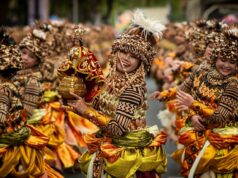
- Cultural Festivals: Organizing events that celebrate Maghrebi culture helps foster pride in our heritage and encourages others to learn more about it. These festivals can include music concerts, art exhibitions, and culinary demonstrations.
- Research and Education: Encouraging research on Maghrebi history and heritage not only promotes a deeper understanding of our past but also ensures that future generations are aware of and proud of their roots.
Empowering Women: A Key to Success
Women play a crucial role in both preserving cultural identity and facilitating integration. By empowering women through education, employment, and leadership opportunities, we can foster positive change in our communities.
- Education: Ensuring equal access to quality education for girls is essential for their personal growth and the development of our societies. Governments, NGOs, and community organizations should work together to provide resources and support for girls’ education.
- Employment: Women face particular challenges in finding employment, often due to societal norms and gender discrimination. Governments and employers can help address this by implementing policies that promote equal opportunities and fair wages for all.
- Leadership: Encouraging women’s leadership is vital for driving positive change within our communities. By providing mentorship, training, and support, we can empower the next generation of female leaders who will continue to shape our cultures and societies for the better.
Call to Action: United in Diversity
As members of the Maghrebi diaspora, it’s essential that we embrace the rich diversity of our region and work together to preserve our cultures while fostering understanding and collaboration with Sub-Saharan migrants. By supporting each other, we can create a brighter future for all.
You might also enjoy
Related Articles
- Exploring Collaboration Opportunities for Sub-Saharan Migration between North Africa and Europe: A Call to Action for Maghrebi Diaspora
- Exploring the Cultural Identity of Maghrebi Diaspora in France – Analysis
- Exploring Modern Muslim Fashion in Europe and Its Impact on Western Culture: A Perspective for the Maghrebi Diaspora
- Algeria’s Leading Role in International Cultural Events: A Source of Pride for the Maghrebi Diaspora
- Exploring Visual Art & Cultural Production in the Middle East and North Africa: A Journey through Time for the Maghrebi Diaspora