Meliá Hotels’ Expansion in Tunisia: A New Era for Mediterranean Tourism
As we continue to navigate the ever-changing landscape of global travel, few developments have sparked as much excitement as Meliá Hotels’ recent expansion into Tunisia. For our community of Maghrebi diaspora, this news is particularly significant – a chance to reconnect with our roots and support the growth of a nation that has always held a special place in our hearts.
Meliá Hotels International, a Spanish multinational hotel company, has been making waves in the hospitality industry for decades. And with their latest move, they’re poised to make an even bigger splash in Tunisia – a country that’s long been a hidden gem of Mediterranean tourism.
1. The Meliá Expansion: A Look at the Numbers
The plan is to invest €40 million over the next three years in building six new hotels across Tunisia, with an aim to double their existing portfolio. This expansion is expected to create around 1,500 jobs and attract over half a million tourists annually – a significant boost for both the local economy and Tunisia’s tourism sector as a whole.
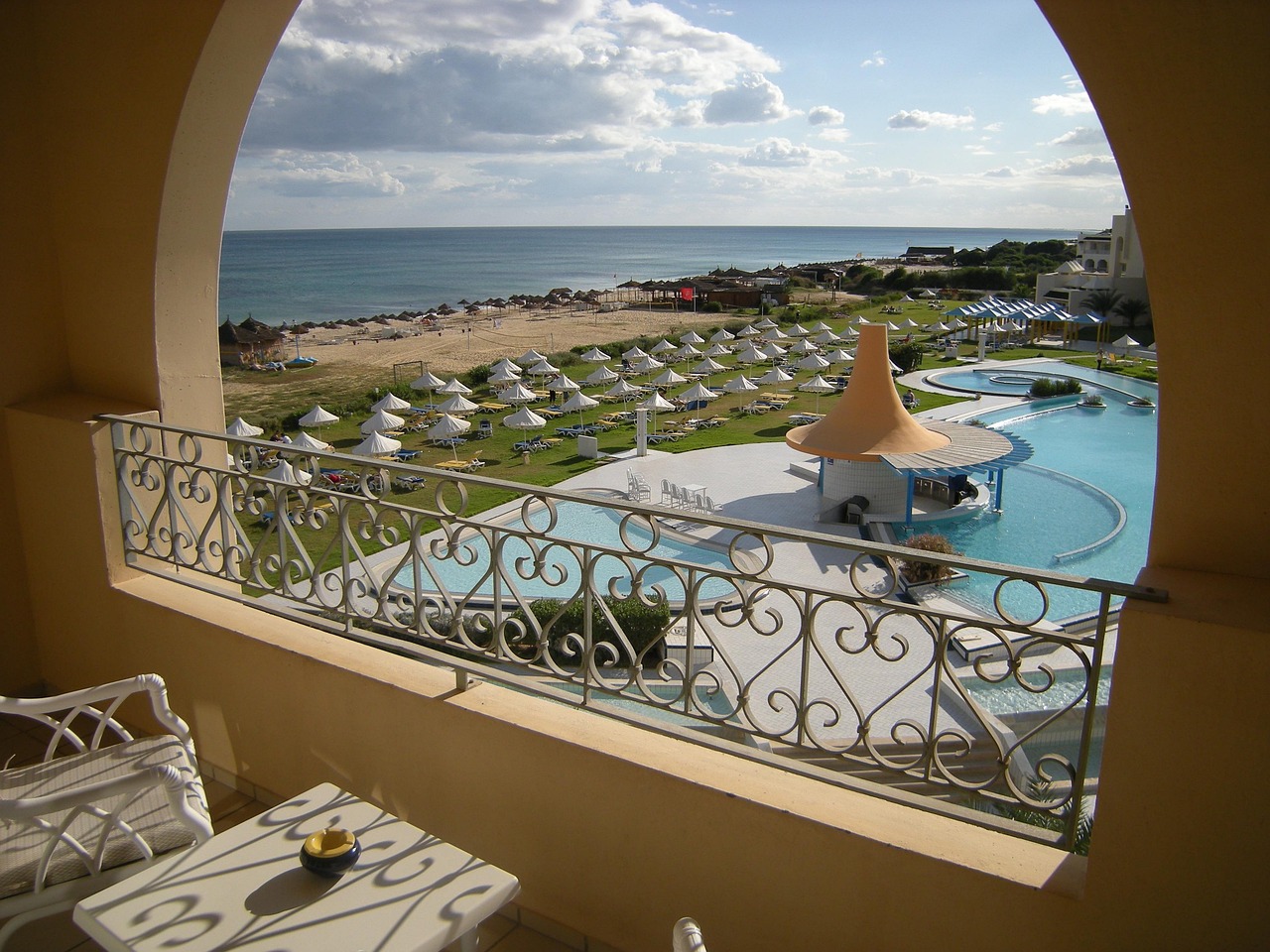
These new hotels will be strategically located in key tourist destinations such as Hammamet, Sousse, Mahdia, Monastir, and Tabarka. Each hotel promises to offer world-class amenities and services, positioning Tunisia as a prime destination for luxury travelers looking to experience the best of what the Mediterranean has to offer.
This expansion is more than just a numbers game – it’s a testament to Meliá’s confidence in Tunisia’s potential as a tourism powerhouse. With over 130 hotels in 45 countries, their move highlights Tunisia’s increasing appeal as a destination for international travelers seeking unique cultural experiences and breathtaking natural beauty.
2. The Impact on Local Economy
The expansion of Meliá Hotels is expected to have a profound impact on the local economy, particularly in the tourism sector. The new hotels will generate revenue through direct and indirect employment opportunities, as well as through the purchase of goods and services from local suppliers.
Moreover, the influx of tourists will lead to increased spending in various sectors such as retail, food and beverage, and transportation. This economic stimulus is expected to have a ripple effect, benefiting not just the tourism industry but also other sectors intertwined with it – think local artisans, small business owners, and community development initiatives.
Furthermore, the expansion will promote infrastructure development in tourist areas, improving facilities and services for both locals and tourists alike. This investment can potentially lead to improved living conditions and increased economic stability for Tunisian residents, setting the stage for a brighter future.
3. Enhancing Tunisia’s Tourism Profile
The Meliá expansion will undoubtedly elevate Tunisia’s position as a premier tourism destination in the Mediterranean region. The presence of an internationally recognized brand like Meliá is likely to attract more high-end tourists seeking luxury experiences – think spa retreats, gourmet dining, and exclusive cultural events.
Moreover, the expansion can serve as a catalyst for further investments in Tunisia’s tourism infrastructure. As more international hotel chains see potential in Tunisia, they may follow suit, leading to a continuous cycle of development and growth that benefits both locals and tourists alike.
Furthermore, the expansion could encourage collaboration between the Tunisian government, local businesses, and international partners to promote Tunisia as a desirable tourist destination. This collective effort can help overcome existing challenges such as seasonality and security concerns, ultimately driving growth and prosperity for all stakeholders involved.
4. An Opportunity for Sustainable Tourism
The Meliá expansion provides an opportunity for Tunisia to embrace sustainable tourism practices – a crucial step in ensuring the long-term viability of its tourism industry. By incorporating environmentally friendly initiatives in the new hotels, Meliá can set a precedent for other hospitality companies operating in Tunisia.
Moreover, the company’s commitment to corporate social responsibility can help create positive impacts on local communities. This could involve training programs, community development projects, or initiatives aimed at preserving Tunisia’s rich cultural heritage – think historic preservation, traditional craftsmanship, and cultural festivals.
Lastly, sustainable tourism can contribute to the long-term viability of Tunisia’s tourism industry by ensuring that it remains attractive and competitive while minimizing negative environmental and social impacts. This is a win-win for both tourists and locals alike – a chance to experience the beauty of Tunisia while also supporting local communities and preserving the nation’s unique cultural identity.
5. A Call to Action for the Maghrebi Diaspora
As members of the Maghrebi diaspora, we have a unique opportunity to support Tunisia’s tourism industry as it undergoes this transformation – an chance to reconnect with our roots and make a positive impact on the nation that has always held a special place in our hearts.
- Consider visiting Tunisia and experiencing its rich culture and hospitality firsthand. There’s no better way to support the nation than by immersing yourself in its beauty, history, and people.
- Share your experiences with family, friends, and online communities to promote Tunisia as a tourist destination – think social media posts, travel blogs, and word-of-mouth recommendations.
- Invest in local businesses and initiatives that contribute to sustainable tourism and community development in Tunisia. Your support can make all the difference in driving growth and prosperity for this beautiful nation.
By doing so, we can play an active role in shaping the future of Mediterranean tourism and supporting our homeland’s growth and prosperity. Let’s come together to celebrate Tunisia’s rich cultural heritage and help drive its tourism industry forward – a chance to reconnect with our roots and make a positive impact on the world around us.
You might also enjoy
Related Articles
- A Comprehensive Travel Advisory for Safe and Enjoyable Trips within the MENA Region: A Guide for Maghrebi Diaspora
- Exploring the Strategic Importance of the Mediterranean, North Africa, and the Sahel: A Call to Action for the Maghrebi Diaspora
- Traveling Safely and Enjoyably Within the MENA Region: A Comprehensive Guide for Maghrebi Diaspora
- Travel Advisory for the MENA Region: A Comprehensive Guide for the Maghreb Diaspora
- Unveiling the Impact of Informal Employment on Morocco’s Textile Industry: A Call to Action for the Maghrebi Diaspora